By Peter Nyanje
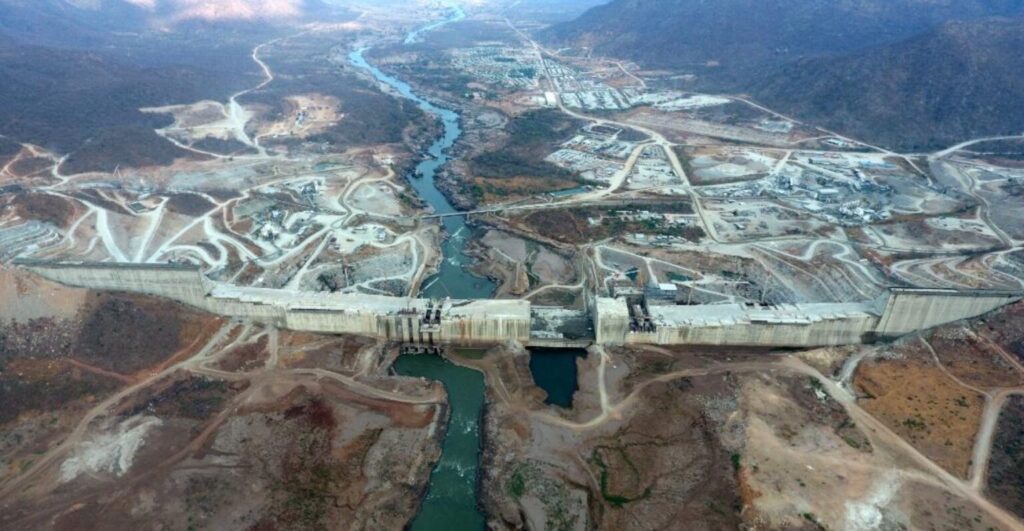
Ethiopia’s inauguration of the Grand Ethiopian Renaissance Dam (GERD) has ignited fresh debate on the future of energy security in East Africa.
Producing 5,150 megawatts of clean electricity, GERD is not only Africa’s largest hydroelectric plant but also a potential catalyst for regional power trade.
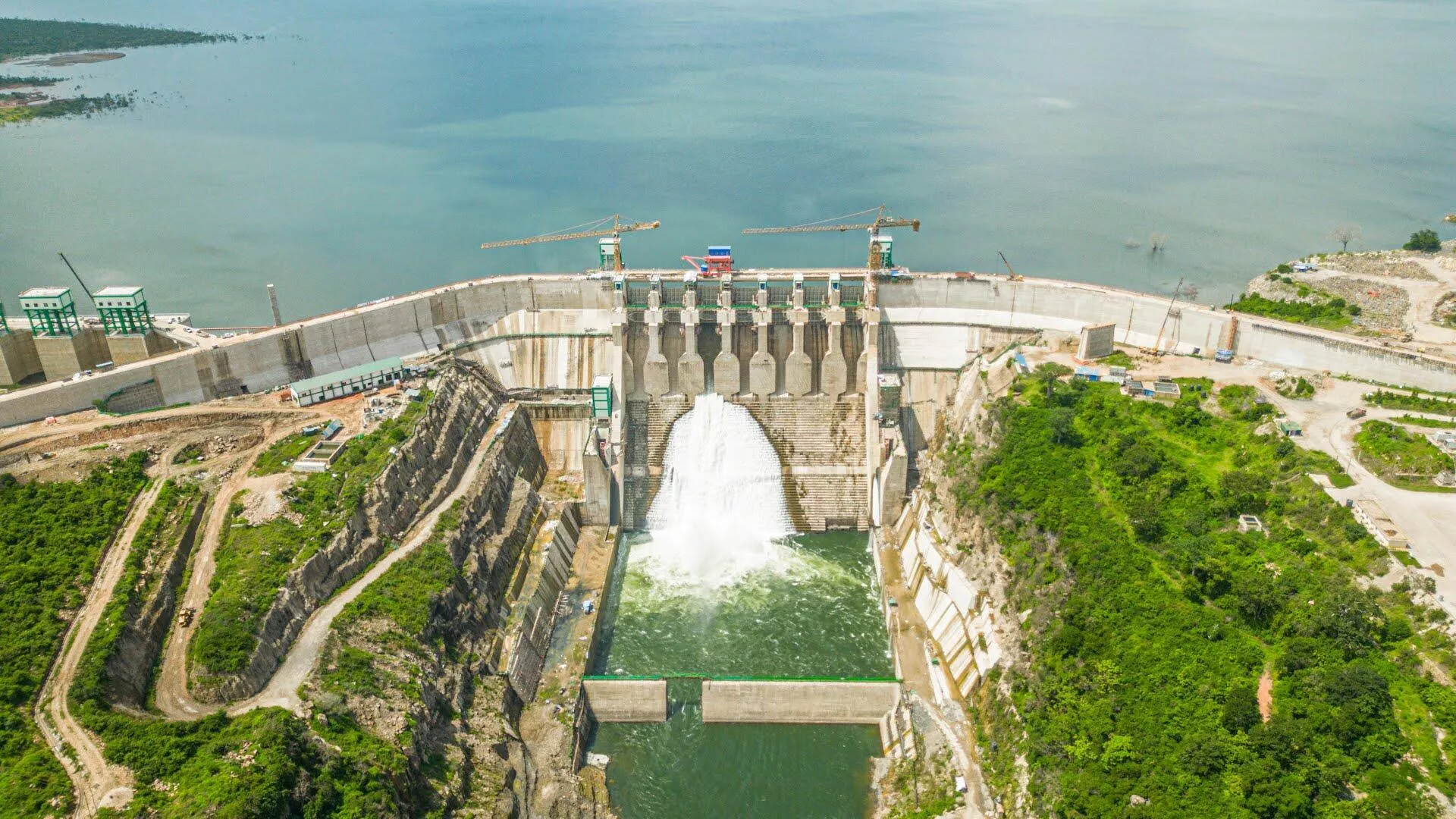
For Tanzania, its timing coincides with the country’s own energy revolution – the Julius Nyerere Hydropower Project (JNHPP) on the Rufiji River.
The US$5 billion Ethiopian dam and Tanzania’s US$2.9 billion Nyerere project together signal a historic shift: East Africa is fast emerging as a continental hub for hydropower generation. Once both are fully operational, the combined output could surpass 7,000 megawatts, with Tanzania and Ethiopia positioned as net exporters of electricity.
Complementary, not competitive
While some observers view GERD and JNHPP as rivals for regional energy markets, Tanzanian energy analysts argue the two projects are more complementary than competitive.
“Both dams will stabilise supply within East Africa,” said a senior official at the Tanzania Electric Supply Company (Tanesco). “GERD offers the chance for Tanzania to import surplus power during peak shortages or drought seasons, while the Nyerere project strengthens domestic resilience. Together, they reduce dependence on expensive fossil fuels.”
Indeed, one of the vulnerabilities of large hydropower projects is seasonal fluctuation. Tanzania’s JNHPP, with a capacity of 2,115MW, is designed to meet domestic demand, but climate variability could affect its output.
Ethiopia’s GERD provides a regional safety net, offering Tanzania the ability to purchase supplementary electricity via the East African Power Pool when required.
Unlocking industrialisation
The potential business impact is profound. Tanzania’s manufacturing sector has long struggled with high power costs and intermittent supply.
If JNHPP brings prices down while GERD supplements supply, industries such as steel, cement, mining, and agro-processing could scale up production significantly.
“Energy stability is the final puzzle piece for Tanzania’s industrialisation agenda,” noted a Dar es Salaam–based economist. “With Nyerere at home and GERD as a regional buffer, Tanzania can attract long-term investors in energy-intensive sectors.”
The Dira 2025 (Tanzania’s Development Vision) prioritises energy security as a pillar of industrial growth. JNHPP is central to this strategy, but GERD’s surplus opens another door: reliable imports at competitive rates.
For investors, this reduces risk and strengthens Tanzania’s appeal as an industrial hub.
Regional power trade, geopolitical leverage
Tanzania also stands to benefit as a potential transmission corridor.
With ongoing efforts to link East and Southern Africa’s power pools, Tanzania’s grid could facilitate the transfer of Ethiopian electricity to Zambia, Malawi, and beyond – creating transit revenue streams.
At the same time, the partnership gives Tanzania more geopolitical leverage in the region.
By diversifying sources, Tanzania reduces exposure to any single project’s risks while positioning itself as both a generator and distributor of regional power.
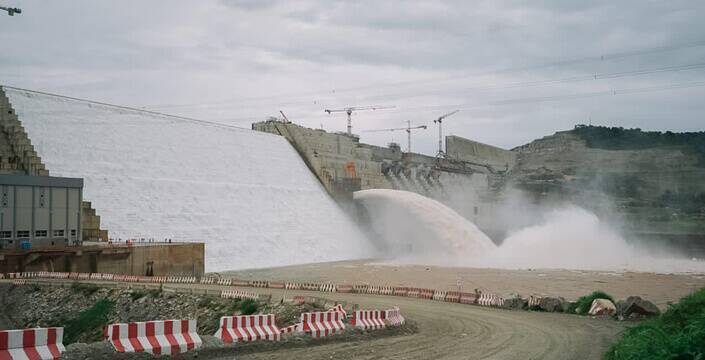
A new era for East African energy
Ethiopian Prime Minister, Abiy Ahmed, described GERD as “the biggest mega project in the history of the Black people.”
In Tanzania, President Samia Suluhu Hassan has said the Nyerere dam will be a “game-changer for the nation’s economy.”
Together, the two projects signal that Africa is entering an era of self-financed, self-driven energy solutions.
For Tanzanian businesses, the impact will be felt in lower tariffs, steadier supply, and expanded opportunities for investment. For ordinary citizens, it could mean more reliable electricity in homes, schools, and hospitals. As the turbines roar to life in both Rufiji and the Blue Nile, East Africa is charting a future where energy scarcity gives way to abundance – and Tanzania is set to be at the centre of this transformation.