
By Business Insider Reporter
Kenya and Uganda have joined forces to market East Africa as a single premier tourism destination, unveiling the regional brand “Visit East Africa: Feel the Vibe.”
The partnership, anchored in simplified travel logistics and joint marketing, could reshape the way the world experiences the region.
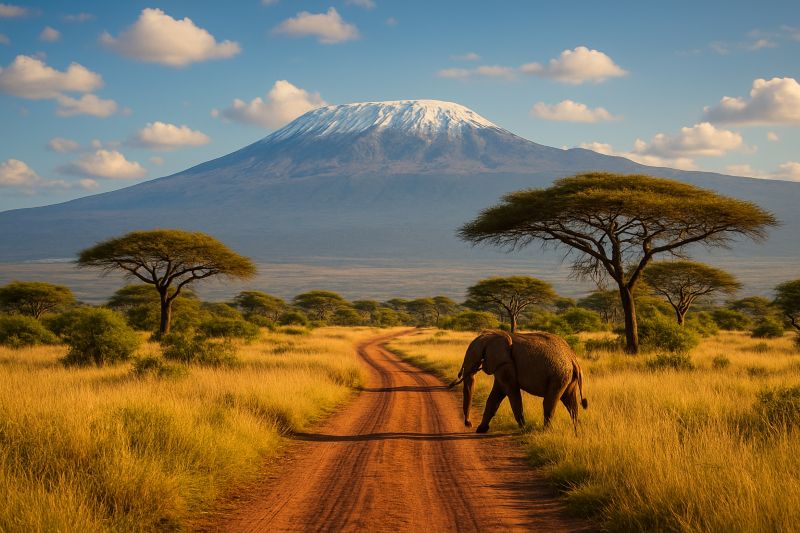
For Tanzania, a country already blessed with the Serengeti, Mount Kilimanjaro, Zanzibar’s pristine beaches, and a rich cultural heritage, the initiative offers both opportunities and challenges.
Tanzania missed a seat at the table?
While Kenya and Uganda have taken the lead, Tanzania has so far remained on the sidelines of this bilateral campaign. Analysts warn that without active participation, Tanzania risks ceding ground in a competitive global tourism market where packaging destinations as a single circuit is becoming the norm.
“If tourists can move seamlessly between Kenya and Uganda, but still face hurdles entering Tanzania, we may lose out on cross-border traffic,” says a tourism economist based in Arusha. “The Serengeti and Maasai Mara share an ecosystem – yet they are marketed separately. A joint platform would multiply, not divide, the benefits.”
How Tanzania could benefit
Leverage regional branding:
By aligning with the Visit East Africa campaign, Tanzania could market itself alongside its neighbours at global expos such as ITB Berlin and WTM London, reducing costs while amplifying visibility.
Single tourist visa advantage:
Kenya and Uganda are pushing for a single tourist visa system.
If Tanzania joined, visitors could enjoy safaris in Serengeti, gorilla trekking in Uganda, and beach holidays in Mombasa – all under one entry permit.
That convenience is a powerful draw for high-value international travelers.
Boost to Zanzibar’s niche market:
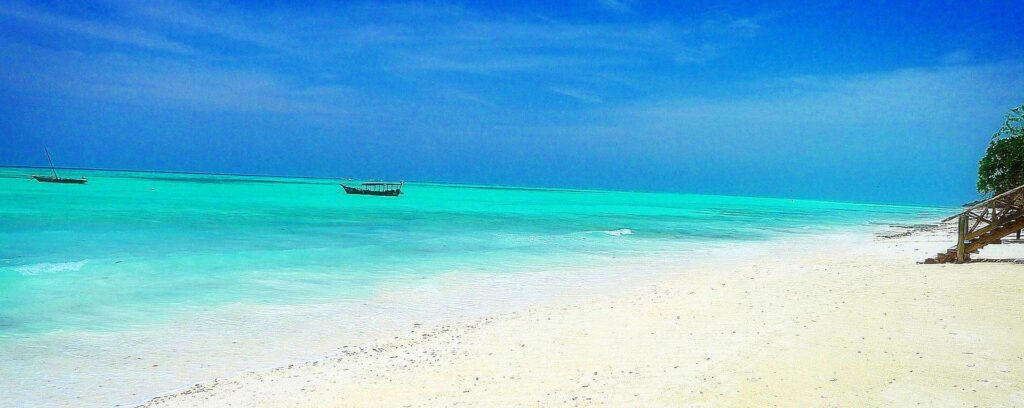
With simplified regional travel, Tanzania could position Zanzibar as the natural “final stop” for tourists completing regional safaris – combining wildlife, culture, and relaxation.
Cross-border circuits:
Joint packages combining Serengeti–Maasai Mara, Kilimanjaro–Rwenzori climbs, and Swahili Coast beach trails could create new tourism products attractive to tour operators.
Private sector integration:
Tanzania’s tour operators, hotels and airlines could tap into larger regional networks, increasing occupancy rates and lengthening average stays.
According to the Hotel Association of Tanzania, extending the average tourist stay by even two days could generate an additional US$ 500 million annually.

What needs to change
For Tanzania to fully benefit, industry experts highlight three critical areas of visa and border reforms; aggressive Marketing and a Regional Vision.
“This is more than marketing; it’s economic diplomacy,” says Elias Njoroge, a Nairobi-based tourism consultant. “The first countries to align will reap the biggest share of the pie. Tanzania has everything to gain if it moves fast.” For Tanzania, the Kenya–Uganda partnership is not a threat but a wake-up call. By embracing joint branding, harmonised visas, and integrated circuits, the country could capture a larger slice of East Africa’s tourism revenues, while safeguarding its own iconic destinations.