By Business Insider Correspondent, Arusha
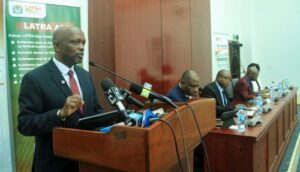
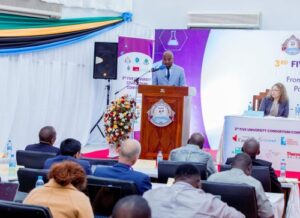
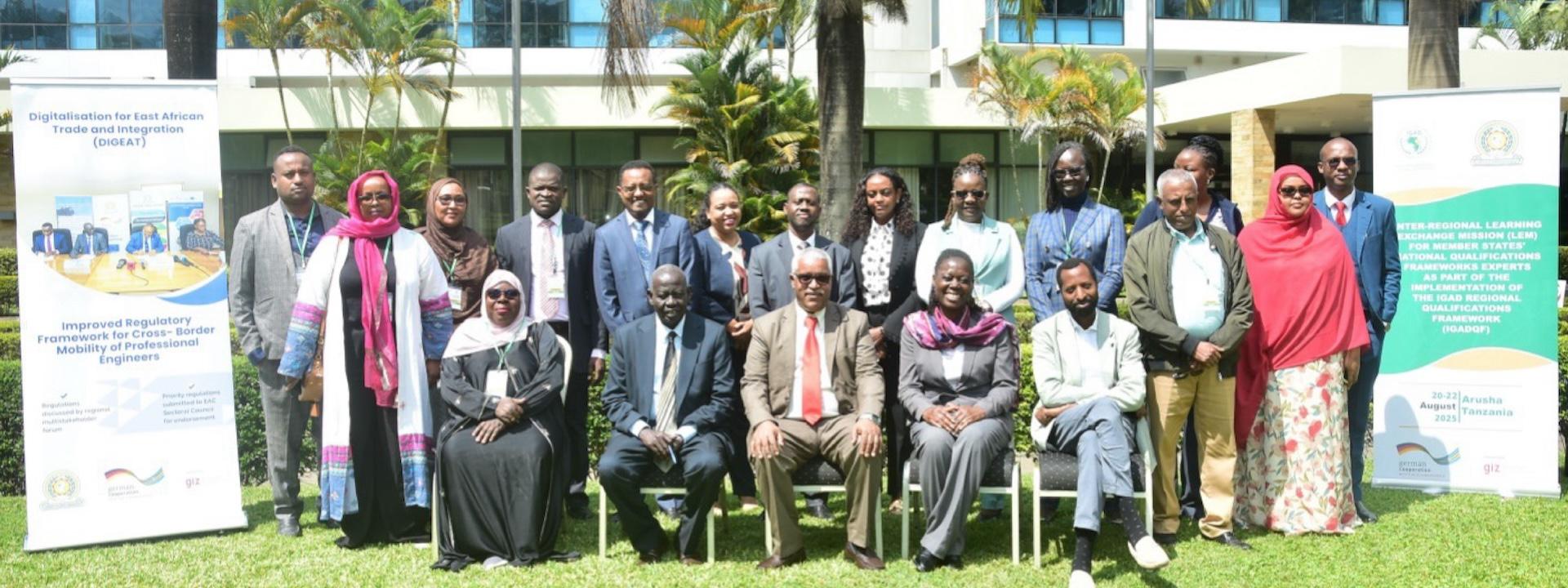
A new wave of business opportunities is set to open up in East Africa and the Horn following the launch of an Inter-Regional Learning Exchange Mission (LEM) in Arusha, jointly convened by the Intergovernmental Authority on Development (IGAD) and the East African Community (EAC).
The three-day mission (20–22 August) brought together qualifications and skills experts from IGAD and EAC Member States to align regional qualifications frameworks and improve the recognition of skills across borders.
At its core, the initiative seeks to remove barriers that have long held back cross-border business, trade, and investment. By harmonising education systems, creating digital platforms for qualifications, and advancing mutual recognition agreements (MRAs), skilled workers will be able to move more freely – unlocking productivity for companies and opening wider labour markets for professionals.
Linking skills to business growth
“This is not only about qualifications frameworks,” said Dr. Kebede Kassa Tsegaye, Senior Coordinator at IGAD. “We are connecting education, technology, and skills directly to the livelihoods of our people. The youth must not just be job seekers, but solution creators.”
For businesses, this means fewer delays and costs in recruiting across borders.
A Tanzanian engineering firm, for example, will be able to hire a qualified technician from Kenya or Ethiopia with confidence that their credentials meet regional standards. Likewise, ICT companies in Nairobi can tap skilled developers from Djibouti or Uganda without bureaucratic bottlenecks.
The initiative also aims to integrate green skills and digital literacy, preparing the workforce for emerging industries such as renewable energy, e-commerce, and regional logistics.
A boost for regional integration
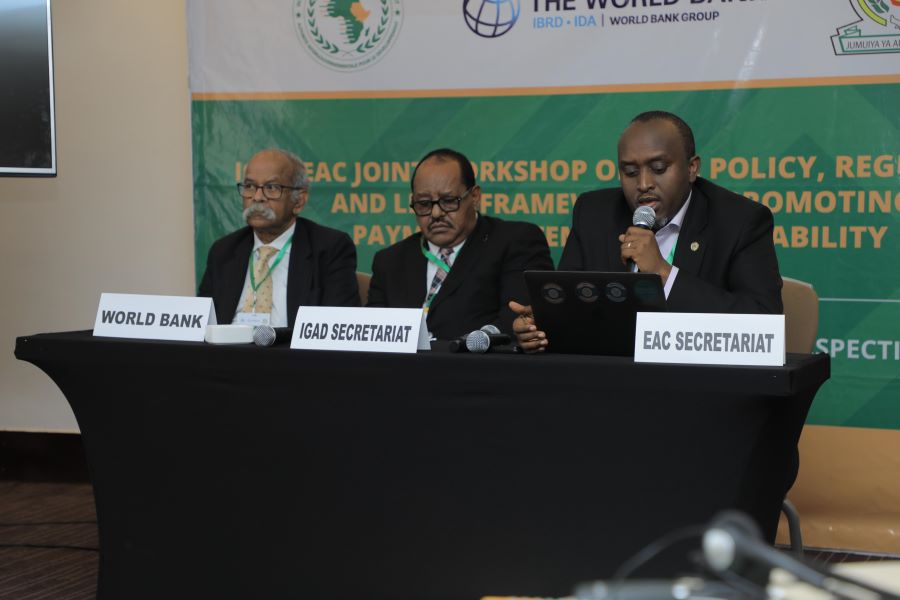
Dr. Dorcas Omukhulu, Acting Director of the Social Sector at EAC, stressed that the framework will accelerate the implementation of the EAC Common Market Protocol and the IGAD Free Movement Protocol. Both aim to create a seamless regional labour market.
“We are laying the foundation for a business environment where professionals, investors, and entrepreneurs can move freely, bringing their skills and capital to where they are most needed,” she said.
For the private sector, this means smoother expansion into neighbouring markets, reduced duplication in training costs, and more reliable professional standards.
The mission also emphasised the role of digital platforms and national registers to streamline verification. These systems will allow employers to quickly check qualifications online, cutting red tape and minimising fraud—an area that has cost businesses millions in lost productivity.
Mr. Ephraim Percy Kenyanito, Economic Policy Advisor with GIZ, said that open dialogue and collaborative action will “build a more integrated and prosperous East Africa and Horn of Africa,” enabling the private sector to operate with greater confidence across borders.
Building towards a skilled regional economy
Over the past three years, IGAD, with support from UNESCO, GIZ, and ECW, has developed the IGAD Qualifications Framework (IGADQF), endorsed by IGAD Ministers of Education in 2024. The Arusha mission is the next step: putting strategies into practice and aligning them with EAC’s existing frameworks.
Business beyond borders
For regional businesses, the recognition of skills is more than an educational exercise – it’s a competitive advantage.
By unlocking a mobile, skilled, and certified workforce, East Africa is positioning itself as an attractive hub for trade and investment. As Dr. Kebede noted, “Our challenges are similar, our aspirations are shared, and our destinies are intertwined.” For entrepreneurs and investors, this means one thing: the region is getting closer to operating as a single, dynamic market.