
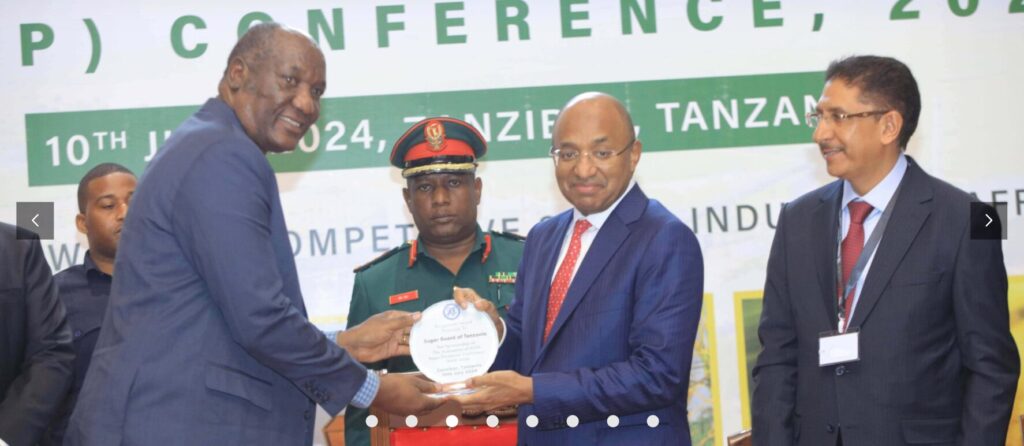
The Director General of Sugar Board of Tanzania (SBT), Professor Kenneth Bengesi says, there is number untold story from the SBT, and revealed the key insight into how the industry operates.
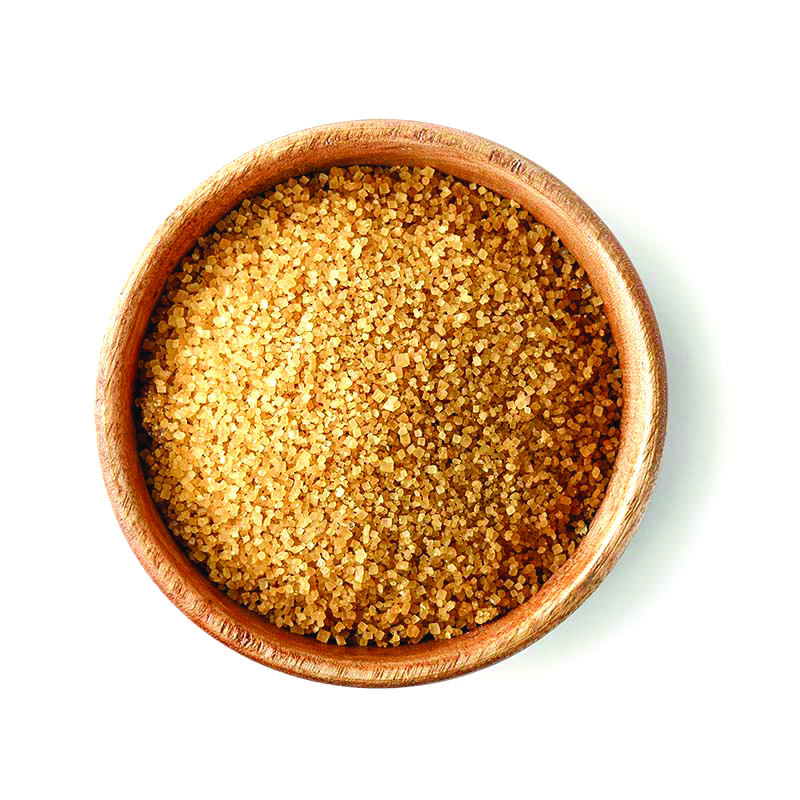
Speaking on the topic of sugar imports, Professor Bengesi said that, there are two main types of sugar, industrial sugar (white), which is used as a raw material in manufacturing, and domestic consumption sugar (brown), intended for everyday household use.
Professor Bengesi clarified that the procedures for importing industrial sugar are different from those for importing domestic consumption sugar.
“For industrial sugar, users of industrial sugar must first register. This is followed by a production assessment to determine actual needs, after which applications for import permits are submitted,” he explained.
He further detailed that a team of technical experts visits various factories in regions such as Dar es Salaam, Mbeya, Kilimanjaro, and others. Their task is to verify whether the reported need matches the factory’s production capacity.
“For instance, if 30 tonnes are needed, this must be substantiated. Users of industrial sugar are then eligible for a 90% tax exemption,” said Professor Bengesi.
The team of experts also ensures that the quantity of imported sugar matches the amount allocated. The Tanzania Revenue Authority (TRA) verifies the taxes paid, while the Sugar Board conducts checks and balances. Additionally, the Tanzania Bureau of Standards (TBS) confirms the quality standards.
According to Professor Bengesi, the Sugar Board had already issued a public notice in April this year inviting applications for industrial sugar import permits.
The application window closed on 16th May 2025.
As for domestic sugar imports, he stated that the responsibility now lies with the National Food Reserve Agency (NFRA), under new legal provisions. “Currently, Sugar Producers are no longer involved in the importation of domestic consumption sugar. The law now mandates NFRA to import gap sugar for domestic consumption and as a buffer stock to be supplied the critical shortages,” he said.
“In 2024, there was a public outcry when the country was hit by El-Nino which affected sugar production that subsequently reduced supply in the market and hiked the price.
In mitigating the situation, the government allowed importation of domestic sugar to bridge the production gap. The government decision to import, improved the supply and reduced the prices that had reached the highest record of TSh 10,000 per Kilogram in some parts of the country to a tune of between TSh 2,500 and 3,000 a Kilogram.
On the other hand, SBT conducted joint patrols with TRA, during which we seized 50 tonnes of illegally imported sugar in Kariakoo. Thanks to these joint efforts, the situation has since improved,” he added.
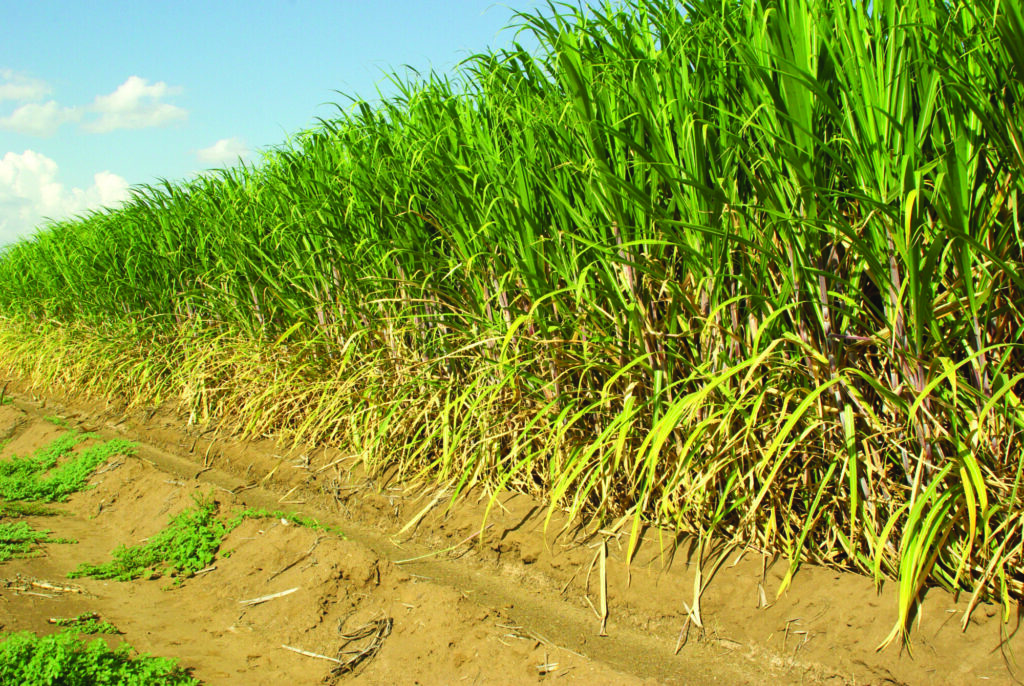
Looking to the future, Professor Bengesi is optimistic about domestic production. “Sugar production in the country is approaching self-sufficiency, with more factories coming online. We’re now projected to reach 650,000 tonnes, against a national demand of 552,000 tonnes,” he noted.
“With this surplus, producers should focus on opening up export markets particularly in neighboring countries like Kenya and South Sudan where we could export an average of 40,000 tonnes,” he concluded.