• Tanzania sets new standard in East and Central African rail infrastructure
• TSh66.8 billion collected as demand surges; cargo services now operational

Director General Eng. Machibya Masanja
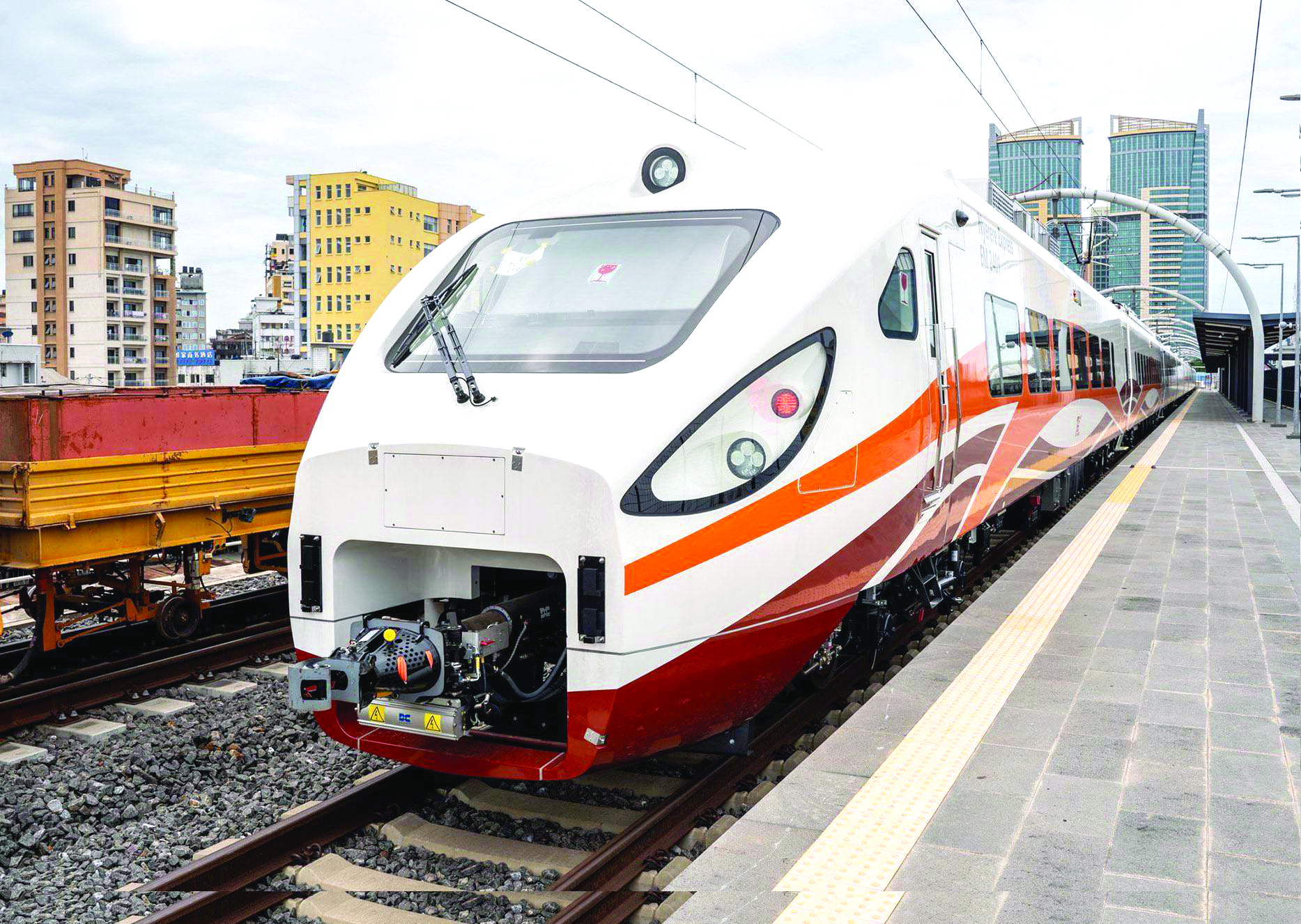
The country has just marked the first anniversary of the game-changing electric Standard Gauge Railway (SGR), a flagship infrastructure project that is reshaping the national and regional transport landscape.
Launched in June 2024 by the Tanzania Railways Corporation (TRC), the high-speed, fully electric railway is the first of its kind in East and Central Africa operated independently by a national government.
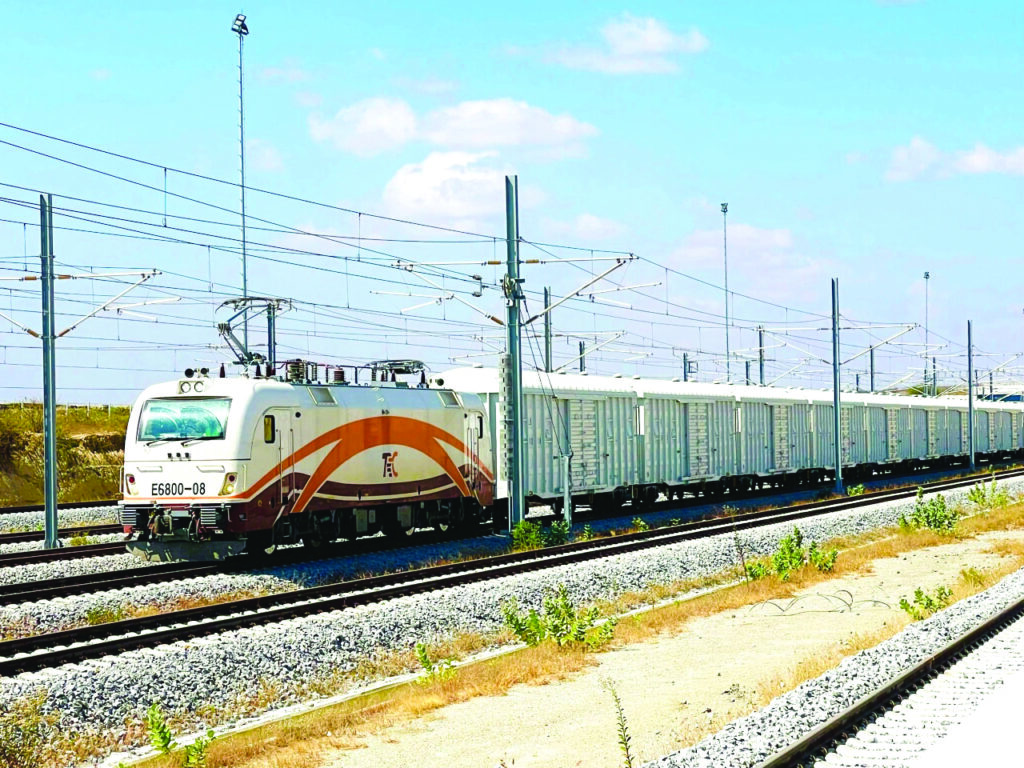
Over the past 12 months, the SGR has carried more than 2.5 million passengers, with cargo services officially commencing on June 27, 2025, starting with a train hauling 700 tonnes of freight from Kwala Dry Port in Coast region to Dodoma.
This milestone underscores the sixth phase government’s ambition, led by President Dr. Samia Suluhu Hassan, to modernise transport infrastructure and stimulate inclusive national development.
New man at then helm
The transformation is being steered by newly appointed TRC Director General, Eng. Machibya Shiwa Masanja, who took over from Eng. Masanja Kadogosa, the long-serving former chief now eyeing a career in politics.
Before his appointment, Eng. Machibya served as TRC’s Deputy Director General for Infrastructure, playing a critical role in the planning, construction and maintenance of the SGR.
With a background in civil engineering from the University of Dar es Salaam and a decade of hands-on experience including ballast monitoring and rail integrity, Eng. Machibya is widely regarded as one of the country’s most technically proficient railway engineers.
“He is meticulous, focused, and listens to technical advice. TRC is in capable hands,” said one senior TRC official.
Economic impact and public reception
Figures from TRC show the project generated TSh66.8 billion in revenue by April 2025 from services between Dar es Salaam to Dodoma through Morogoro.
The passenger trains operate at speeds of up to 160 km/h, while cargo trains run at 120 km/h, making the SGR one of the fastest rail systems on the continent.
Rising demand has pushed TRC to increase daily trips to four between Dar es Salaam and Morogoro, and a similar schedule is in place for the Dar es Salaam–Dodoma route.
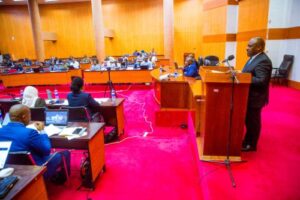
Speaking at the Public Service Week exhibition in Dodoma in June, Deputy Minister for Transport, David Kihenzile, praised TRC’s performance but encouraged improvements in digital services.
“TRC is doing a commendable job. However, the ticketing system needs to be more user-friendly, especially for travellers who want to reschedule or change travel class,” Kihenzile said.
Overcoming technical challenges
While there have been occasional technical issues, TRC has been applauded for its swift response and the professionalism of its young engineering teams.
“Let’s remember – Tanzania has never operated an electric railway before. Unlike neighbouring countries, we are doing this on our own,” a TRC engineer noted.
Progress update
Eng. Machibya recently appeared at the Dar es Salaam International Trade Fair (DITF) in Dar es Salaam, where he outlined the SGR’s current construction status:
Phase One (Dar es Salaam to Mwanza):
• Dar es Salaam – Morogoro ✔
• Morogoro – Makutupora (Singida) ✔
• Makutupora – Tabora (15% complete)
• Tabora – Isaka (6.87% complete)
• Isaka – Mwanza (63% complete)
Phase Two (Western Corridor):
• Tabora – Kigoma (7.88%)
• Uvinza – Musongati – Burundi (initial stages)
Full operations between Dar es Salaam and Mwanza are expected by 2027, with Tabora–Kigoma projected for 2028. TRC continues to monitor contractor performance to ensure that work is delivered according to schedule and contractual obligations.
Railway of the future
With its expansive reach and modern technology, the electric SGR is more than just a transport network – it’s a symbol of Tanzanian ambition, innovation, and regional leadership.
“Our vision is to turn the SGR into a backbone of national development,” said Eng. Machibya. “It’s about jobs, connectivity, and long-term economic transformation.”
As Tanzania celebrates one year of electric rail operations, the groundwork has clearly been laid for a transport revolution – one that could elevate the country’s logistical competitiveness and set a new benchmark across Africa.