By Business Insider Correspondent, Songwe
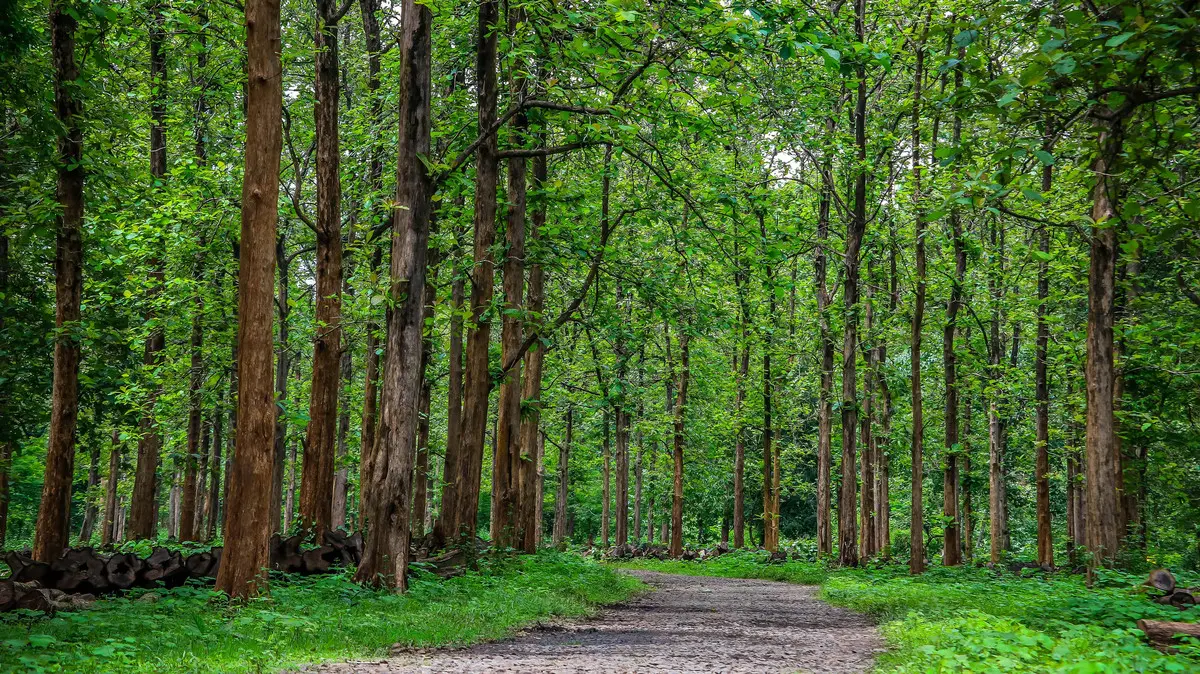
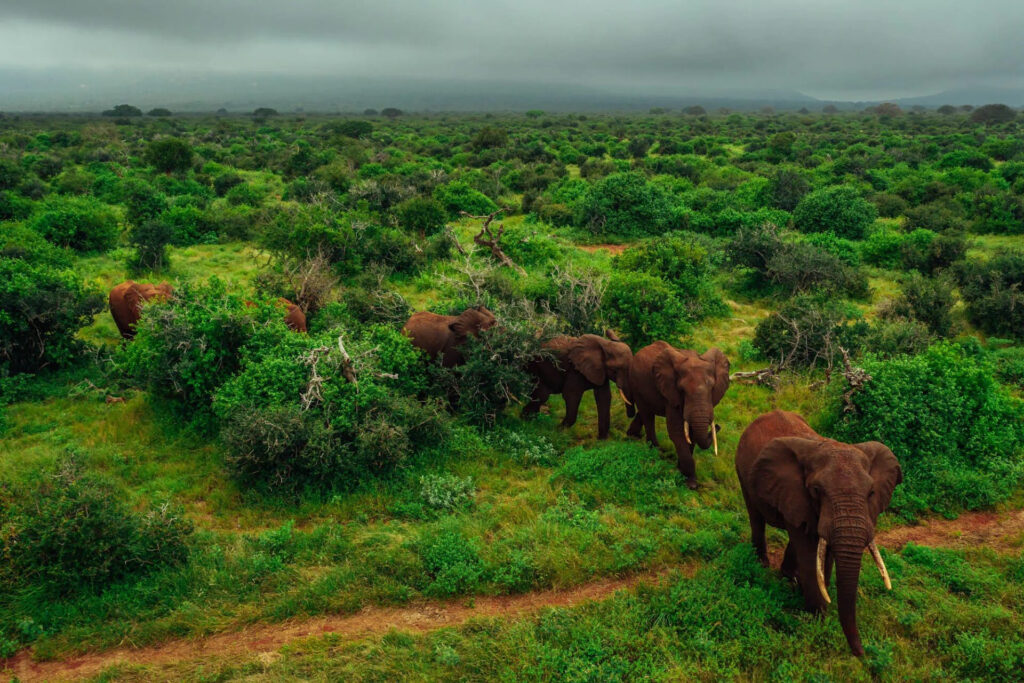
Every year, Tanzania loses nearly 400,000 hectares of forest to tree-cutting for firewood and charcoal, a crisis fueling desertification, worsening droughts, and intensifying the impacts of climate change.
Experts say the solution lies in a nationwide shift to clean cooking energy, which could simultaneously protect the environment, improve public health, and strengthen household economies.
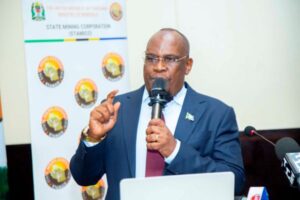
Geologist Nsajigwa Maclean from the Ministry of Energy issued this urgent call during a clean cooking awareness session with women entrepreneurs in Songwe Region on August 16.
He warned that the country’s heavy reliance on firewood and charcoal not only destroys forests but also puts millions of lives at risk from smoke-related illnesses.
“If we embrace clean cooking energy, we will save more than 400,000 hectares of forest that are destroyed every year. This will protect our environment, reduce deforestation, and secure a better climate for future generations,” Nsajigwa said.
Costly dependence on dirty fuels
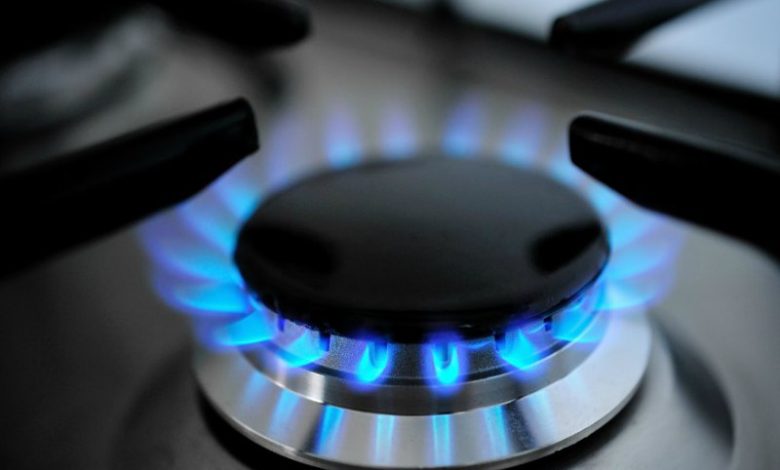
According to the 2022 Population and Housing Census, only 16 percent of Tanzanians use clean cooking solutions such as gas and electricity.
The rest depend on firewood and charcoal. This exposes millions of people – especially women and children – to household air pollution.
Health data paints a grim picture. Over 33,000 Tanzanians die annually from diseases linked to indoor smoke, such as lung cancer, chronic respiratory infections, and pregnancy complications.
Globally, the World Health Organization (WHO) estimates more than 3 million deaths every year are caused by dirty cooking fuels, with 960 million people in sub-Saharan Africa lacking access to clean alternatives.
Myths and misconceptions
Nsajigwa also addressed cultural barriers slowing the adoption of clean cooking.
“Some people believe food cooked with gas or electricity has no taste. This is a myth without scientific basis. What matters is how food is prepared, not the type of energy used,” he explained.
Such misconceptions, he said, prevent many households from switching despite the long-term health and environmental benefits.
To tackle this crisis, Tanzania has rolled out the National Clean Cooking Strategy, launched in 2024 following directives from President Samia Suluhu Hassan.
The plan sets an ambitious target: 80 percent of Tanzanians using clean cooking energy by 2034.
The strategy draws inspiration from global success stories. In India, the government’s Pradhan Mantri Ujjwala Yojana (PMUY) program has distributed millions of LPG connections to rural households.
In Ghana, strong public-private partnerships have driven widespread adoption of LPG cooking.
Tanzania hopes to replicate these models by combining awareness campaigns, policy incentives, and partnerships with entrepreneurs.
Women as change agents
Women and small business owners in Songwe were urged to act as ambassadors of change in their communities. By promoting clean cooking, they can protect families from disease while reducing pressure on forests and opening up new business opportunities in the supply of gas, stoves, and other alternatives.
Nsajigwa stressed that the government cannot do it alone.
“The biggest challenge is not that people reject clean cooking – it’s lack of awareness and access. That is why we call on all stakeholders – civil society, private companies, and development partners – to join hands with the Ministry of Energy in spreading this knowledge,” he said.
For Tanzania, scaling up clean cooking goes beyond health and forests. It ties into the nation’s commitments under the Paris Climate Agreement, efforts to reduce poverty, and strategies to empower women in the energy transition. If successful, the clean cooking push will mean healthier families, stronger ecosystems, and reduced carbon emissions – all while saving hundreds of thousands of hectares of forest each year.