By Business Insider Reporter
Uganda’s announcement that it will host its first-ever Rhino Naming Ceremony on 22 September 2025 at the Ziwa Rhino Sanctuary is not only a landmark moment for the country – it also holds important lessons for conservation across East Africa.
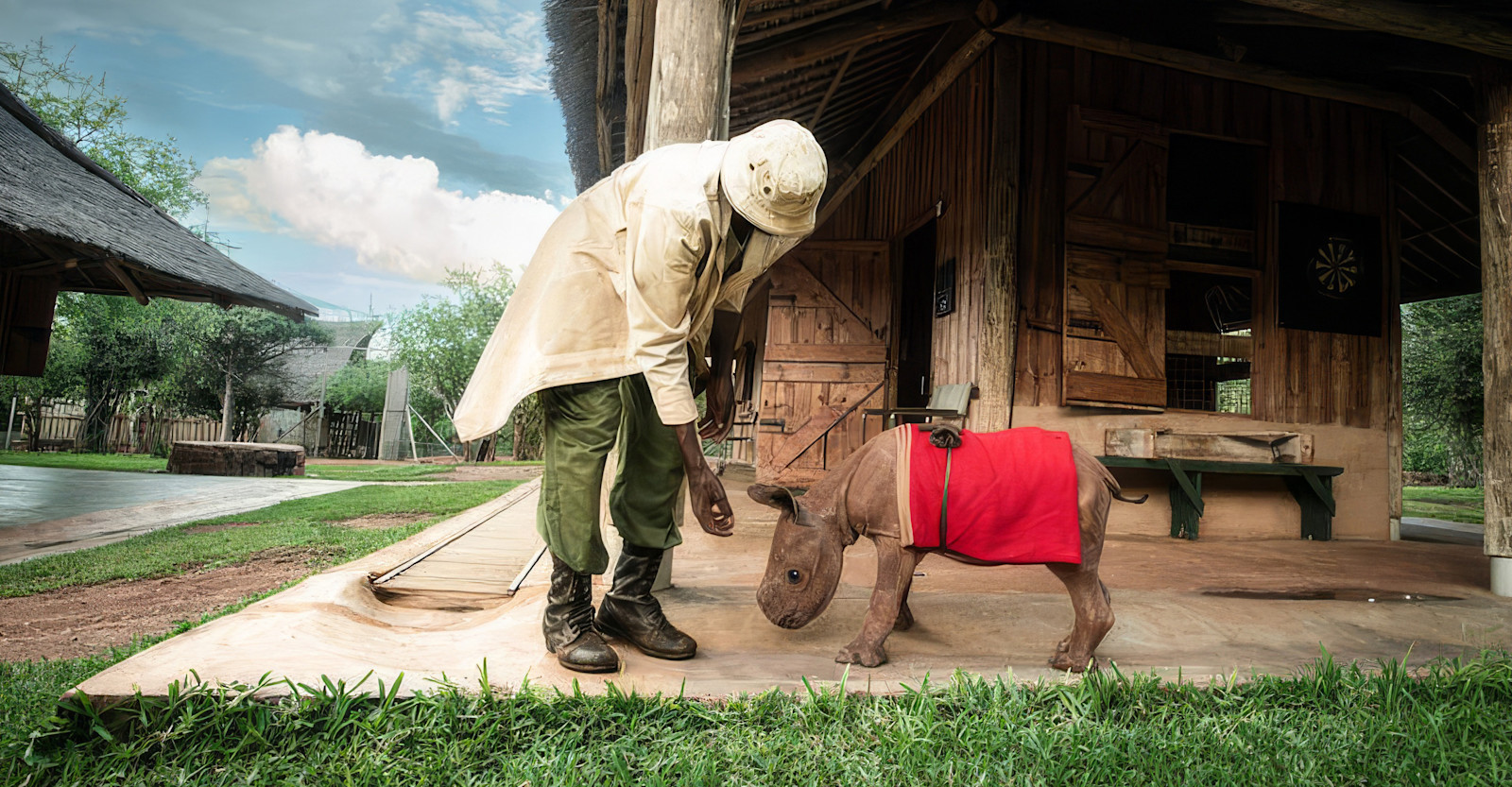
The ceremony, presided over by President Yoweri Kaguta Museveni, will celebrate the US$11 million “Name A Rhino” campaign, a five-year fundraising initiative aimed at expanding Uganda’s rhino population, restoring habitats, and strengthening community-led conservation.
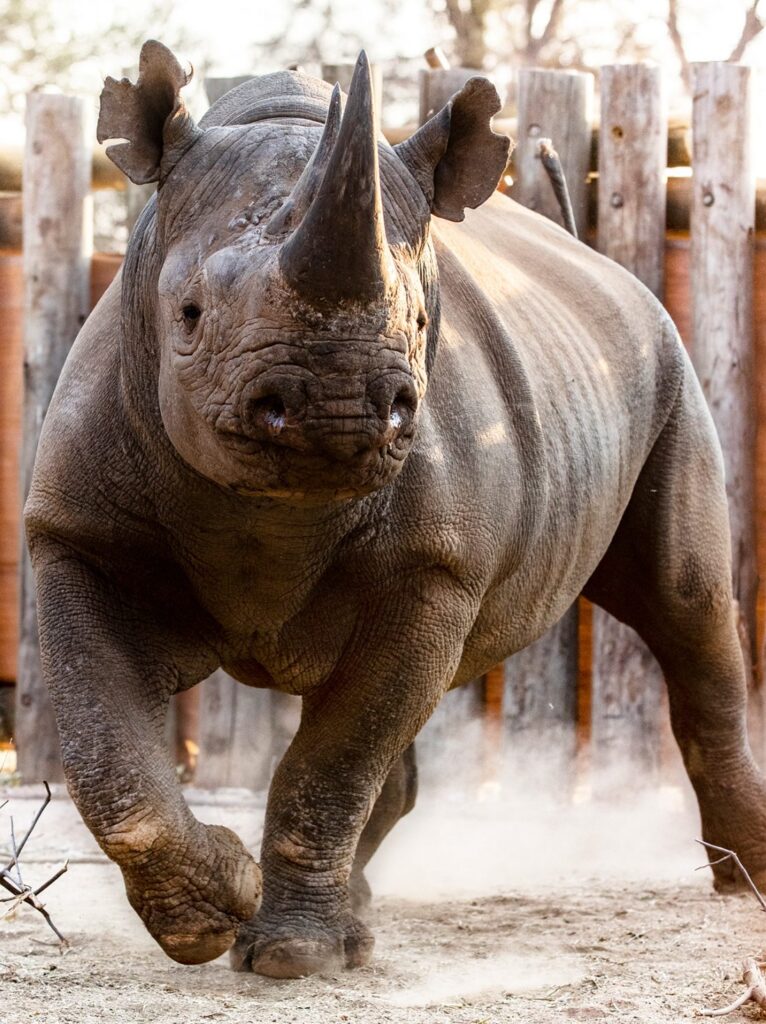
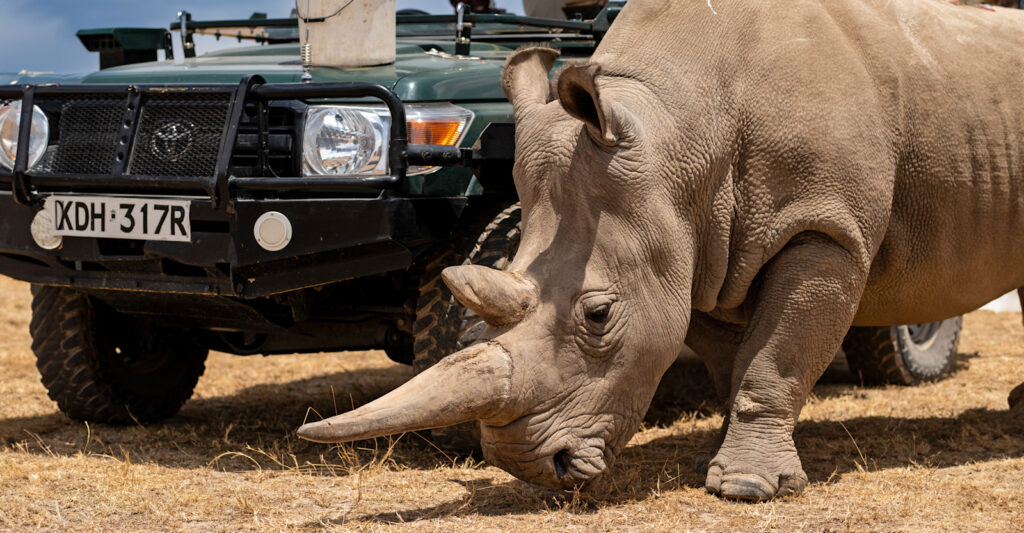
For Uganda, this is a triumphant comeback. Rhinos were declared extinct in the wild in the 1980s, but through careful breeding and protection, Ziwa Sanctuary now boasts 46 Southern White Rhinos.
“This will be a celebration of how far we have come, from extinction in the wild to now having 48 rhinos in Uganda,” said Dr. James Musinguzi, Executive Director of the Uganda Wildlife Authority (UWA).
Lessons for Tanzania, Kenya, and beyond
Uganda’s initiative comes at a time when East Africa’s wildlife economies are under pressure from poaching, climate stress, and human-wildlife conflict.
Conservation experts say the “Name a Rhino” model could be replicated across the region, especially in Tanzania, Kenya, and Rwanda, where wildlife is central to tourism revenues.
Kenya, for example, has successfully used public naming ceremonies for baby elephants and rhinos in Amboseli and Lewa Conservancies to raise both awareness and funds. Tanzania, home to Africa’s second-largest elephant population, could leverage similar symbolic events to rally public-private partnerships around threatened species such as elephants, wild dogs, and pangolins.
“Uganda is showing us that conservation is not just about protecting animals – it’s about building a national identity and linking wildlife to livelihoods,” noted a senior Tanzanian conservationist.
“Naming campaigns can unlock corporate sponsorships and philanthropy while ensuring local communities see tangible benefits.”
Linking conservation and community development
The Ugandan government stresses that the ceremony is not only symbolic but practical.
Funds raised will finance veterinary care, habitat expansion, anti-poaching patrols, and community programs around Ziwa and the Ajai Wildlife Reserve, where rhinos are being reintroduced this year.
Martin Mugarra Bahenduka, State Minister of Tourism in Uganda, underscored the socio-economic potential:
“Rhinos are not only part of our natural heritage, they are an asset that can drive tourism, jobs, and sustainable growth for our communities. When you name a rhino, you are not just giving it an identity – you are securing its future.”
This integrated approach – blending conservation with tourism development and community benefits – offers a roadmap for other East African countries seeking to balance biodiversity protection with economic growth.
A Regional call to action
Uganda’s goal of achieving a 5 percent annual rhino population growth rate is ambitious, but with broad-based support, it may be achievable.
The challenge is scaling such efforts across borders. Wildlife moves freely between East African countries, meaning cross-border collaboration is essential. Regional bodies like the East African Community (EAC) and the African Wildlife Foundation (AWF) could use Uganda’s naming ceremony as a springboard for a regional wildlife adoption platform, where individuals, corporates, and philanthropists symbolically “adopt” species ranging from elephants in Tanzania to gorillas in Rwanda.