
By Business Insider Reporter
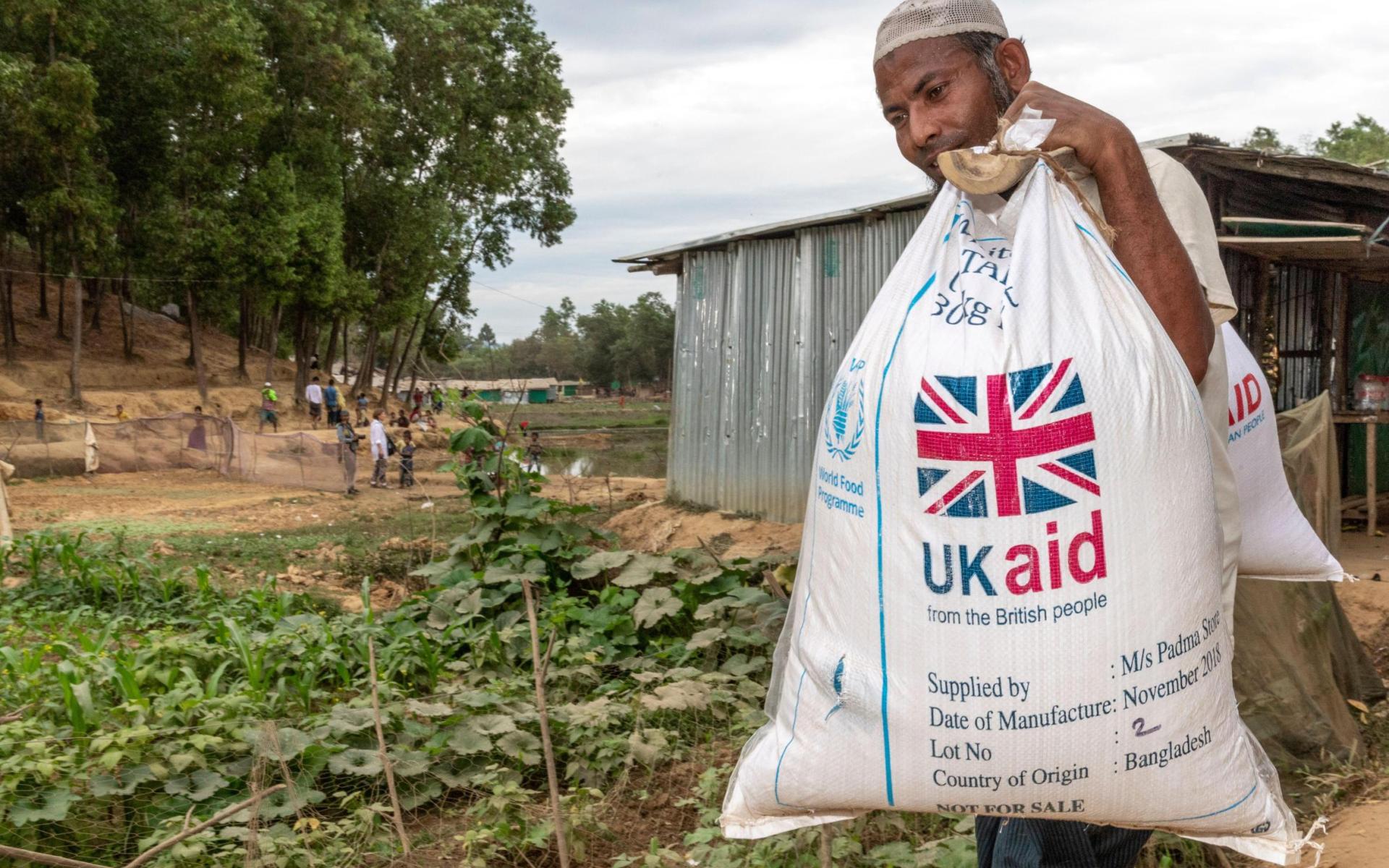
Tanzania, like many other African countries, is expected to bear the brunt of sweeping cuts to the United Kingdom’s foreign aid budget, following a major reallocation of UK spending priorities towards defence.
This comes in the wake by the US decision to close USAID activities. USAID was one of lifelines for many Africans in education, health and water sectors.
A new report by the UK’s Foreign, Commonwealth & Development Office (FCDO) reveals that Africa will experience the most significant reductions, with vital programmes in women’s health, clean water, and sanitation likely to be affected.
According to the FCDO’s internal impact assessment, these cuts increase the risk of preventable diseases and health emergencies across the continent.
While the report does not provide a country-specific breakdown, analysts say Tanzania – a long-standing partner in UK-funded development programmes – is poised to feel the impact sharply, particularly in rural health systems, WASH (Water, Sanitation and Hygiene) infrastructure, and community-based reproductive health services.
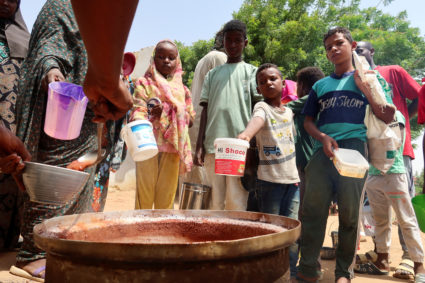
Critical sectors under threat in Tanzania
UK aid has historically supported a wide range of development initiatives in Tanzania, including maternal and child health programmes, HIV/AIDS and malaria prevention, school feeding schemes, and clean water projects.
Many of these interventions are implemented in partnership with civil society organisations and government institutions at the local level.
“The cuts could severely undermine gains made in improving access to reproductive healthcare and clean water, especially in underserved regions like Kigoma, Dodoma, and Lindi,” said a programme officer from a UK-funded health NGO in Dar es Salaam.
Health experts warn that reduced funding could reverse recent progress in lowering maternal mortality rates, expanding access to safe births, and controlling disease outbreaks in rural districts.
Additionally, sanitation projects tied to public health outcomes may stall, increasing the likelihood of cholera and other waterborne diseases.
Although the UK government says it has “protected planned humanitarian support,” the broader trend of declining Western aid is being felt across East Africa.
The UK joins the United States, France, and Germany in slashing aid budgets in favour of rising military expenditures.
Tanzania has been relatively stable compared to regional neighbours like South Sudan, Ethiopia, or Somalia, which face acute humanitarian emergencies.
However, worsening drought conditions, rising food insecurity, and climate shocks could push Tanzania into a more precarious position – particularly in regions bordering conflict zones.
In addition to health and WASH programmes, budget constraints may also impact UK-backed initiatives in agriculture, nutrition, and disaster preparedness.
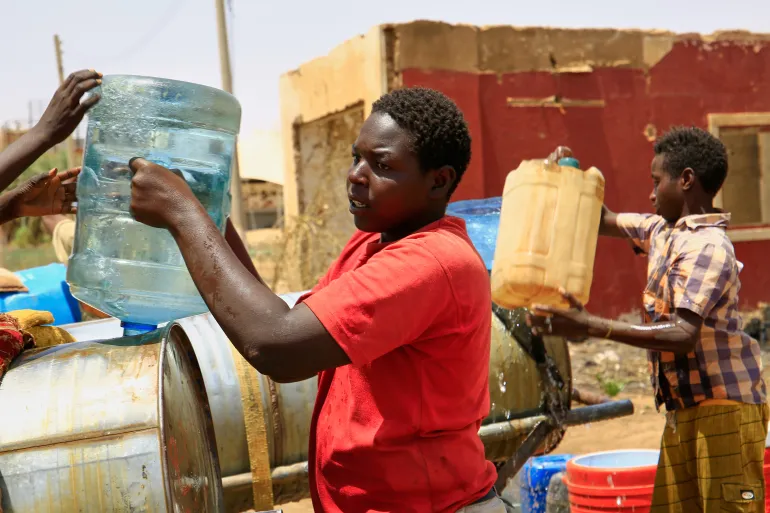
Local NGOs, Government brace for funding gaps
Local NGOs in Tanzania that rely on UK partnerships are already preparing for programme reviews and early exits from funding cycles.
The FCDO noted that the cuts follow a “line-by-line strategic review” aimed at prioritising active humanitarian needs and closing programmes “responsibly.”
Yet for many Tanzanian stakeholders, the transition is expected to be painful. “We are being advised to wind down our outreach in some villages where we had planned water access points,” said a manager with an international NGO based in Arusha. “There’s no clarity on what happens next.”
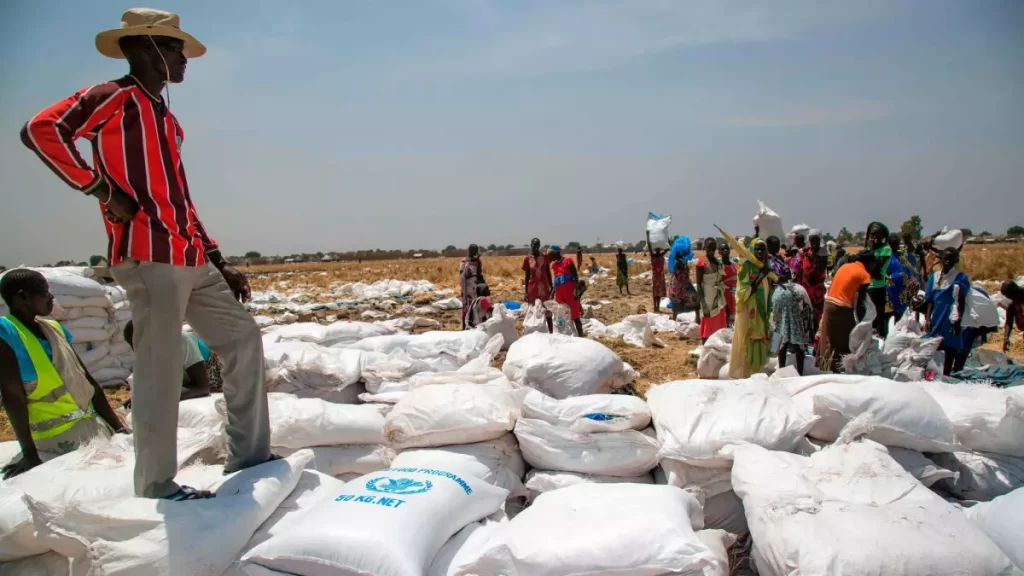
An urgent need for alternative financing
With Tanzania pursuing ambitious goals under Vision 2050 – including universal access to healthcare, improved WASH infrastructure, and gender equality – the scaling back of UK support presents an urgent financing challenge.
Stakeholders are calling on the Tanzanian government to close the emerging aid gap by attracting alternative development partners, encouraging private sector involvement, and scaling up domestic resource mobilisation.
Development experts suggest that Tanzania should also push for increased access to concessional finance through institutions such as the World Bank, African Development Bank, and regional development funds. As the UK turns its attention towards geopolitical defence concerns, Tanzania must adapt quickly to ensure essential development services are not derailed – and that the country’s most vulnerable citizens do not pay the highest price.