By Business Insider Reporter
The country’s domestic economy is on a stable path to recovery, registering a year-on-year GDP growth of 5.2 percent in 2024, up from 4.6 percent in 2023.
This improvement comes despite persistent global economic uncertainties, showcasing the country’s resilience and commitment to economic transformation.
Gross Domestic Product (GDP) is a key economic indicator that measures the total value of all goods and services produced within a country’s borders during a specific time period, usually a year or a quarter.
It’s a broad measure of a nation’s overall economic activity and health.
According to the Bank of Tanzania (BoT) recent Monetary Policy Report published earlier this month, the recovery was driven by strong performance in the agriculture, construction and mining sectors.
Services and industrial output also gained momentum, reflecting broad-based sectoral improvements.
The report attributes the performance partly to strategic government interventions such as increased infrastructure spending and favourable weather, which supported higher crop yields.
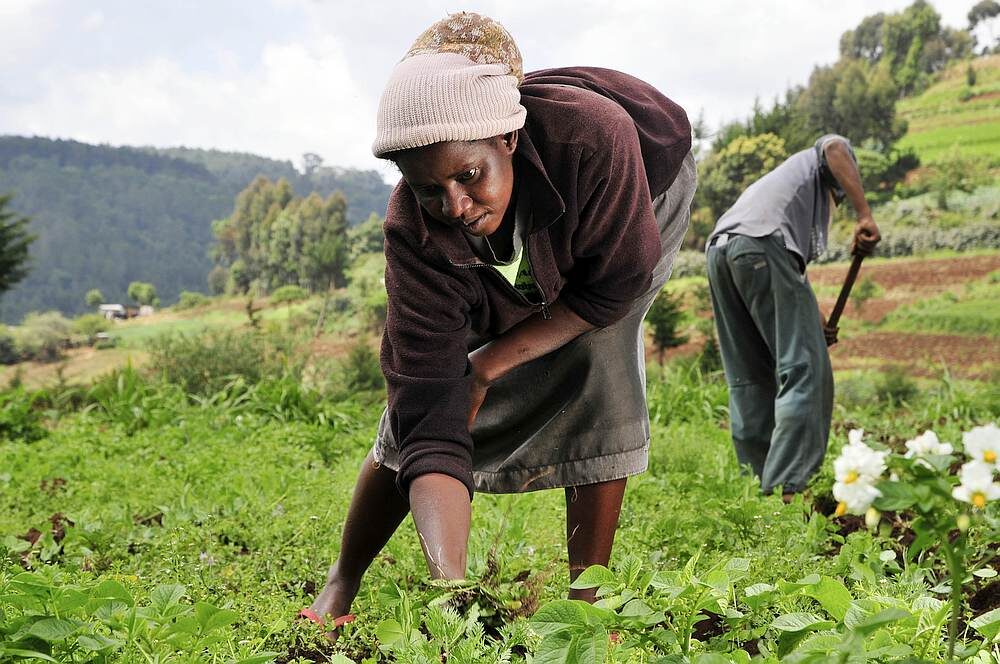
Agriculture – Tanzania’s economic mainstay – benefited significantly from improved rainfall patterns and sustained public investment in irrigation and input supply systems.
Construction activities continued to expand due to ongoing public infrastructure projects including roads, bridges, energy transmission, and water distribution networks.
Meanwhile, mining remained buoyant thanks to growing global demand for Tanzanian gold and battery-related minerals.
Inflation remained broadly within target, averaging 3.9 percent during the first half of 2025, up modestly from 3.6 percent in 2024.
The increase is largely attributed to rising global oil prices and domestic supply bottlenecks in some food items. However, core inflation – which excludes volatile food and energy – remained below 3.5 percent, signalling controlled underlying price pressures.
The labour market also showed positive signals. With ongoing investment in agro-processing and manufacturing, formal job creation slightly outpaced the rate of population growth.
Youth employment programmes and SME funding also contributed to improved job market outlooks, though structural challenges persist.
The central bank, through a cautiously accommodative monetary policy, ensured sufficient liquidity in the economy. Interest rates remained relatively stable, and credit to the private sector recorded growth of 13.5 percent, compared to 11.8 percent the previous year.
Much of this credit was directed to agriculture, trade, and personal loans – sectors with direct consumer linkage and high employment potential.
Despite these positive trends, the report cautions against emerging downside risks.
These include uncertainty in global commodity prices, the possible resurgence of geopolitical tensions, and climatic variability that could threaten agriculture. Furthermore, delays in public investment execution could impede the growth trajectory.
Policymakers are urged to maintain a balance between stimulating domestic demand and safeguarding macroeconomic stability.
Enhancing public-private sector collaboration, expanding access to affordable credit, and fast-tracking structural reforms will be key to sustaining this momentum.
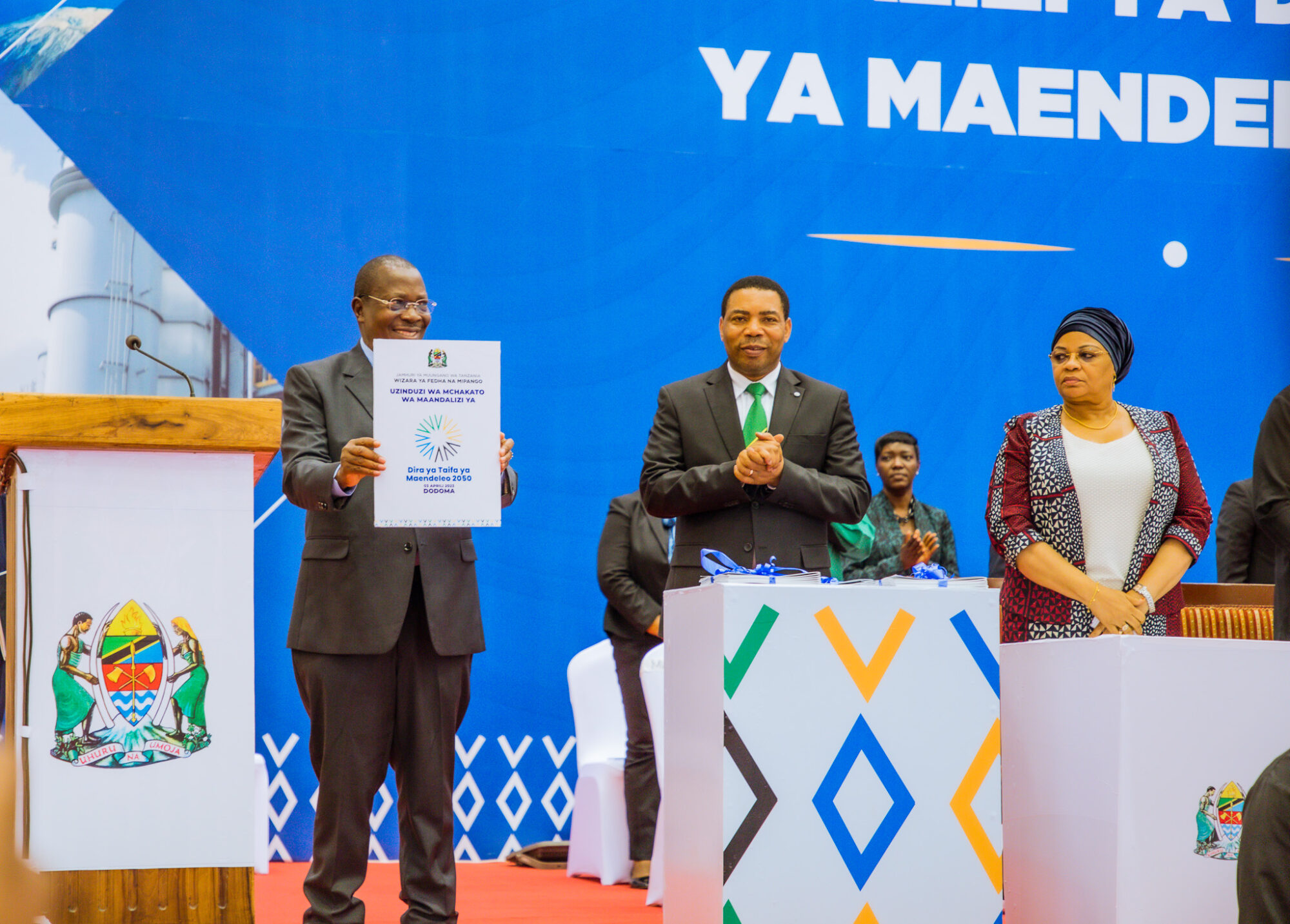
The government’s Dira 2050 strategy, which prioritises industrialisation, export-led growth and human capital development, is seen as a critical roadmap.
The central bank underscores the need to accelerate investment in logistics, digital infrastructure, and agro-processing to harness the potential of Tanzania’s demographic dividend. As global economic volatility continues, Tanzania’s focus on a self-reliant and diversified economic model – anchored on agriculture, minerals, and manufacturing – is likely to shape its medium-term trajectory.