By Business Insider Reporter
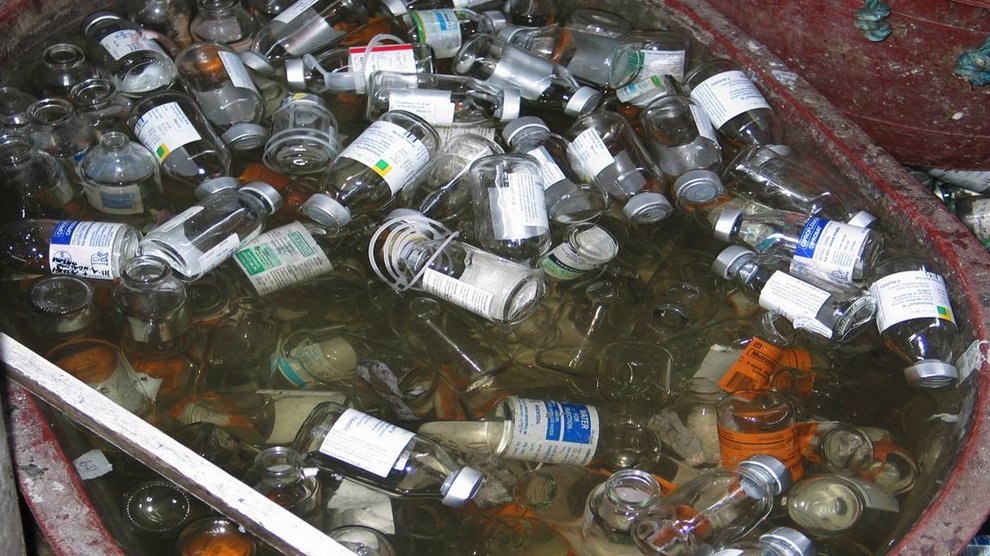
Tanzania and East Africa are grappling with a deepening health crisis stemming from the proliferation of contaminated and falsified medicines, a problem that the World Health Organization (WHO) and United Nations Office on Drugs and Crime (UNODC) have labelled a “critical public health and criminal threat” in a landmark joint report released this month.
The report, titled “Substandard and Falsified Medical Products and Organized Crime”, outlines how weak regulatory systems, under-resourced supply chains, and organised criminal networks are fuelling the distribution of dangerous medicines across low- and middle-income countries – including Tanzania and its East African neighbours.
“Substandard and falsified medical products cause suffering and death, especially among the most vulnerable,” the report states. “In parts of Africa, up to 50% of tested medicines failed quality control tests.”
This alarming statistic is particularly relevant to Tanzania, where rural and peri-urban areas often lack strong pharmaceutical oversight and quality control.
The region’s reliance on imported generic medicines and loosely regulated supply chains creates a fertile ground for counterfeiters and traffickers.
Widespread health, economic consequences
The WHO-UNODC report estimates that in sub-Saharan Africa, up to 267,000 deaths annually may be linked to falsified or substandard medicines – many of which are intended to treat malaria, pneumonia, and other common diseases.
In Tanzania, where malaria remains a leading cause of death, the circulation of fake anti-malarials could directly undermine national health goals.
“Even when patients have access to treatment, they may unknowingly take ineffective or dangerous products, rendering health systems less trusted and less effective,” the report warns.
Economic losses are equally dire. The report notes that fake medicines drain up to $30 billion globally each year from legitimate healthcare systems. For East African economies striving for universal health coverage and local pharmaceutical development, this is a devastating setback.

Criminal networks exploiting weak links
The report highlights how organised criminal groups are taking advantage of porous borders, weak law enforcement, and limited regulatory oversight to profit from the trade in fake medicines.
Tanzania’s central location in East Africa makes it both a transit and destination point for illicit products.
“In many countries, the regulatory frameworks are not designed to treat falsified medicines as a crime equal to trafficking narcotics or firearms,” the report notes. “This gives organised criminals a low-risk, high-profit opportunity.”
The report calls for urgent investment in strengthening national medicine regulatory authorities, training customs and law enforcement officials, and increasing international coordination to dismantle criminal networks.
East African cooperation urged
Experts say Tanzania and other East African countries must urgently adopt stronger regional cooperation mechanisms. This includes information sharing, joint investigations, and harmonised laws to prosecute pharmaceutical crimes across borders.
“The cross-border nature of the trade requires a regional approach. Isolated national efforts will not be sufficient,” said one of the report’s contributors.
Tanzania has taken steps in recent years to improve medicine registration and inspection, but enforcement gaps remain, especially in remote areas.
The Tanzanian Food and Drugs Authority (TFDA) is chronically underfunded and understaffed relative to the scale of the problem.

Call to action
The WHO and UNODC are urging governments, including Tanzania’s, to treat medicine quality as a national security issue, not merely a regulatory concern.
This includes increasing investment in regulatory capacity, adopting stronger penalties for trafficking counterfeit medicines, and launching public awareness campaigns.
“Governments must act decisively,” the report concludes. “Without urgent intervention, substandard and falsified medicines will continue to undermine public health, weaken trust in health systems, and empower criminal networks.” For Tanzania and its East African neighbours, the message is clear: tackling contaminated medicines is no longer optional – it is a health, economic, and security imperative.