
By Business Insider Correspondent, Victoria Falls, Zimbabwe
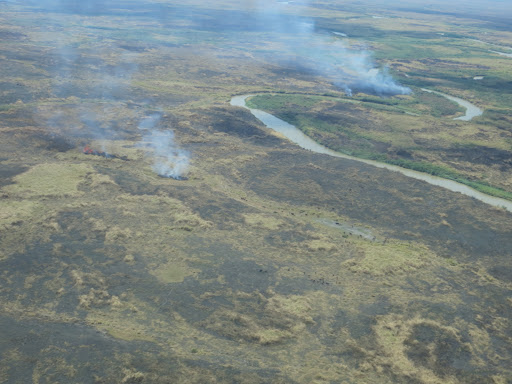
Tanzania’s Minister of State in the Vice President’s Office (Union and Environment), Eng. Hamad Yussuf Masauni, has acknowledged that despite progress made under the Ramsar Convention, the conservation of wetlands in Tanzania still faces significant challenges, largely due to human activity.
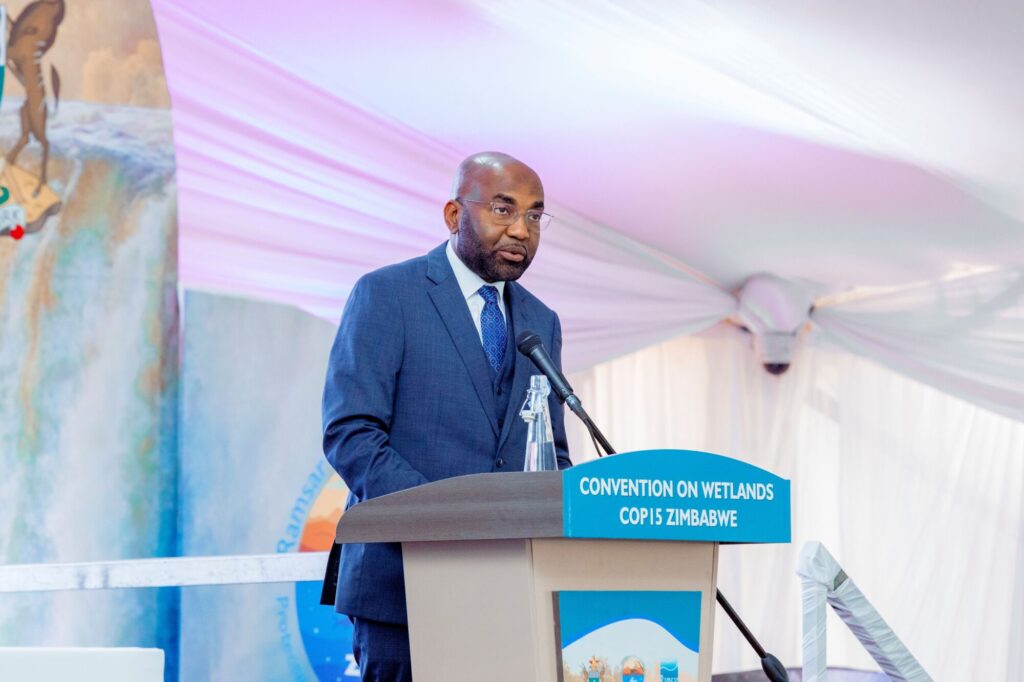
Speaking on July 24, 2025 at the opening of the Regional Ramsar Convention Member States’ Meeting on Wetlands Management held in Victoria Falls, Zimbabwe, Minister Masauni said Tanzania had conducted a comprehensive environmental assessment of its wetlands, which revealed growing threats stemming from agriculture, overgrazing, excessive harvesting of natural resources, pollution from agrochemicals, urban development, deforestation, and mining.
The high-level meeting was officially opened by the President of Zimbabwe, Emmerson Mnangagwa.
“Wetlands are critical ecosystems that deliver essential services such as water purification, food, raw materials, and climate regulation,” said Minister Masauni. “They are habitats for rare and endangered species, and they also prevent floods and droughts, support ecotourism and serve important cultural functions. These ecosystems are crucial to both biodiversity and human wellbeing.”
National strategies for wetland protection
Minister Masauni highlighted Tanzania’s efforts to align national environmental policies with the Ramsar Convention.
These include the newly developed National Environment Policy, the National Blue Economy Policy, and key frameworks such as the National Environmental Master Plan for Strategic Interventions, the National Climate Change Strategy, and the National Biodiversity Strategy and Action Plan (NBSAP).
He noted that Tanzania has designated four Ramsar Sites of international importance: Malagarasi Wetlands, Lake Natron Basin, the Kilombero Ramsar Valley, and the Rufiji–Kilwa Wetland Complex.
“Despite being richly endowed with natural resources, Tanzania is not immune to global challenges such as climate change, energy transition, and food security,” he said. “This is why we need strategic cooperation and innovative solutions to tackle these issues effectively.”
Learning from Zimbabwe’s carbon market
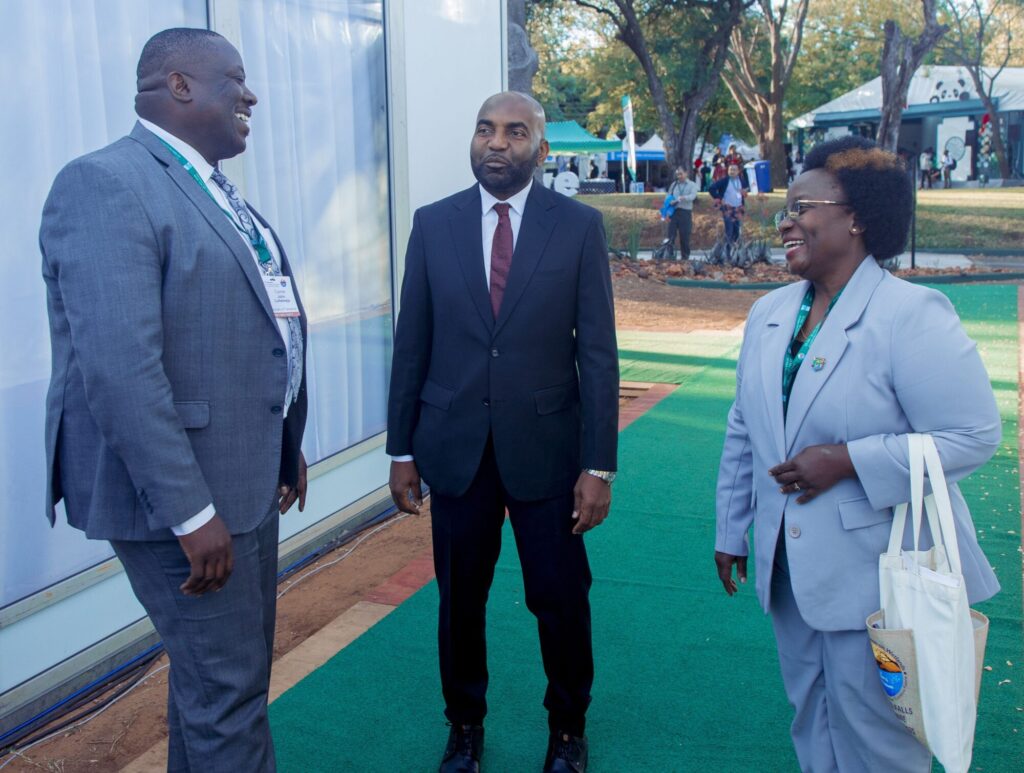
On the sidelines of the conference, Minister Masauni held bilateral talks with Zimbabwe’s Minister for Environment, Climate and Wildlife, Evelyn Ndlovu.
The ministers discussed joint strategies for sustainable development, including carbon trading and the blue economy.
“I commend your ministry and the Government of Zimbabwe for your bold steps in advancing carbon trading, particularly your recent success in establishing a national digital registry to boost carbon investment,” Masauni told his counterpart.
He revealed that Tanzania is in the process of establishing its own national carbon registry, following the introduction of carbon trading regulations two years ago.
He stressed the importance of learning from Zimbabwe’s digital systems and experiences in order to enhance transparency, market access, and national benefits.
Cross-border cooperation
Minister Masauni emphasised that knowledge exchange and collaboration are essential in advancing shared goals, such as protecting wetlands, promoting carbon trading, and developing the blue economy.
“By working together to combat wetland degradation and support emerging green markets, Tanzania and Zimbabwe are better placed to achieve sustainable development for our peoples,” he said. “Let us act collectively to safeguard our natural resources for future generations.” The conference comes at a critical time as countries across the region face increasing pressure on wetlands and other natural ecosystems amid rapid development and climate change. Tanzania’s participation underscores its commitment to balancing environmental protection with sustainable economic growth.