
By Business Insider Reporter and Agencies
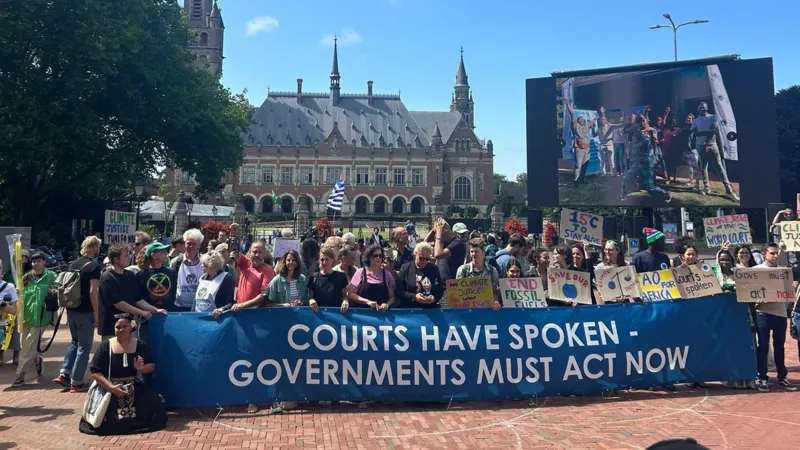
A landmark ruling by the International Court of Justice (ICJ) has sparked new hope for East African countries disproportionately affected by climate change, paving the way for legal action against historical polluters.
For the first time, countries now have international legal standing to sue other states over the environmental and economic consequences of climate change.
The decision, delivered at The Hague last week, was hailed as a watershed moment for climate justice. Although the ruling is advisory and non-binding, legal experts say it holds profound implications, particularly for vulnerable regions like East Africa, which are already bearing the brunt of climate-induced floods, droughts, and food insecurity.
“This is a breakthrough for our region,” said Dr. Emmanuel Lwasa, an environmental law professor at Makerere University in Uganda. “East African nations now have a framework to seek redress for historical emissions that continue to damage our economies, health systems, and agricultural productivity.”
Why it matters for East Africa
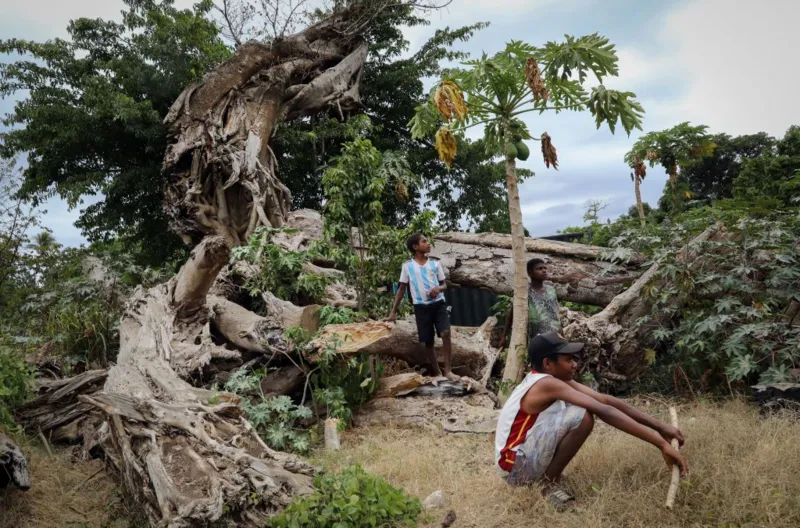
Despite contributing less than 4% of global greenhouse gas emissions, countries like Tanzania, Kenya, Uganda, and Ethiopia suffer disproportionately from climate impacts. From severe droughts that cripple crop yields to floods that displace thousands, East African states have struggled to access international climate finance and compensation mechanisms.
Now, the ICJ ruling affirms that governments have a legal responsibility to prevent environmental harm – not only within their own borders but globally.
“This decision reinforces that climate change is not just a scientific issue; it’s a legal and economic issue,” said Jennifer Robinson, legal counsel for Vanuatu, one of the nations that brought the case forward. “Developing countries now have a right to seek compensation for climate-related loss and damage.”
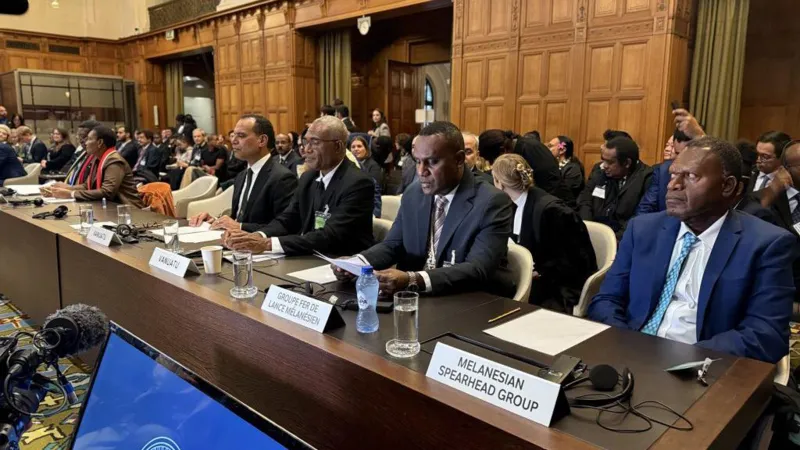
East Africa could be among the first to leverage the ruling in pushing for climate reparations. Governments may now cite the ICJ opinion to bring cases before international or domestic courts – particularly in countries that have ratified the ICJ’s jurisdiction, such as the United Kingdom.
“Whether in The Hague, London, or even local courts in Nairobi or Dar es Salaam, this ruling gives us a powerful legal basis,” noted Harj Narulla, a barrister who represented the Solomon Islands.
Potential for climate compensation
The ruling opens new avenues for East African nations to claim damages for climate-linked disasters, such as:
With adaptation costs rising – Kenya alone estimates it will need $62 billion by 2030 to manage climate risks – the ICJ’s recognition of state obligations may offer leverage in climate finance negotiations.
“Countries like the US and China may not accept the ICJ’s jurisdiction, but many European nations do,” said Joie Chowdhury, Senior Attorney at the Centre for International Environmental Law. “East African states could start with those jurisdictions in seeking redress.”
Holding polluters accountable
Another major implication of the ruling is that governments may be held responsible for the emissions of companies operating within their territory.
This could impact how East African states negotiate with international oil and gas firms or approve new fossil fuel projects.
“This sets a precedent. It’s not just about who pollutes – it’s about who enables pollution,” said Dr. Rehema Mwakalinga, an environmental policy analyst in Dar es Salaam. “The ruling could pressure governments to strengthen environmental laws and limit fossil fuel subsidies.”
Path forward for regional advocacy
The ruling comes at a time when East Africa is uniting around shared environmental goals. In 2024, the East African Legislative Assembly (EALA) adopted a resolution promoting agroecology to strengthen food sovereignty. Now, regional lawmakers may use the ICJ opinion to advocate for more ambitious climate adaptation funding and legal protections.
“This is a moment for regional solidarity,” said Hon. Françoise Uwumukiza, a member of the EALA Committee on Agriculture. “With legal backing, we can challenge harmful global practices while building local resilience.” Despite lacking enforcement powers, the ICJ ruling adds political and moral weight to climate justice campaigns across East Africa. Activists, lawyers, and governments alike are expected to use the opinion to demand reparations, stop harmful projects, and push for structural changes in global climate governance.