
By Business Insider Reporter
In a landmark development for Tanzania’s economy, the Financial Action Task Force (FATF) has officially removed the country from its list of jurisdictions under increased monitoring, commonly referred to as the “grey list.”
The decision follows significant reforms to strengthen Tanzania’s Anti-Money Laundering and Counter-Terrorist Financing (AML/CFT) framework.
The FATF acknowledged Tanzania’s progress in addressing strategic deficiencies identified in 2022, including improved risk-based supervision of financial institutions, enhanced capacity to investigate and prosecute financial crimes and the development of a comprehensive national counter-terrorist financing strategy.
The removal from the grey list is expected to unlock fresh foreign investment, reduce compliance barriers, and restore confidence in the country’s financial system.
Boost to investor confidence
Analysts say the delisting represents a crucial turning point for Tanzania’s economic and financial outlook.
“Coming off the FATF grey list sends a powerful signal to the international business community,” said financial analyst. “It affirms that Tanzania is a credible, compliant partner in global finance – an essential condition for attracting foreign capital and fostering trade.”
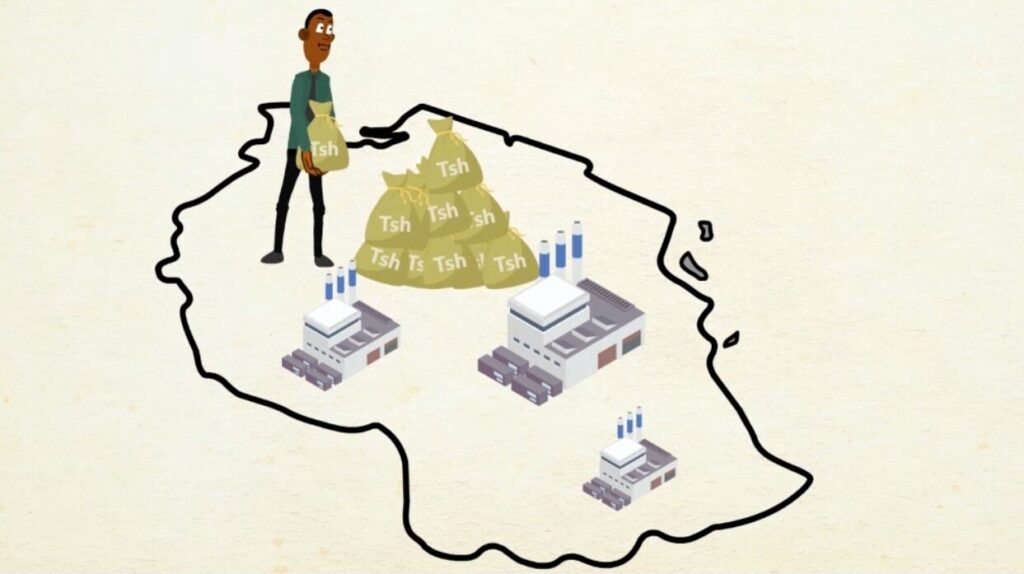
Foreign direct investment (FDI) inflows, which had slowed due to enhanced due diligence and regulatory scrutiny, are expected to rebound.
Financial institutions, particularly banks and mobile money providers, will benefit from reduced transaction costs and smoother cross-border operations.
Sectors set to gain
The move is seen as a major boost to several high-potential sectors, including mining, agriculture, and fintech.
Tanzania’s extractive industries – previously considered high-risk by some international investors due to AML concerns – now face fewer regulatory bottlenecks in securing external financing and joint ventures.
Likewise, fintech companies are likely to gain new opportunities to integrate with international financial platforms, bolstering the country’s ambitions to expand financial inclusion.
The Bank of Tanzania and the Financial Intelligence Unit (FIU) played a central role in implementing the reforms, which included risk-sensitive inspections, enhanced sanctions for non-compliance, and active engagement with the private sector.
Strengthened international standing
Tanzania’s exit from the grey list is also expected to enhance its credibility with global financial institutions, including multilateral lenders such as the World Bank and African Development Bank, both of which rely on FATF assessments when allocating funding.
Furthermore, the development supports Tanzania’s efforts to position itself as a regional trade and investment hub within the East African Community (EAC) and the African Continental Free Trade Area (AfCFTA).
In a statement, the FATF urged Tanzania to continue working with the Eastern and Southern Africa Anti-Money Laundering Group (ESAAMLG) to sustain its progress.
A timely development
The timing of the announcement is also significant, as the country heads towards a general election in October 2025. Economic stability and investor confidence are key themes in the political landscape, and the FATF decision provides a positive narrative for the government to present to voters and international stakeholders alike.
“This is a big win for Tanzania at a critical moment,” saidan economist at the University of Dar es Salaam. “It not only validates the country’s commitment to international standards but also creates new opportunities to engage global investors and financial partners.”
While the removal from the grey list is a major milestone, experts caution that maintaining the momentum will require continued vigilance and investment in compliance systems, regulatory oversight, and public-private coordination. With its AML/CFT reforms now internationally recognised, Tanzania is poised to pursue more ambitious economic goals – including broader access to international markets, increased FDI, and deeper integration into the global financial system.