
By Business Insider Reporter
The signing of a declaration of principles between the Democratic Republic of Congo (DRC) and Rwanda-backed M23 rebels in Doha this weekend marks a significant diplomatic breakthrough that could have lasting implications for East Africa’s regional integration, trade, and security architecture – particularly under the East African Community (EAC) framework.
The agreement, which sets the stage for a final peace deal to be signed by August 18, is the first public commitment by both sides to halt hostilities since the rebels seized key cities in eastern Congo earlier this year, escalating tensions across the region.
With over 7 million people displaced and over 100 armed groups destabilising Congo’s mineral-rich east, the deal offers the most tangible hope yet for a sustainable resolution to what the UN has called one of the most complex humanitarian crises on Earth.
Implications for EAC trade, integration
For the East African Community (EAC) – of which the DRC became a member in 2022 – the ceasefire signals a critical step toward unlocking the country’s full economic potential within the bloc.
The persistent conflict has hindered cross-border trade, infrastructure connectivity, and investment flows, particularly between Congo, Rwanda, Uganda, and South Sudan.
The Northern and Central Corridors, vital trade arteries linking the DRC to Tanzanian, Kenyan, and Rwandan ports, have faced operational disruptions due to insecurity in eastern Congo.
A cessation of hostilities and possible demilitarisation of rebel-held areas could revive logistics and cross-border commerce, benefitting traders, transporters, and regional supply chains.
Moreover, increased stability may catalyze infrastructure projects such as roads, energy interconnections, and digital corridors under the EAC and African Continental Free Trade Area (AfCFTA) frameworks – especially in resource-rich regions like Goma and Bukavu.

Boost to peacekeeping and investment confidence
The peace declaration is expected to relieve pressure on the EAC Regional Force (EACRF), whose deployment in eastern Congo had become increasingly complicated amid friction between EAC member states, especially Congo and Rwanda. A political resolution may allow the regional force to shift from combat readiness to peacekeeping and reconstruction support.
Investor confidence is also likely to rebound. For Tanzania, Kenya, and Uganda – key regional players in Congo’s import/export corridors – stability in eastern Congo opens up new markets for goods, financial services, and infrastructure investment, particularly in mining, telecom, and agri-business.
Challenges ahead
Despite the breakthrough, observers warn that implementation will not be easy.
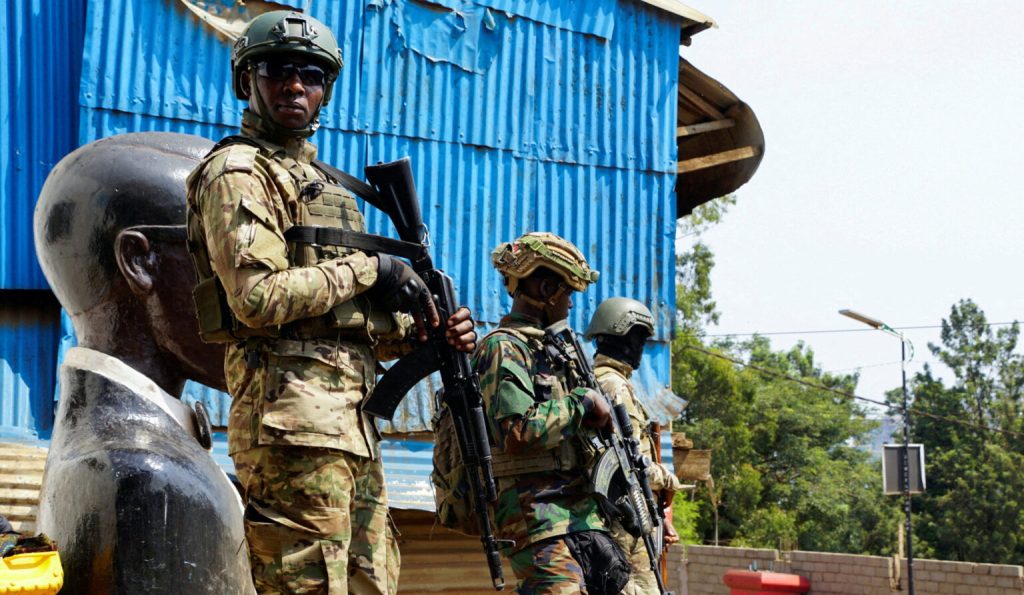
One sticking point remains the withdrawal of M23 rebels from strategic cities like Goma and Bukavu, and Rwanda’s commitment to pulling its troops reportedly present in eastern Congo.
These are deeply political issues that will require delicate negotiations and mutual concessions.
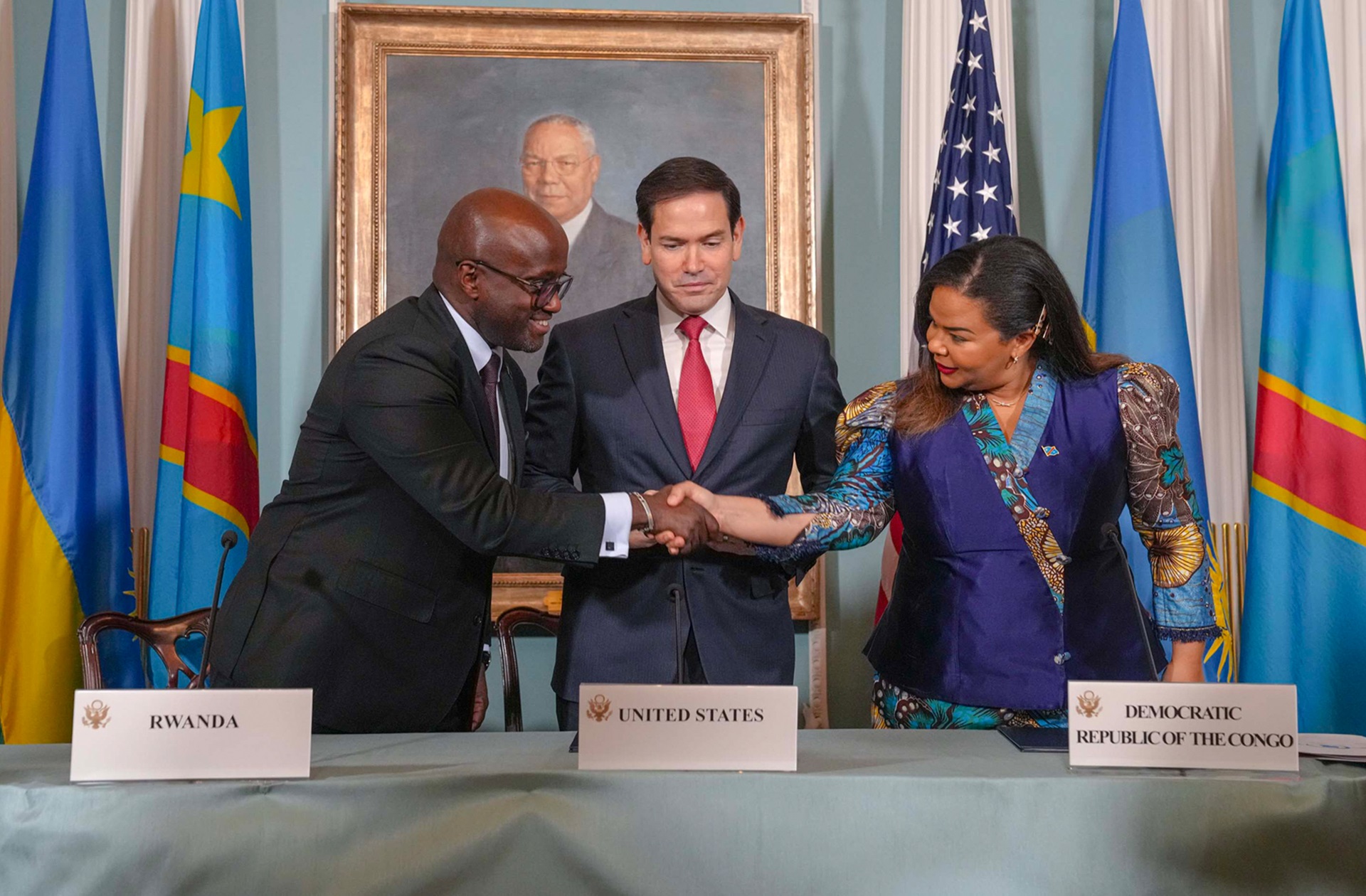
The US-facilitated peace framework signed between Rwanda and Congo in Washington in June is expected to provide diplomatic leverage, particularly as the parties align on commitments related to security guarantees and demobilisation of genocidaire-linked militias that Rwanda sees as a threat.
Chance for the EAC to lead
This moment presents a critical opportunity for the EAC to assert itself as a credible peace and economic bloc.
If the final peace deal is successful, the community could play a stronger role in conflict mediation, post-conflict reconstruction, and integrated development across the region.
With the AfDB, EAC, and private sector partners pushing regional industrialisation and connectivity, a peaceful DRC could become a vital driver of East Africa’s growth in the next decade.
Bottom line If sustained, this ceasefire could shift the narrative in eastern Congo – from war and instability to peace and shared prosperity – offering the EAC a renewed path toward unity, economic expansion, and geopolitical relevance.