By Business Insider Reporter
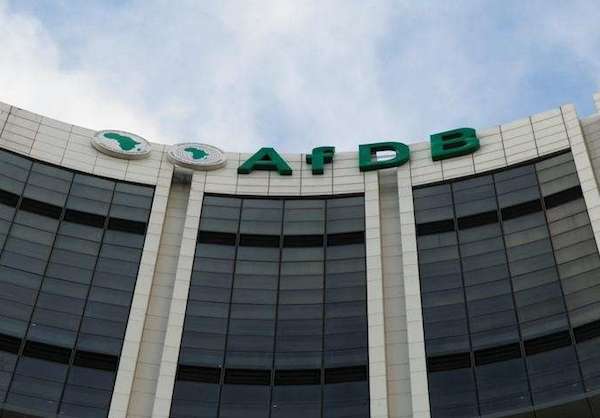
Tanzania’s manufacturing and trade sectors are poised for renewed growth following the signing of a $1 million grant agreement between the African Development Bank (AfDB) and the East African Business Council (EABC) to support sustainable industrialisation across the East African region.
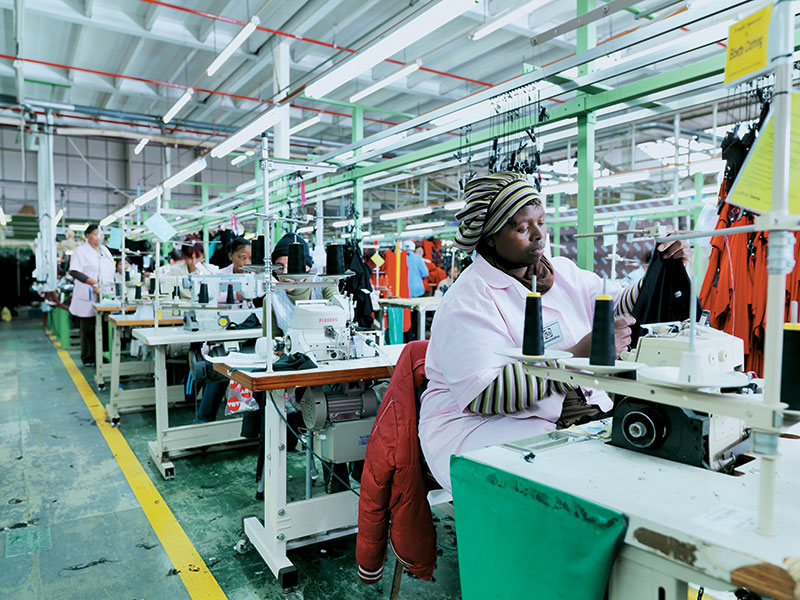
The grant, signed earlier this month in Arusha, will focus on strengthening value chains in edible oils, leather, and textiles – sectors that are vital to Tanzania’s industrialisation ambitions and identified as priorities under the East African Community (EAC) Industrialisation Policy and Strategy (2012–2032).
For Tanzania, the impact could be transformational. The country already has a growing base of agro-processing, leather tanneries, and textile SMEs, yet many face structural barriers such as limited access to regional markets, regulatory bottlenecks, and lack of industry-specific policy support.
The grant will fund technical assistance, research, policy dialogue, and capacity building, equipping Tanzanian firms – particularly small and medium-sized enterprises (SMEs) – to improve productivity, access regional and continental markets and adopt best practices in environmental, social, and governance (ESG) standards.
“This partnership creates tangible momentum for Tanzania’s private sector to tap into the EAC Customs Union, the Common Market Protocol, and the African Continental Free Trade Area (AfCFTA),” said Adrian Njau, Acting Executive Director of the EABC.
AfCFTA alone opens access to a market of 1.3 billion people, offering vast export potential for Tanzanian products.
The initiative aims to increase the contribution of manufacturing to GDP from the regional average of 10% to 25% by 2032, aligning with Tanzania’s Third Five-Year Development Plan and its national industrialisation roadmap.
Moreover, the programme’s strong emphasis on gender inclusion and youth empowerment ensures that women – and youth-led enterprises will be integral to value chain growth, especially in labour-intensive sectors like leather goods, textiles, and food processing.
Over 1,500 regional industries, including many based in Tanzania, are expected to benefit directly from the programme.
The grant supports AfDB’s Ten-Year Strategy (2024–2033) and its “Integrate Africa” priority under the High 5s, which advocates for regional economic cooperation through infrastructure, policy harmonisation, and trade facilitation. As East Africa intensifies efforts to industrialise sustainably, this initiative offers Tanzania a platform not just to grow, but to lead. By building competitive industries, supporting SMEs, and removing cross-border trade barriers, Tanzania stands to gain jobs, exports, and long-term economic resilience.