By Business Insider Reporter
In the heart of rural Tanzania, where weather patterns are becoming more unpredictable and crop failures more common, a quiet revolution is unfolding – powered not by fertiliser or tractors, but by artificial intelligence (AI).
With the rise of innovative tools like Rada360, smallholder farmers across Tanzania are beginning to fight back against the impacts of climate change, using mobile technology to receive hyper-local weather forecasts, crop management advice, and real-time insights about soil health, water stress, pests, and fertiliser needs.
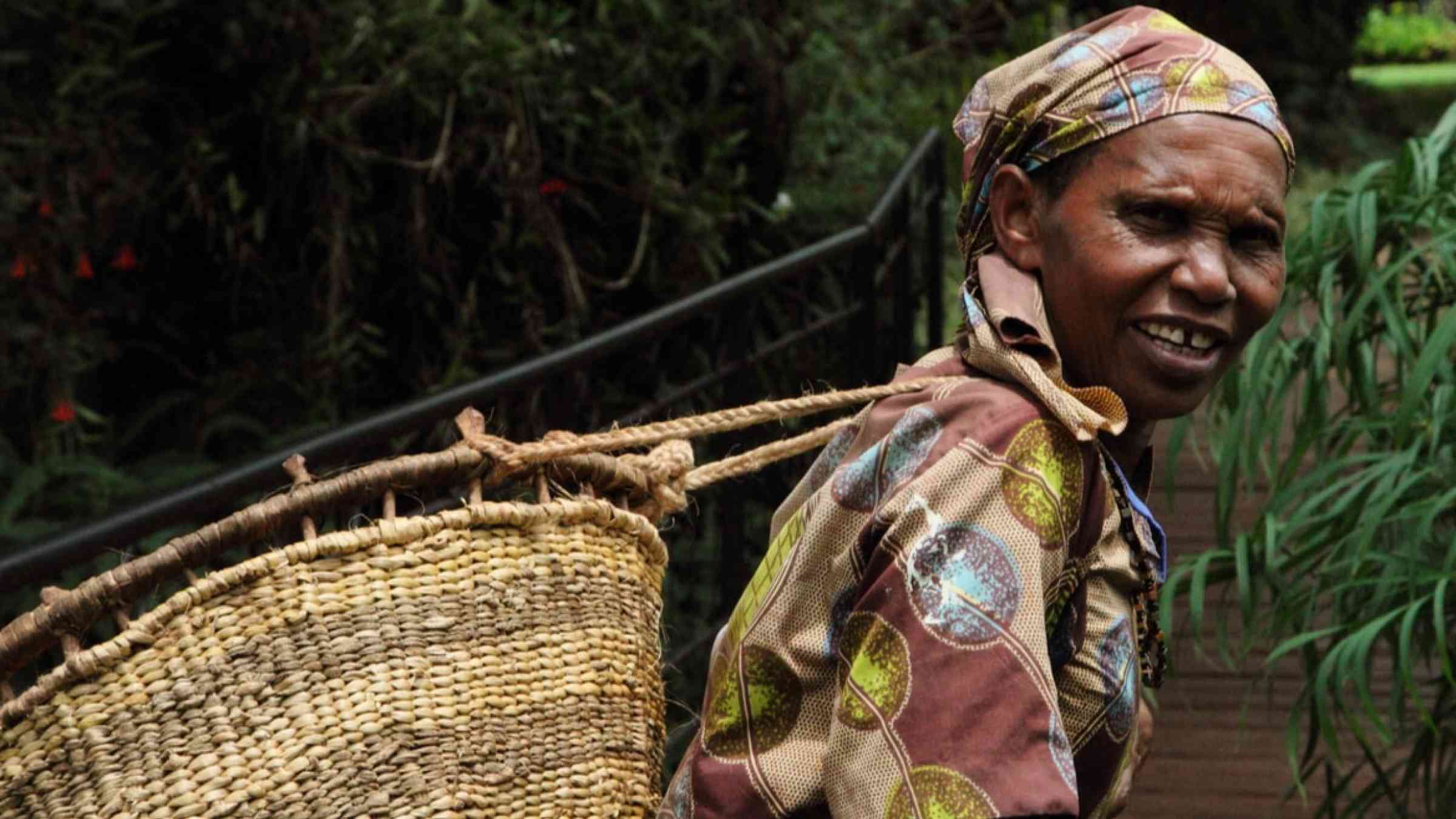
For William Karatibu, a lifelong maize and bean farmer in Biharamulo, the difference has been life-changing. “The traditional methods my parents taught me don’t work anymore,” he says. “But with Rada360, I know exactly when to plant and how to protect my crops.” Since using the app, Karatibu says he hasn’t suffered a single failed harvest.
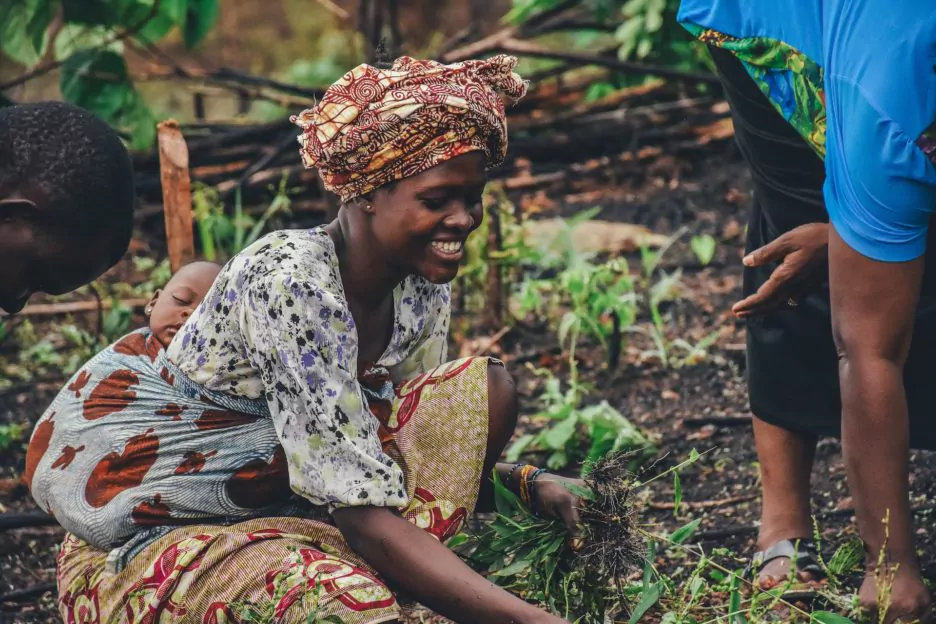
Tanzania, where over 70% of the population relies on small-scale farming, faces serious agricultural threats from erratic rains, heatwaves, and floods. A lack of accurate data has long left farmers vulnerable.
Now, AI tools are closing this data gap – offering a cost-effective, scalable solution that supports food security and resilience.
Developed locally, Rada360 uses AI combined with satellite data to provide farmers with personalised farming support, right from their phones.
It’s part of the Adaptation & Resilience ClimAccelerator, a programme that empowers climate tech start-ups across Africa, backed by SmartLab and Climate KIC.
Essa Mohamedali, a Tanzanian AI strategist, says the key lies in building ethical and locally relevant AI. “We need to ensure these tools are not only powerful but fair, inclusive, and sustainable,” he notes.
While training and running large AI models can consume resources, Mohamedali insists the long-term impact – especially when AI is deployed responsibly in rural communities – far outweighs the cost.
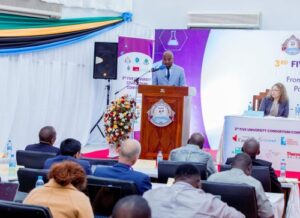
Through the AI-Driven Climate Change Solutions Training Programme, Tanzanians are now learning how to design and apply AI themselves.
By investing in local knowledge, innovation, and entrepreneurship, projects like Rada360 are not only transforming agriculture – they’re building a new generation of tech-savvy climate leaders. As Karatibu’s story shows, the path to climate resilience may not lie in massive machines or global summits, but in the simple power of an app – and the wisdom of a farmer willing to try something new.