
By Business Insider Reporter
Tanzania is set to strengthen its global trade footprint following Belarus’ official approval to establish a Joint Committee on Trade and Economic Cooperation with the East African nation.
The move, outlined in Resolution No. 387 of Belarus’ Council of Ministers, lays the groundwork for formal negotiations aimed at expanding bilateral trade and investment ties.
The decision allows the Belarusian Ministry of Foreign Affairs to negotiate and sign the agreement on behalf of the government.
Once the joint committee is formed, it will serve as a structured platform for Tanzania and Belarus to coordinate trade, industrial partnerships, and investment facilitation.
For Tanzania, the potential benefits are multi-dimensional. Belarus is a leader in agricultural mechanisation, fertiliser production, and heavy machinery – sectors where Tanzania is actively seeking technology transfer and joint ventures to support its ambitious industrialisation agenda under Vision 2050.
Through the proposed committee, Tanzania could attract Belarusian investment in agro-processing, mineral beneficiation, and infrastructure development, while also boosting exports of agricultural products, minerals, and manufactured goods to Eastern Europe.
The timing is strategic. Tanzania is pursuing deeper economic integration within the African Continental Free Trade Area (AfCFTA) while expanding non-traditional trade relationships beyond China, India, and the EU. Establishing such bilateral mechanisms offers a proactive way to diversify trading partners, reduce dependency on a few export markets, and improve Tanzania’s global market resilience.
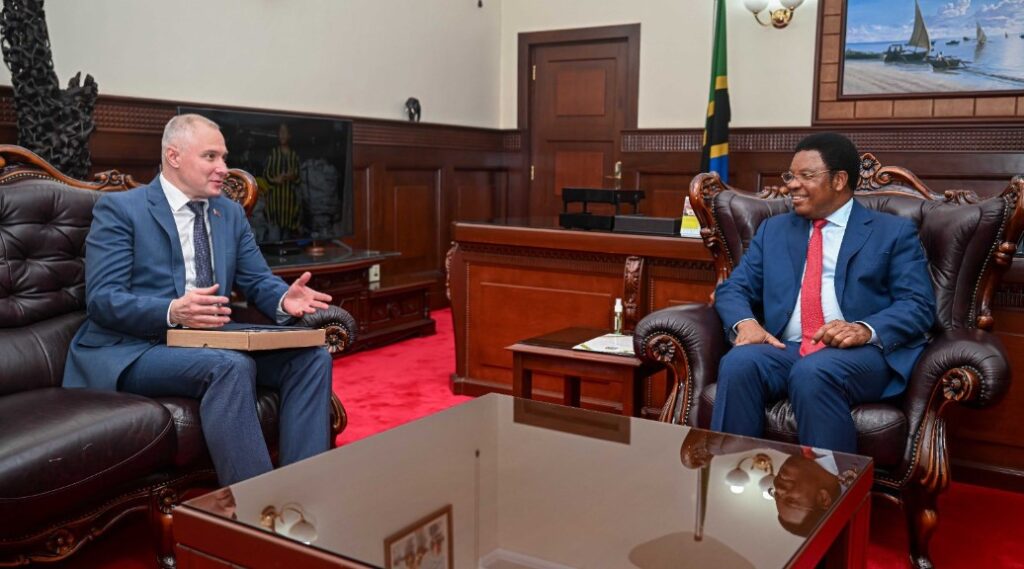
Additionally, Belarus’ keen interest in African markets – driven by shifting global alliances and increased demand for food and raw materials – makes Tanzania an attractive entry point due to its political stability, growing consumer base, and ongoing infrastructure upgrades, including ports, industrial parks, and energy.
If implemented effectively, the joint committee could result in mutually beneficial projects, technology exchange programmes, and capacity building – especially in precision farming, vocational education, and green industrial development. As the two governments prepare to finalise and sign the agreement, Tanzanian businesses and public agencies have an opportunity to shape a robust, forward-looking trade agenda that delivers value for local industries and workers.