By Business Insider Reporter
After years of volatility, Foreign Direct Investment (FDI) into Tanzania is showing signs of stabilisation, aided by recent policy reforms and efforts to improve the investment climate.
However, experts caution that sustaining growth in FDI will require deeper structural changes, diversification of the economy, and improved absorption of capital into productive sectors.
According to a recent study on FDI and economic growth in Tanzania by Tanzania Investment and Consultant Group Ltd. (TICGL), the country experienced fluctuating FDI inflows over the past two decades, with notable peaks around 2013 and subsequent declines due to global commodity shocks and investor uncertainty.
In the post-2021 period, under President Samia Suluhu Hassan’s administration, renewed investor confidence and diplomatic engagement have started to reverse the trend.
Investment reforms driving renewed interest
The Tanzanian government has rolled out several reforms aimed at attracting foreign capital, including the streamlining of business registration processes, investment incentives in priority sectors, and the strengthening of legal frameworks for contract enforcement and property rights.
These efforts have started to yield results, with FDI inflows gradually increasing from their pandemic-era slump.
A notable trend is the sectoral diversification of FDI. While mining and gas remain dominant recipients, there has been a marked increase in investment in manufacturing, agriculture, logistics, energy, and tourism, signaling a broader economic transformation.
“FDI has a positive and significant impact on GDP growth in Tanzania,” the report confirms, emphasising that the link is strongest when accompanied by robust trade openness, infrastructure development, and human capital investment.
Challenges remain
Despite positive momentum, the report highlights several challenges undermining the long-term impact of FDI on economic growth.
Chief among them is the limited integration of foreign investment into the local economy, with weak linkages between foreign firms and domestic suppliers.
Additionally, constraints such as bureaucratic inefficiencies, policy unpredictability, and gaps in skilled labor continue to limit the full productivity gains from FDI.
Moreover, regional disparities persist, with most FDI concentrated in urban centers like Dar es Salaam and in extractive industries, leaving rural and underdeveloped regions behind.
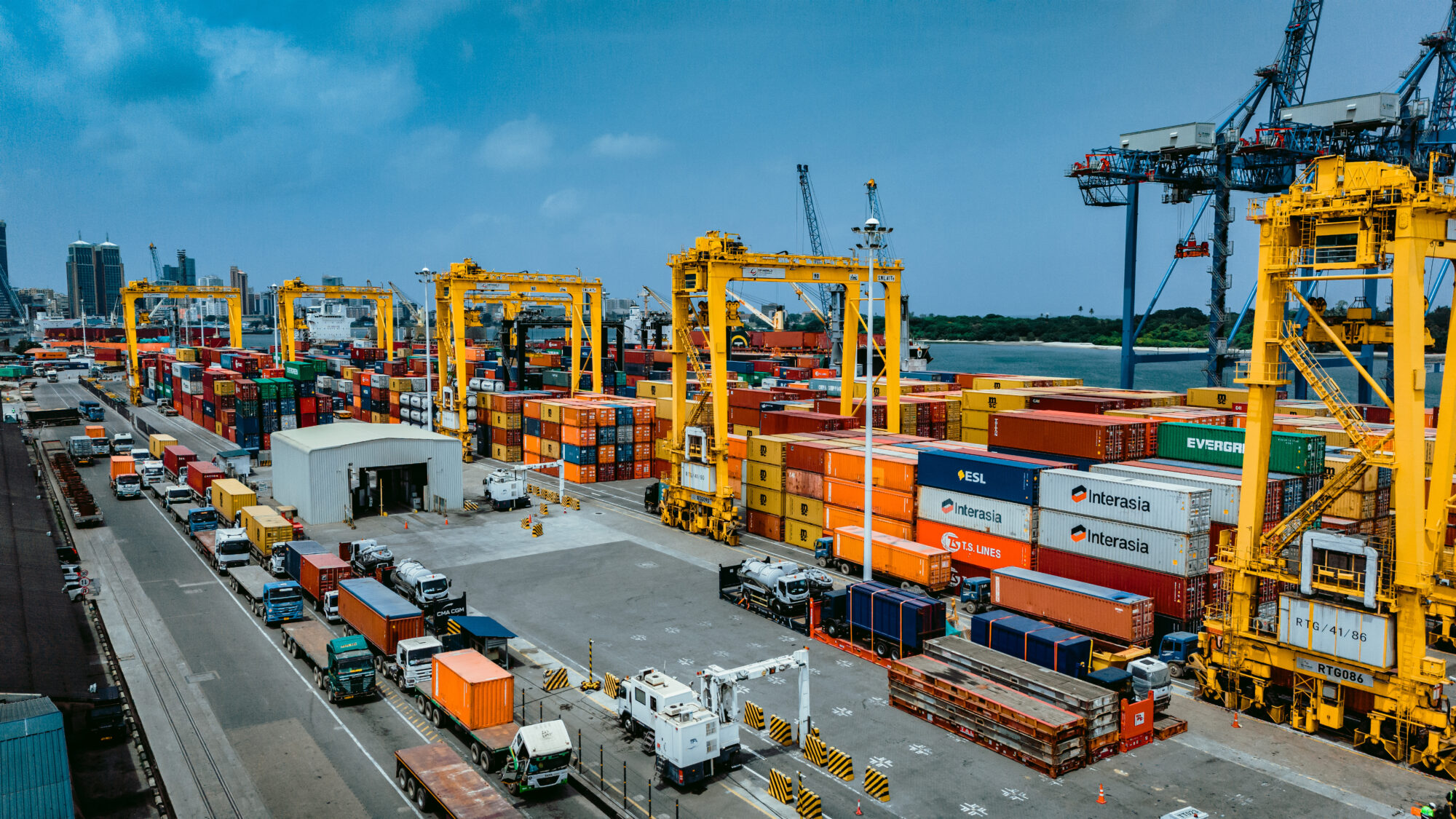
Data Snapshot: Tanzania’s FDI Over Time
2013: Peak FDI inflow of over USD 2.1 billion
2015–2020: Decline due to investor concerns and global commodity downturn
2021–2024: Recovery phase with steady inflows, especially in energy and services
FDI-GDP ratio: Positive correlation, but subject to absorptive capacity constraints
In tandem with broader East African Community (EAC) and AfCFTA integration, Tanzania is well-positioned to attract larger and more diverse FDI flows—if it can maintain political stability, continue reforms, and build investor trust. While the trajectory of FDI in Tanzania is improving, its true potential lies not just in the volume of capital attracted but in how effectively that capital is translated into jobs, technology transfer, and inclusive economic growth.