By Business Insider Reporter
Tanzania is poised to benefit significantly from a newly approved US$2.15 million grant for the Tanzania–Malawi (TAMA) Electricity Interconnector Project, a strategic regional infrastructure initiative aimed at boosting energy reliability and cross-border power trade in Southern and Eastern Africa.
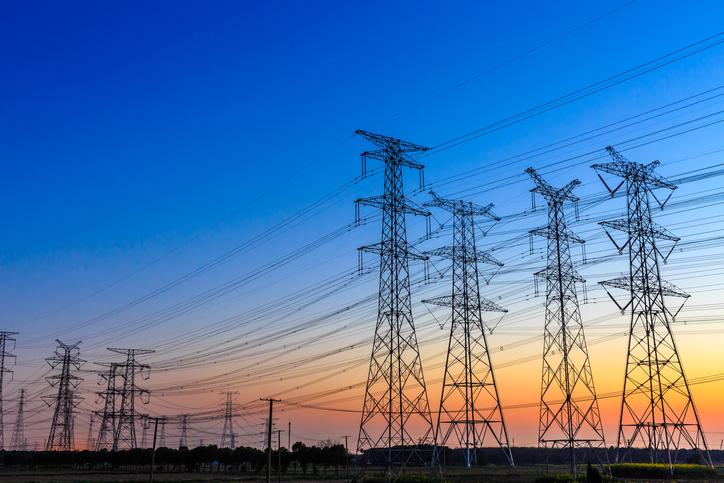
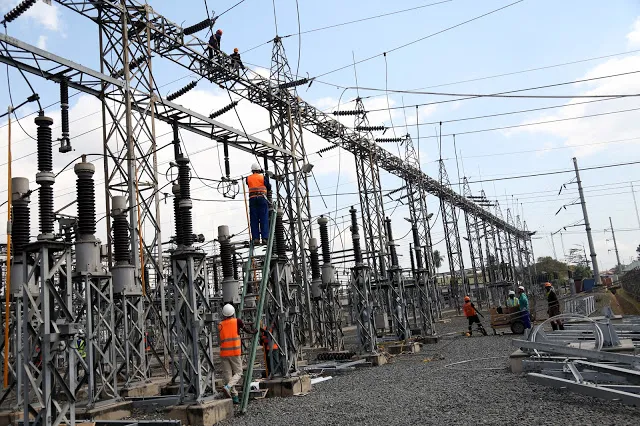
The funding, secured from the Multilateral Cooperation Centre for Development Finance (MCDF), will finance updated feasibility and Environmental and Social Impact Assessment (ESIA) studies for a proposed 400kV transmission line connecting Iganjo Substation in Mbeya, Tanzania to Nkhoma Substation near Lilongwe, Malawi.
The grant application was jointly submitted by the governments of Tanzania and Malawi through the African Development Bank (AfDB), in collaboration with TANESCO and ESCOM, the national power utilities of the two countries. AfDB has since commended both institutions for their commitment to regional energy integration.
Strategic benefits for Tanzania
For Tanzania, the project not only reinforces its role as an emerging regional energy hub, but also opens up new avenues for power exports, revenue generation, and foreign investment.
According to energy experts, the interconnector will allow Tanzania – already investing in major electricity generation projects like Julius Nyerere Hydropower (JNHPP) – to monetize surplus electricity by selling it to energy-deficit countries like Malawi.
“This is a major opportunity for Tanzania to deepen its influence in the Southern African Power Pool (SAPP) and strengthen regional trade,” said an official from the Ministry of Energy. “Beyond the technical benefits, this project is about Tanzania leveraging its infrastructure to drive diplomatic and economic gains.”
Energy diplomacy in action
The TAMA project adds to a growing list of regional electricity interconnection initiatives in which Tanzania plays a central role.
Already linked with Kenya, Zambia and under discussions with Rwanda and Uganda, Tanzania is steadily becoming the linchpin in East and Southern Africa’s regional energy integration strategy.
“By interconnecting with Malawi, we’re not only improving grid stability, but also reinforcing Tanzania’s position as a strategic player in Africa’s energy future,” noted a senior TANESCO engineer.
Next steps
The feasibility and ESIA studies are scheduled to begin in February 2026 and will run for 12 months.
These will build on previous technical assessments conducted by TANESCO in 2022 and ESCOM in 2008, which identified the project’s potential to enhance power reliability, especially in Malawi’s central region.
In the meantime, ESCOM will begin the procurement of a consulting firm to carry out the updated studies, with both governments expected to collaborate closely to fast-track implementation.
Impact and long-term outlook
Once operational, the Tanzania–Malawi interconnector will strengthen energy security in both countries, improve the stability of Tanzania’s southern power corridor and facilitate cross-border electricity trade and grid resilience.
It will also support Tanzania’s ambition to export excess power, especially from hydropower and renewable sources as well as attracting future foreign investment in energy infrastructure The project complements other regional efforts, such as the nearly completed Malawi–Mozambique (MOMA) Interconnector, and aligns with Tanzania’s national vision of industrialisation and regional leadership in energy trade.