
By Business Insider Reporter
The East African Community (EAC) and the Intergovernmental Authority on Development (IGAD) have launched a landmark initiative to eliminate digital borders and accelerate financial integration across the region.
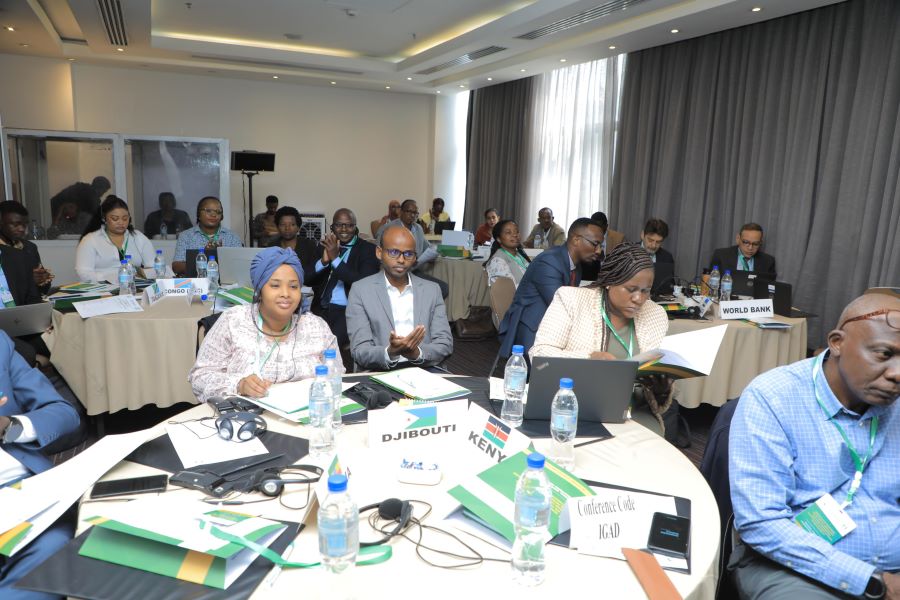
At a joint workshop held recently in Addis Ababa, Ethiopia, the two blocs brought together central banks, digital finance specialists, and policymakers from nine countries to chart a unified course for interoperable cross-border payment systems in Eastern Africa.
The five-day workshop, organised under the Eastern Africa Regional Digital Integration Project (EARDIP) and supported by the World Bank, marks a critical step toward harmonising regulations, aligning technical systems, and addressing cybersecurity gaps that have long hindered seamless digital payments between countries like Kenya, Tanzania, Uganda, Ethiopia, and Djibouti.
Vision for regional digital unity
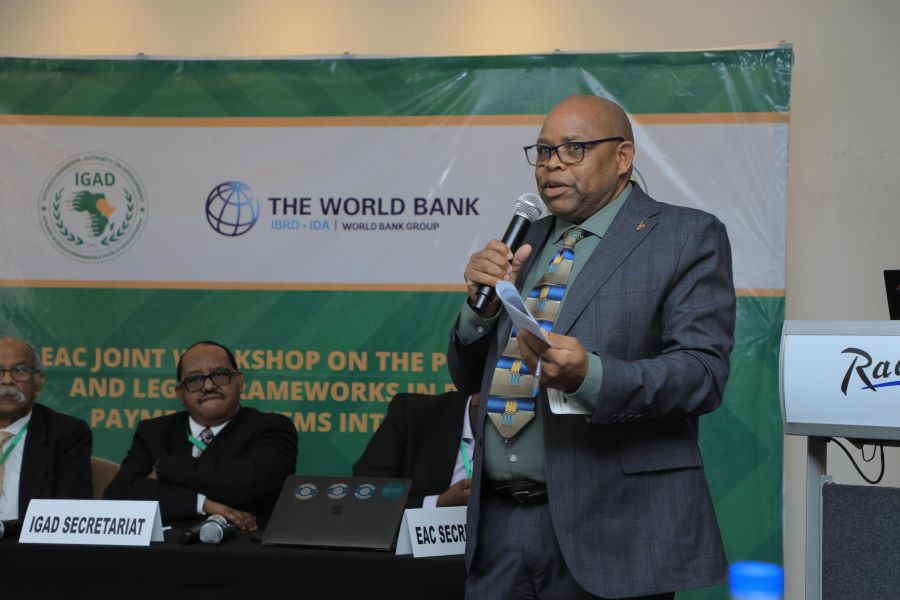
Speaking at the workshop, Dr. Mohyeldeen Eltohami, IGAD’s Director of Economic Cooperation and Regional Integration, described the event not just as a technical dialogue but a “launchpad for transformation.”
“The collaboration between EAC and IGAD reflects the regional solidarity and ambition Africa needs to achieve inclusive prosperity through seamless digital integration,” Dr. Eltohami said.
He called on participants to move beyond national silos and embrace a regional mindset that prioritises interoperability, user experience, and innovation.
Echoing this, Eng. Daniel Murenzi, Principal Information Technology Officer at the EAC Secretariat, underscored the role of digital payments in enabling the continent’s digital economy.
“Interoperability is no longer a luxury but a necessity for regional prosperity. Payment systems are the backbone of any digital market,” he said.
Addressing the fragmentation challenge
Despite individual countries making progress on domestic payment interoperability, regional integration has been constrained by fragmented legal frameworks, technological disparities, and concerns around data protection and cybersecurity.
These issues have made cross-border digital payments costly, slow, and often inaccessible to small-scale traders and remittance users.
Mr. Gynedi Srinivas, Senior Financial Sector Specialist at the World Bank, pointed out that the workshop’s goals align with the G20’s roadmap for faster, cheaper, and safer cross-border payments.
“Interoperability of fast payment systems (FPS) will enable low-cost, secure, and real-time retail payments across borders, benefiting individuals and MSMEs,” he noted.
Participants shared national experiences, discussed legal reforms, and engaged in peer-to-peer learning sessions
Mr. Julius Mutemi, Payment Systems Expert at the EAC Secretariat, delivered a technical presentation emphasising the importance of regulatory harmonisation and data exchange protocols to unlock full payment system integration. The workshop also explored the role of emerging technologies such as blockchain, artificial intelligence, and central bank digital currencies (CBDCs) in transforming payment ecosystems.