By Business Insider Reporter
Five years after its launch, the Twiga partnership between Barrick Gold Corporation and the Government continues to reshape the mining sector’s role in national development – transforming mineral wealth into shared prosperity.
In just the first half of 2025, Twiga contributed approximately US$558 million (about TSh1.48 trillion at the current market exchange rate) to the Tanzanian economy.
This injection underscores the growing impact of responsible mining on economic transformation, job creation, and infrastructure development.
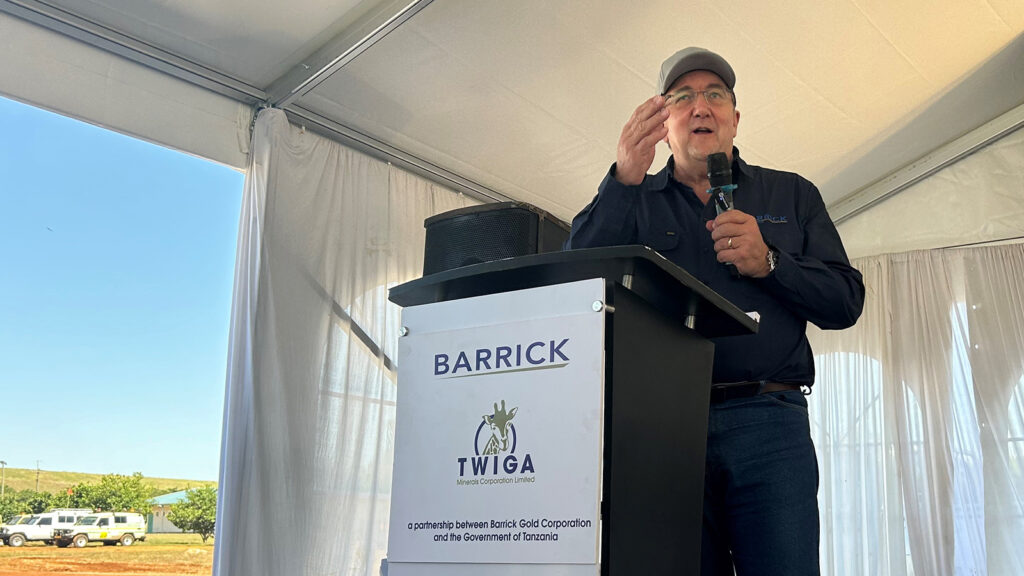
“When we established Twiga, the goal was not just to resolve legacy issues – it was about unlocking Tanzania’s gold potential in a way that delivers lasting value for all stakeholders,” said Barrick President and CEO Mark Bristow during a press briefing at Bulyanhulu in Shinyanga Region.
“Five years on, we’ve re-established Barrick as the sector’s leading contributor to the economy and earned national recognition for safety, local content, education, and infrastructure,” he added.
Since Barrick took operational control of its Tanzanian mines in 2019, it has invested more than US$4.79 billion (about TSh12.65 trillion) into the country. Twiga has not only restored stability and resolved disputes, but also become a continental model for public-private partnerships in natural resources.
A key driver of this impact is Twiga’s “local-first” approach. Over 90% of procurement is sourced from Tanzanian suppliers, supporting local businesses and industries. The workforce is 96% Tanzanian, with nearly half recruited from communities near the mines.
“This ensures that mining-generated value stays within the economy and that Tanzanians actively shape the sector’s future,” the company stated in a presser.
Mr. Bristow reiterated that Twiga was built on the belief that mining should leave a country better off. The visible results, he said, go beyond gold output – they include strengthened institutions, improved infrastructure, and growing local skills.
Among the standout initiatives is the Future Forward education programme – a joint US$30 million investment by Barrick and the Government. Now in its second phase, the program is set to provide classroom space for an additional 45,000 students, addressing infrastructure gaps and equipping the next generation of workers for both mining and the broader economy.
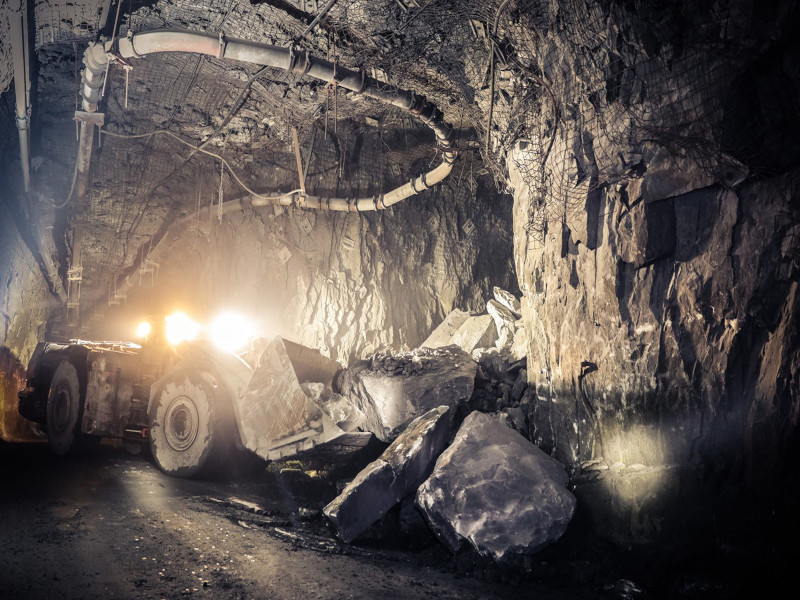
Barrick is also enhancing its mining operations. At Bulyanhulu and North Mara, new underground developments and a battery energy storage system are improving efficiency, stabilizing power supply, and extending mine life – aligning with the company’s focus on operational excellence and environmental responsibility.
As the Buzwagi mine transitions to closure, Twiga’s commitment to development continues. A Special Economic Zone is being established on-site to attract new investment and diversify the regional economy.
Meanwhile, the Barrick Academy is on course to train more than 2,800 supervisors and foremen by the end of 2025, strengthening Tanzania’s talent pipeline and positioning the country as a regional leader in mining expertise.
According to Bristow, a mine’s closure doesn’t mark the end of Barrick’s role. “We aim to leave behind not just infrastructure, but enduring value – institutions, skills, and opportunities that will serve future generations,” he said.