By Business Insider Reporter
The recent fatal elephant attack in Zambia’s South Luangwa National Park, which claimed the lives of two international tourists, has reignited a regional debate on safari safety – with direct implications for Tanzania’s vital tourism industry.
As East Africa reels from the tragic deaths of Alison Jean Taylor (New Zealand) and Easton Janet Taylor (UK), industry stakeholders in Tanzania are reflecting on what these incidents mean for the future of wildlife tourism, especially walking safaris that bring visitors in close proximity to big game in parks like Serengeti, Ruaha, Tarangire, and Nyerere National Park.
While such incidents remain statistically rare, the emotional and reputational impact is significant – with potential ripple effects for Tanzania’s multi-billion-shilling tourism sector, which relies heavily on the appeal of unfiltered wildlife experiences.
Safety perceptions may shift
Tanzania has long positioned itself as one of Africa’s premier safari destinations, drawing hundreds of thousands of tourists annually.
In 2023, the country recorded over 1.8 million tourist arrivals, generating approximately $3.3 billion in revenue – a large portion of it from wildlife tourism.
But as elephant-related fatalities draw global media attention, concerns are mounting about how such narratives may shape international travellers’ perceptions of safety on African safaris.
“These incidents, while unfortunate and uncommon, create a perception risk. Travellers – particularly from high-spending markets – may begin to opt for vehicle-based safaris or other destinations altogether,” said a wildlife tourism expert at the University of Dar es Salaam.
This shift could affect walking safari packages – a niche but growing product offered in southern circuit parks like Selous and Ruaha, where tourists are guided on foot through wildlife territory, offering a thrilling but riskier alternative to game drives.
Elephants: Iconic yet unpredictable?
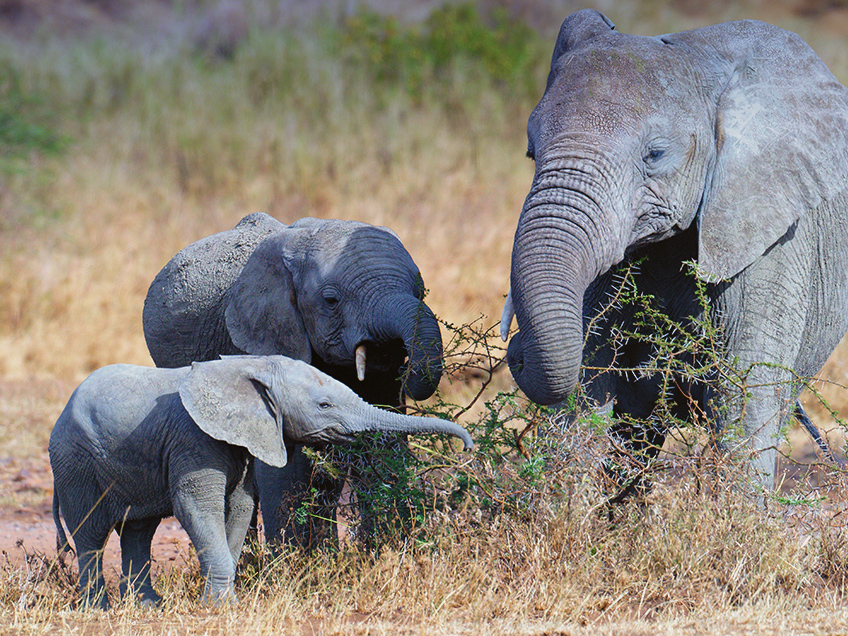
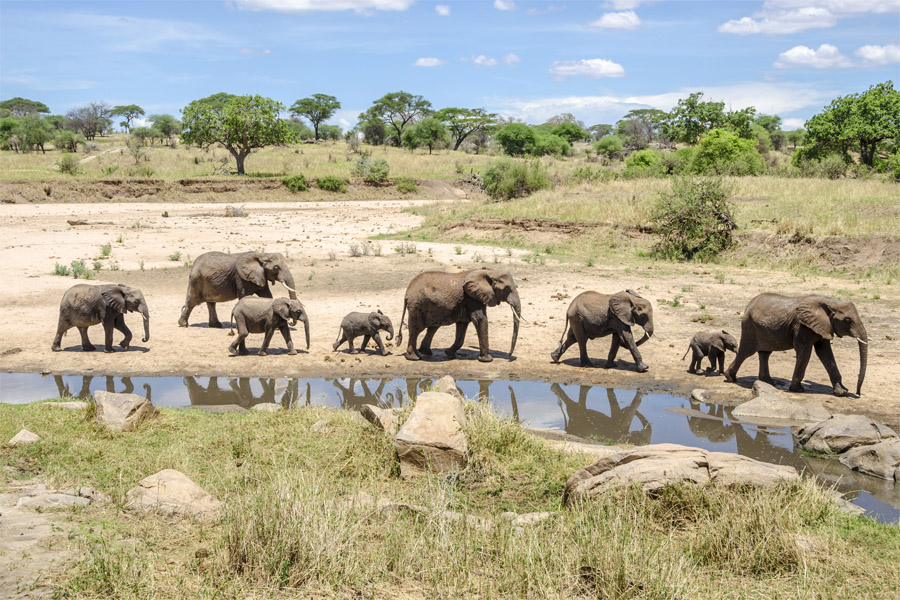
Tanzania is home to over 60,000 elephants, one of the largest populations in Africa, and the species plays a central role in the country’s conservation branding.
Yet, elephants are also among the most unpredictable animals in the wild – especially mothers with calves, lone bulls, or herds under stress from habitat pressure.
Earlier this year, a minor elephant charge incident in Tarangire National Park, though non-fatal, resulted in injuries and was widely circulated online – reinforcing global safety concerns.
Elephants are intelligent, emotional, and sometimes reactive creatures. The more humans interact with them in the wild, the more complex our safety calculus becomes.
Balancing Act: Safety and sustainability
For Tanzania, the current climate presents both a challenge and an opportunity. On the one hand, there’s an urgent need to reassure global markets of the safety of Tanzanian safaris.
On the other, it’s a chance to lead East Africa in implementing enhanced wildlife tourism safety protocols.
Tourism stakeholders are calling for stricter regulation of walking safaris, limiting them to low-risk areas and ensuring they are led only by highly experienced, licensed guides.
They also call for mandatory safety briefings for all tourists engaging in close-contact wildlife activities as well as emergency preparedness measures, including better ranger communication systems and real-time wildlife tracking in high-tourism zones.
Conservation and community implications
Tourism is not just a source of revenue — it underpins conservation funding and rural livelihoods. Entrance fees, guide wages, hotel operations, and anti-poaching patrols all rely heavily on consistent tourist traffic.
A sharp decline in bookings due to safety fears could jeopardize conservation programs for endangered species, including elephants and rhinos, employment for thousands of Tanzanians, from safari guides to local artisans and community engagement, particularly in wildlife corridors and game-controlled areas where residents benefit directly from tourism-linked initiatives. Some experts warn that diminished tourism could increase human-wildlife conflict, as underfunded parks may struggle to contain animal movements into nearby farms and villages.