By Business Insider Reporter
Tanzania is witnessing a powerful transformation in its fight for gender equality and women’s rights, driven by a resource long overlooked – data.
Through targeted investments and strategic partnerships, real-time gender statistics are now being used to inform policy, spark community dialogue, and deliver life-saving services.
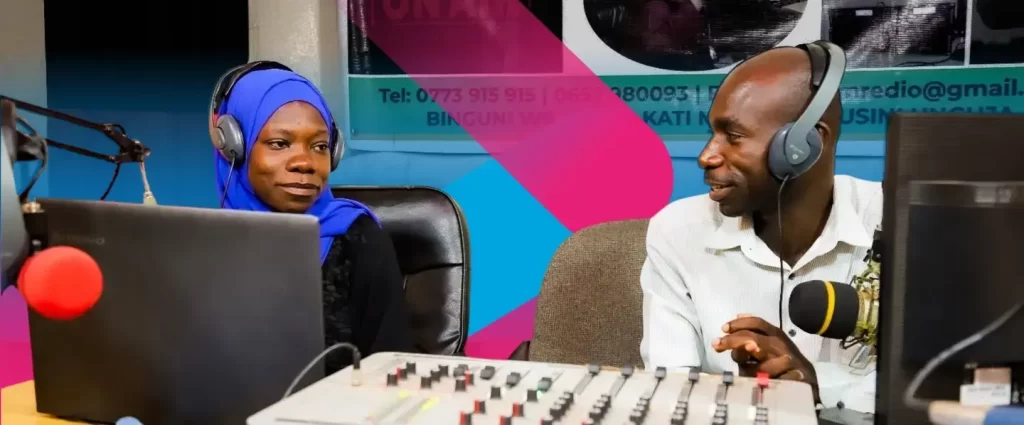
One of the clearest examples comes from Zanzibar, where community radio stations like Tumbatu FM and Kati Radio have taken the lead in demystifying gender-based violence (GBV) by broadcasting monthly statistics on cases reported in local communities.
“When news is backed by data, it carries more weight – and encourages people to find the right solutions,” says Juma Haji Juma, presenter at Tumbatu FM.
Since launching a dedicated gender segment in 2024 – supported by UN Women and the Office of the Chief Government Statistician of Zanzibar – Tumbatu FM has provided a monthly spotlight on GBV, backed by hard numbers and community dialogue.
The approach is working: Zanzibar Police reported 1,809 GBV cases in 2024, up 28% from 2020 levels, a rise attributed to greater awareness and confidence in reporting.
Data that changes lives
The surge in reporting is not viewed as a negative, but rather a breakthrough in empowering survivors and exposing the scale of violence previously hidden by stigma and silence.
“Before, I didn’t know where to report cases of violence,” says Fatma Haji Silima, a regular listener in the Kaskazini District. “Now, I have the information and confidence to help others in my community do the same.”
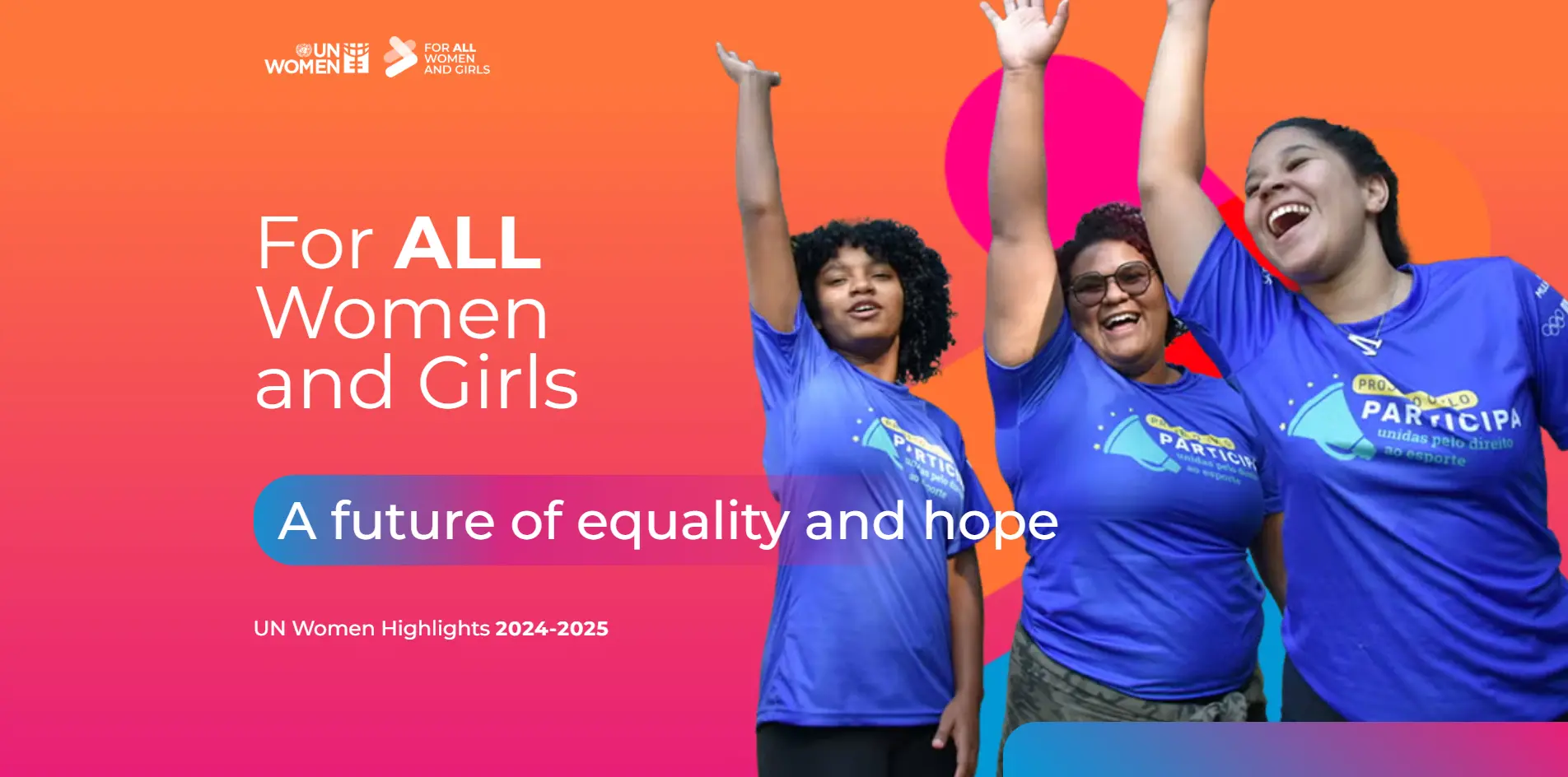
UN Women’s Women Count programme, which has channelled more than US$80 million globally into gender data systems since 2016, is behind much of this momentum.
In Tanzania, the data are now guiding interventions under the National Plan of Action to End Violence against Women and Children, from training police and establishing gender desks to creating one-stop centres for counselling, medical care, and legal support.
A shift in mindsets
At Kati Radio, a youth-led station also based in Zanzibar, gender data segments include expert interviews, listener call-ins, and myth-busting conversations.
“We try to go beyond just sharing statistics,” explains presenter Amina Mohamed. “We challenge misconceptions, highlight available services, and encourage action. This helps people speak out.”
This community-based approach is part of a larger movement to integrate gender-sensitive data into national planning – not just on violence, but in economic empowerment, social protection, and climate response.
Tangible gains
Tanzania is now one of several countries where gender data are not only being collected – but actively used by decision-makers.
Local authorities, health providers, and police departments are using disaggregated data to better target services, allocate resources, and evaluate programme effectiveness.
Looking ahead
As Tanzania and other East African nations push for gender equality, experts say that scaling up these data systems will be key to sustainable change.
“This is more than a numbers exercise,” said a spokesperson from UN Women Tanzania. “It’s about making women and girls visible in policymaking, budgeting, and service delivery.”
From a radio station in Tumbatu to the halls of Parliament in Dodoma, gender data is now shaping conversations – and changing lives. In a region where underreporting and systemic gaps have long hindered progress, the age of data-driven gender justice has arrived.