By Business Insider Reporter
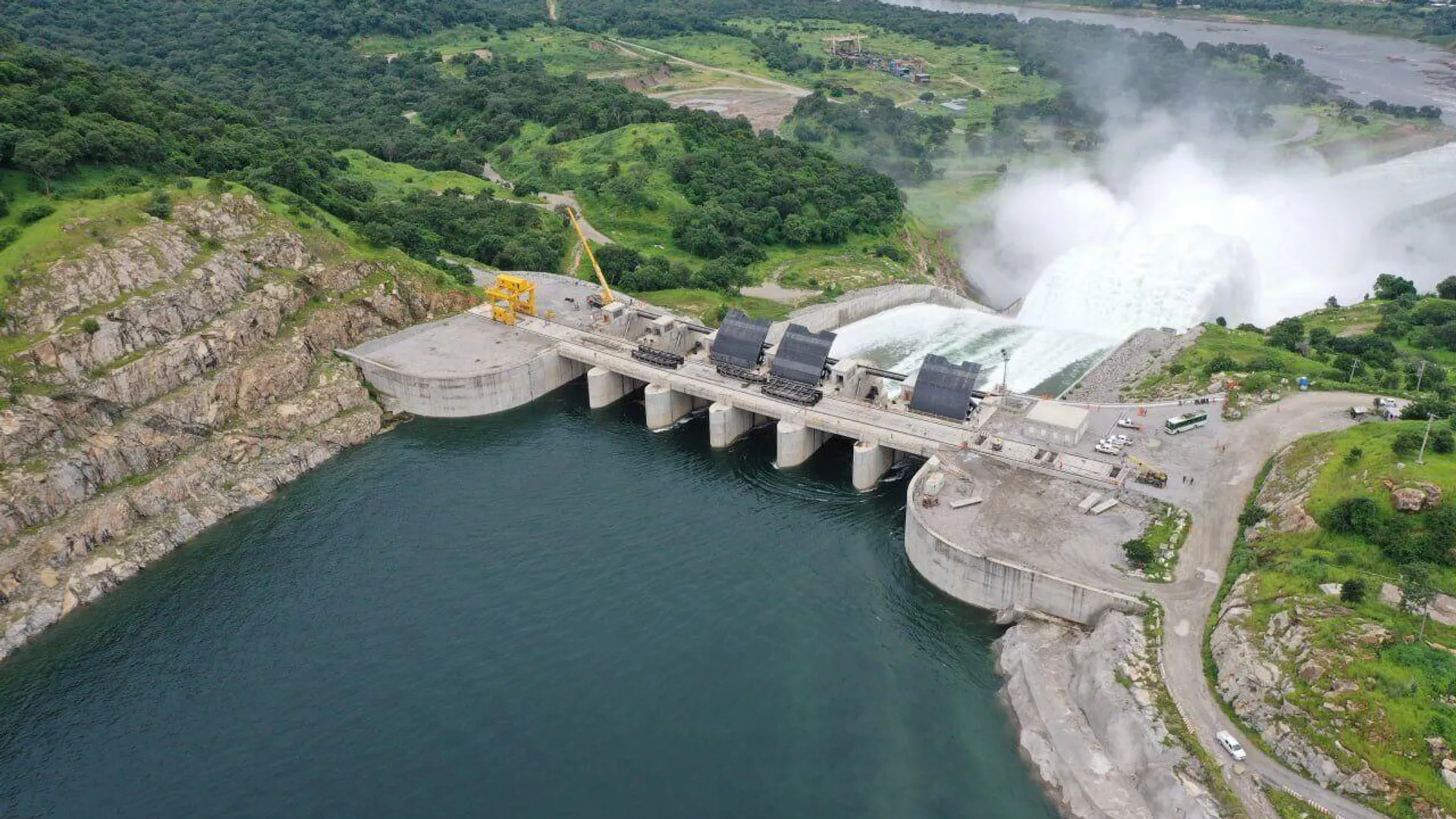
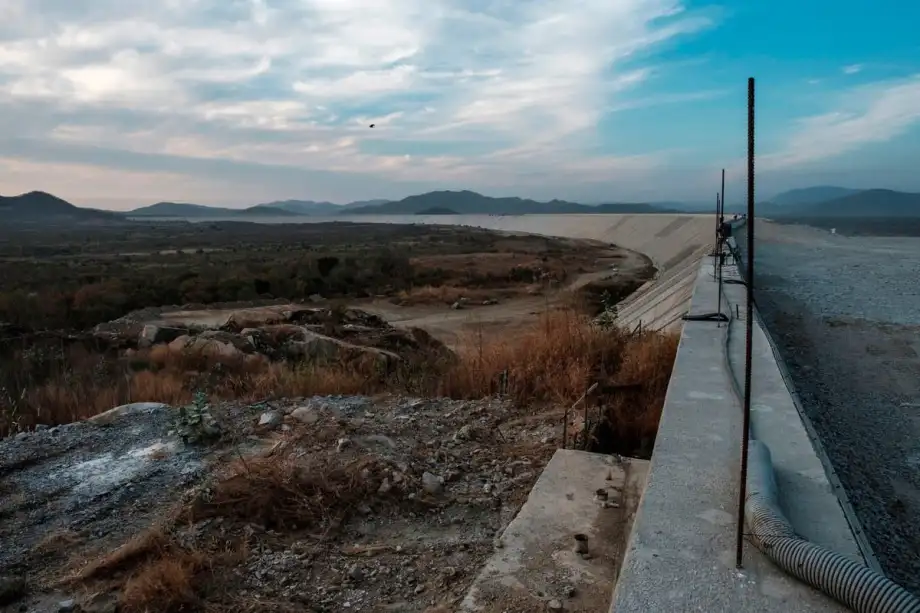
Ethiopia has officially completed construction of the Grand Ethiopian Renaissance Dam (GERD), Africa’s largest hydroelectric project, marking a major milestone in the region’s push for energy independence and economic transformation.
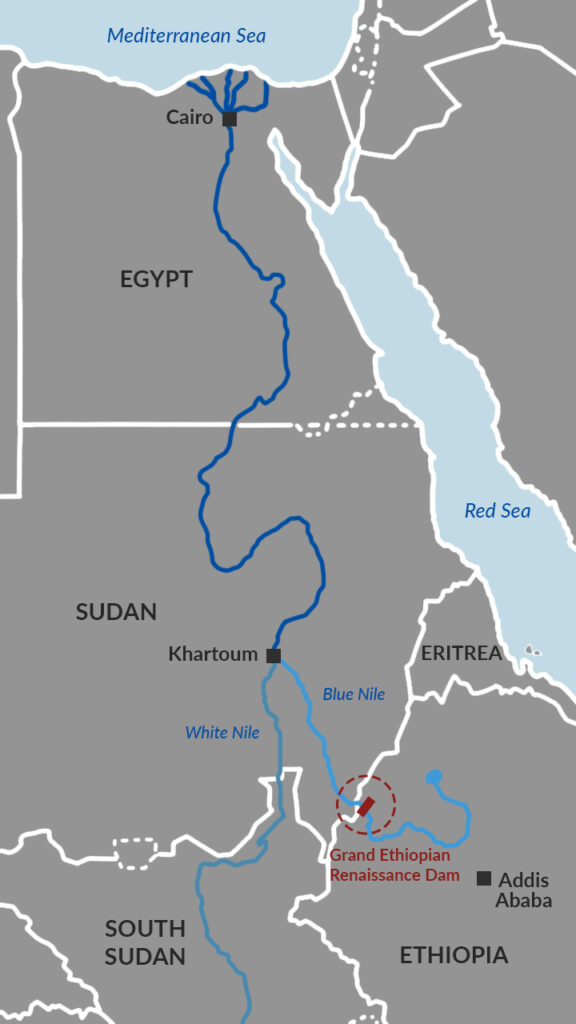
Announced on Thursday July 4, 2025 by Prime Minister Abiy Ahmed, the dam – built at a cost of US$4 billion on the Blue Nile – will be inaugurated in September 2025. With the ability to generate over 5,000 megawatts of electricity, more than double Ethiopia’s current capacity, the dam is set to significantly alter the region’s energy and trade landscape.
“The Renaissance Dam is not a threat, but a shared opportunity,” Abiy told parliament. “The energy and development it will generate stand to uplift not just Ethiopia, but all of East Africa.”
Tanzania among key beneficiaries
Although GERD has stirred diplomatic tensions with Egypt and Sudan, countries like Tanzania are watching the project’s completion with optimism.
The dam’s added capacity could boost power-sharing agreements within the Eastern Africa Power Pool (EAPP) – a regional grid initiative that includes Ethiopia, Tanzania, Kenya, Uganda and others.
Ministry of Energy has said the country is finalising infrastructure that will allow for cross-border electricity trade, enabling Tanzania to import or export surplus hydropower from Ethiopia in the future.
“As we expand our national grid and bring more Tanzanians onto reliable power, access to clean and affordable electricity from Ethiopia offers long-term security for our energy strategy,” a senior official at TANESCO told Business Insider.
Regional integration and industrial growth
With nearly half of Ethiopia’s 130 million people still lacking electricity, GERD will directly address local needs – but the broader economic impact will ripple across East Africa.
Analysts expect lower energy costs in regional markets due to increased supply, improved reliability of electricity for industrial development in Tanzania, Rwanda, and Uganda, enhanced foreign investment prospects tied to energy security and regional integration and growth in power-intensive sectors like mining, manufacturing, and data services.
For Tanzania, which has prioritised industrialisation under its Vision 2025, access to stable electricity from Ethiopia could accelerate development in special economic zones (SEZs) and agribusiness corridors such as the SAGCOT (Southern Agricultural Growth Corridor).
A strategic shift in power dynamics
The dam also changes the regional energy equation, giving Ethiopia leverage as a power exporter. GERD’s completion will position Addis Ababa as a clean energy hub, potentially rivaling traditional energy giants in the region.
“Ethiopia will become a net exporter of electricity – something that could reshape economic alliances in East Africa,” said an energy policy analyst based in Arusha.
Countries like Djibouti, Kenya, and Tanzania stand to benefit most from integration with Ethiopia’s grid – either through power purchase agreements or joint energy infrastructure projects.
Tensions remain with Egypt and Sudan
Despite the economic promise, GERD remains politically sensitive. Egypt, which relies on the Nile for 97% of its water, continues to view the dam as an existential threat. Similarly, Sudan has raised concerns over Ethiopia’s unilateral actions and lack of a binding agreement on water management.
Earlier this week, Egyptian President Abdel Fattah al-Sisi and Sudanese leader Abdel Fattah al-Burhan reiterated their opposition to what they termed unilateral measures by Ethiopia.
In response, Abiy reiterated Ethiopia’s commitment to dialogue and shared development.
“We believe in shared progress, shared energy, and shared water,” he said. “Prosperity for one should mean prosperity for all.”
Looking ahead
As the GERD moves from construction to operation, East Africa’s economic landscape could see accelerated integration through energy.
For Tanzania, the timing is critical. With industrialisation targets mounting and electricity demand surging, access to Ethiopia’s surplus clean energy could power the next phase of economic growth. The challenge now will be ensuring regional cooperation keeps pace with infrastructure – and that the benefits of GERD are distributed fairly, without deepening geopolitical rifts.