
By Business Insider Reporter
A new scientific report warns that Tanzania is increasingly vulnerable to a surge in tick-borne diseases (TBDs), a growing concern linked to climate change, land-use changes, and limited public health infrastructure. The findings, published in Frontiers in Tropical Diseases, highlight the urgent need for Tanzania to adopt integrated strategies to manage the impact of ticks on both human and animal populations.
The study, conducted by international researchers and based on regional case studies – including data from East Africa – shows that the expanding habitat of ticks, due to rising temperatures and altered ecosystems, is intensifying the risk of diseases such as anaplasmosis, babesiosis, and theileriosis.
These diseases significantly impact livestock productivity, reduce milk yields, and threaten food security – all crucial areas for Tanzania’s rural economy.
Livestock sector in the crosshairs
Livestock keepers in Tanzania are already feeling the burden.
According to the report, TBDs affect an estimated 80% of cattle worldwide, costing the global economy over US$ 7 billion annually.
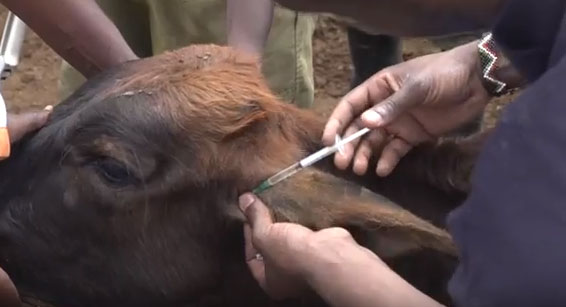
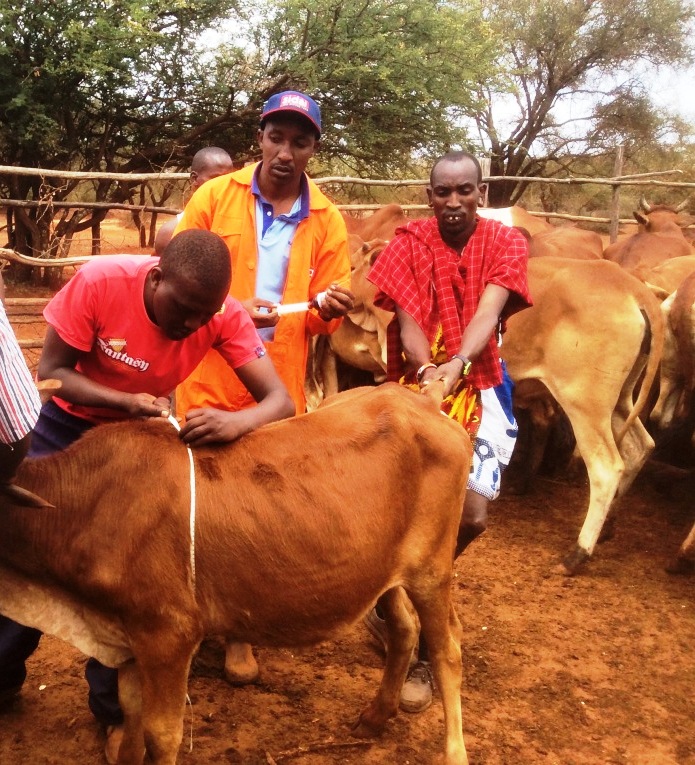
In Tanzania, where livestock is a key source of income and food, tick infestations are known to cause weight loss, lower milk production, and animal deaths, particularly in pastoralist communities.
The situation is worsened by inadequate veterinary infrastructure, poor public awareness, and limited access to effective vaccines or treatments.
These gaps leave Tanzania’s rural populations especially vulnerable, with some areas facing a cycle of poverty and undernourishment due to recurring animal disease outbreaks.
Human health at risk
The threat isn’t limited to animals. Tick-borne pathogens such as those causing Crimean-Congo Hemorrhagic Fever (CCHF) and Rift Valley Fever (RVF) – which have already appeared in East Africa – pose serious risks to human health. The report emphasizes that increased contact between wildlife, livestock, and people, especially in farming and grazing zones, could escalate human infections.
The health impacts include fever, organ failure, neurological complications, and in some cases, death.
The lack of diagnostic infrastructure means that many cases go unreported or are misdiagnosed, further complicating public health responses.
What Tanzania must do
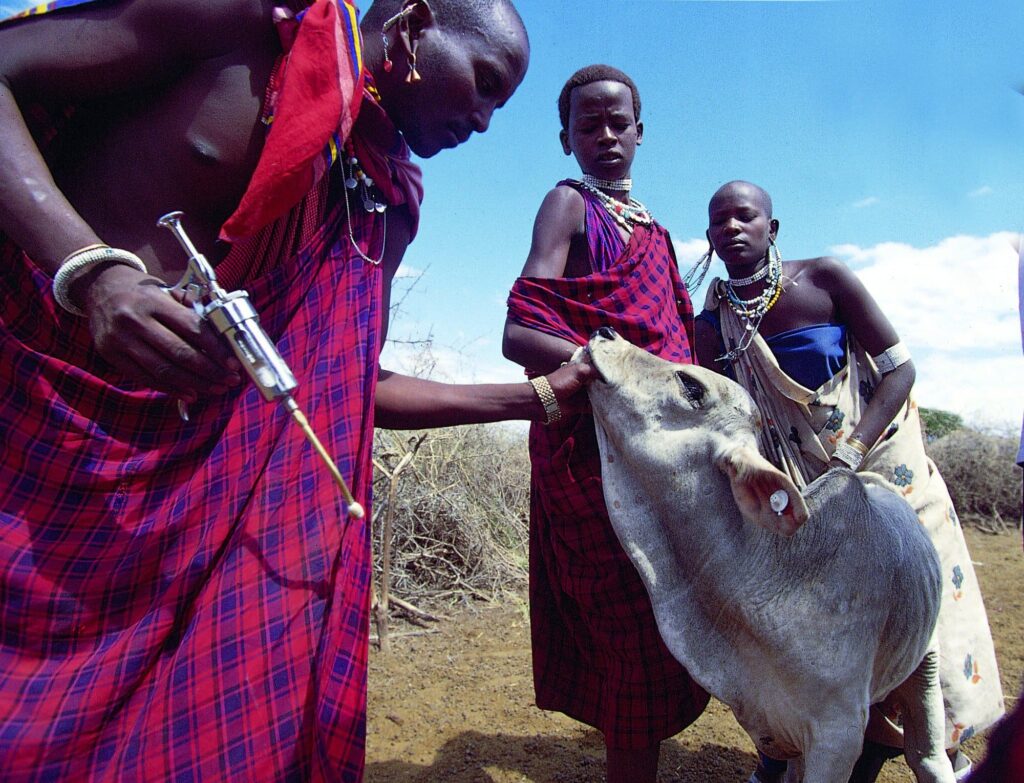
The study calls for a One Health approach – a strategy that integrates human, animal, and environmental health policies – to mitigate the spread and severity of TBDs.
Cross-border cooperation is also essential, especially in the East African Community (EAC), where livestock mobility and trade can facilitate the spread of infected ticks and pathogens.
Economic and food security implications
The findings carry major implications for Tanzania’s food security and agricultural development.
Livestock diseases reduce the availability of milk, meat, and other animal products – undermining nutrition and livelihoods in rural areas.
At a national scale, the cumulative cost of treating animals, replacing livestock, and lost productivity weighs heavily on both household incomes and the national economy.
The report highlights that countries like Uganda already lose over US$ 1 billion annually due to TBDs – a warning sign for Tanzania if preventive action is delayed.
As environmental changes continue to expand the range of ticks and the diseases they transmit, Tanzania faces a ticking time bomb.
Without strategic investments in health systems, veterinary care, and regional partnerships, the impacts on agriculture, public health, and economic development could be severe. The findings are a wake-up call: mitigating tick-borne diseases is not just about animal health – it’s about national resilience.