By Business Insider Reporter, Moshi
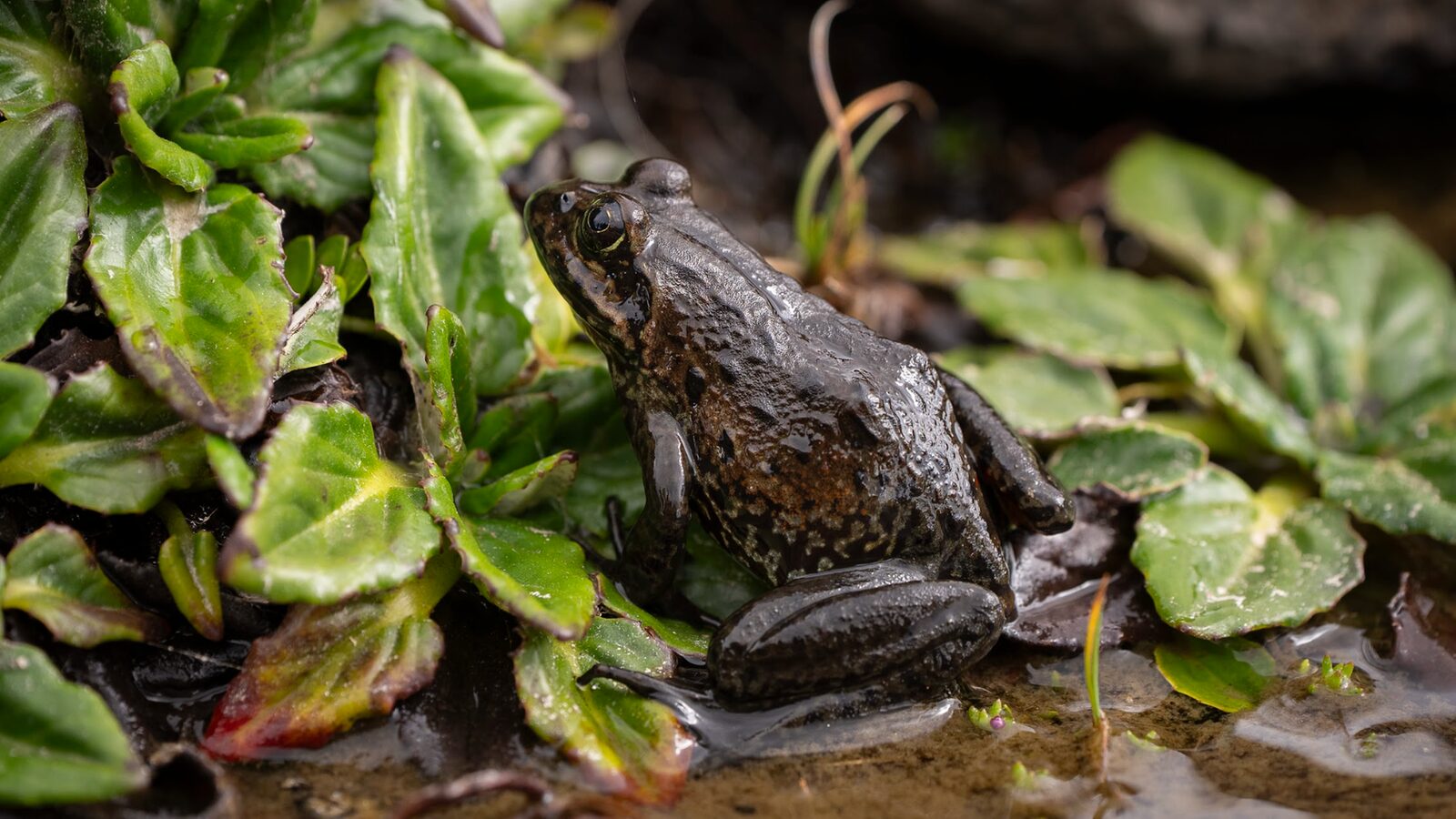
A groundbreaking discovery has put Tanzania once again on the global scientific map – Africa’s highest-living frog species has been found on Mount Kilimanjaro at a staggering altitude of 4,000 metres, challenging long-held beliefs about amphibian life on the continent.
The discovery was made in June 2024 by local tour operator Altezza Travel, during one of their guided climbs up Kilimanjaro.
Initially considered a curious observation, the sighting triggered a full-scale scientific expedition in collaboration with the Tanzania Wildlife Research Institute (TAWIRI).
Leading the research was renowned amphibian expert Professor Alan Channing from North-West University, South Africa, who confirmed that until now, no frog species had ever been recorded at such altitudes anywhere in Africa.
Previously, scientists believed frogs could not survive above 3,000 metres due to cold temperatures and lack of suitable habitats.
DNA testing confirms rare discovery
Between February 20 and 25, 2025, a dedicated research team explored river systems on Mount Kilimanjaro between elevations of 3,500 to 4,000 metres.
They successfully located several frog specimens and collected DNA samples, which were later tested in South Africa.
The results were surprising: the frogs belonged to the Amietia wittei species, a little-known frog previously thought to inhabit only lower elevations.
This discovery proves that the species can adapt and survive in extreme high-altitude environments, opening new doors for research into amphibian resilience and climate adaptation.
Centre of conservation research
Altezza Travel, based in Moshi, fully funded the expedition – covering costs related to DNA sampling, lab tests, travel, and on-the-ground logistics.
The company provided everything from high-altitude porters and guides to oxygen tanks and food supplies, ensuring the team could carry out their work in Kilimanjaro’s harsh conditions.
“This remarkable find shows just how little we still know about the biodiversity of our mountains,” said Dmitrii, a member of the expedition team. “It also reminds us of how important it is to protect Kilimanjaro’s fragile ecosystems.”
The frogs are now under study to understand potential threats to their survival, including water pollution from dishwashing chemicals used by porters, declining water levels due to climate change and predation from high-altitude birds
These issues are especially urgent in a climate-sensitive area like Kilimanjaro, where ecosystems are already under pressure from rising tourism, warming temperatures, and habitat disturbance.
Why this matters for Tanzania
This discovery is a major boost for Tanzania’s scientific and environmental reputation.
It reinforces the importance of Mount Kilimanjaro as not only a global tourism icon but also a key biodiversity hotspot.
The findings are expected to contribute to new conservation policies and further research on high-altitude species.
It also highlights the role local companies like Altezza Travel can play in supporting environmental science and sustainable tourism.
The company has become known for its eco-conscious operations and close partnerships with scientists working to protect Tanzania’s natural heritage.
About Altezza Travel
Altezza Travel is one of Tanzania’s leading Kilimanjaro expedition companies, known for its commitment to sustainable tourism and conservation. The company regularly supports research projects and environmental initiatives, aiming to ensure that future generations can enjoy the beauty and biodiversity of Tanzania’s wild spaces.