By Business Insider Reporter
Tanzania’s tourism industry – a vital pillar of the national economy – is facing growing uncertainty following a 47% cut in the budget allocated to the Ministry of Natural Resources and Tourism for the 2025/26 financial year.
The move comes at a time when the sector is delivering record revenues and outperforming other regions in East Africa.
The budget reduction, from TSh596.1 billion (€192.5 million) in 2024/25 to TSh317.4 billion (€102.4 million) in 2025/26, has drawn sharp criticism from industry players, conservationists and economists.
The Tourism Confederation of Tanzania (TCT) expressed “deep shock and disappointment,” warning that the decision jeopardises the sustainability of ecosystems that underpin the country’s tourism competitiveness.
According to the Bank of Tanzania, tourism revenues reached an all-time high of US$3.8 billion in the financial year ending April 30, 2025.
The growth was fuelled by an over 10% year-on-year increase in international tourist arrivals, which rose to more than 2.1 million visitors – reaffirming tourism’s role as one of Tanzania’s top foreign exchange earners and job creators.
Despite these gains, the dramatic cut in funding is seen as contradictory to the government’s own policy framework. Under Tanzania’s Third Five-Year Development Plan (FYDP III), tourism is designated as a transformative sector expected to drive rural development, youth employment, and green economic growth.
“This budget cut undermines the very ecosystems and cultural heritage that generate these revenues,” said TCT in a statement, urging the government to elevate the sector strategically rather than marginalise it fiscally.

Budget cuts raise long-term risks
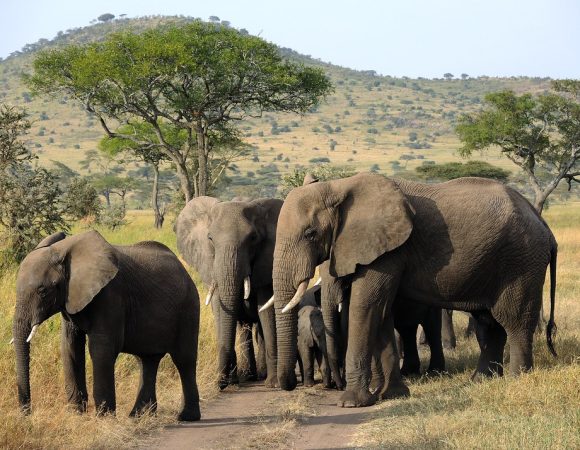
The TCT highlighted that nature-based tourism contributes over 70% of the country’s total tourism product. The reduced allocation, according to the confederation, could severely affect:
- Park infrastructure and management
- Anti-poaching and conservation enforcement
- Destination marketing and competitiveness
- Community-based tourism and local benefit-sharing
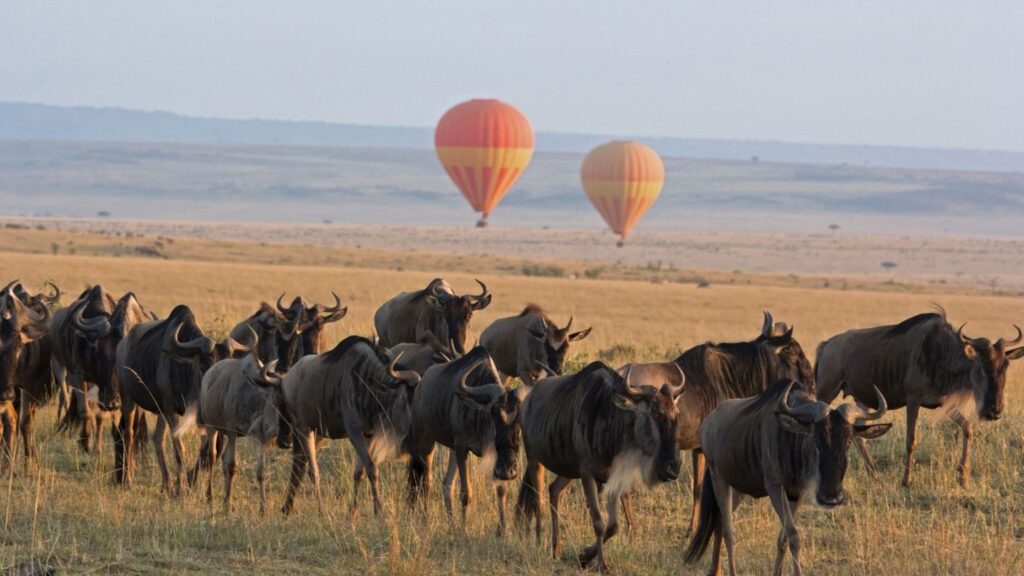
“There’s a real risk that Tanzania could lose ground to regional competitors like Kenya, Rwanda, and Namibia, all of whom are increasing investment in protected area management and climate-resilient infrastructure,” the TCT warned.
The cut is also being viewed in the broader context of East Africa’s strong economic performance, as outlined in the African Trade and Economic Outlook 2025 by Afreximbank.
While East Africa leads the continent with a real GDP growth of 4.4%, Tanzania has been among the top contributors, with tourism playing a major role in foreign currency inflows, employment, and cross-sector linkages.
Concerns over new levies
Adding to industry frustration is the recent introduction of a US$44 mandatory travel insurance fee for non-residents. Stakeholders argue that such new charges are being rolled out without matching reinvestment into the very attractions that draw tourists to the country.
The TCT further criticised the lack of transparency in how revenues from the Tourism Development Levy – 50% of which is allocated to the Ministry – are being used.
“There’s no clear mechanism to ensure these funds are reinvested into frontline conservation or tourism infrastructure,” the organisation said.
Proposed solutions
In response, the TCT has proposed several measures to protect the tourism sector’s long-term viability by establishing a National Conservation Trust Fund, financed by 3–5% of annual tourism earnings – potentially generating over US$150 million per year.
Also implementing of a performance-based disbursements to districts and communities with strong conservation records.
The organisation also suggests strengthening of transparent reinvestment systems to track how levies and fees are spent on the ground.
“Failure to act risks not only ecosystem degradation and lost economic opportunity but also reputational harm to Tanzania’s standing as a premier nature and cultural destination,” TCT warned.
Growth undermined by austerity
As East Africa leads Africa’s economic resurgence – and as Tanzania posts strong trade and tourism performance – the decision to drastically slash the tourism budget appears increasingly out of step with the country’s development ambitions. Observers say the move could prove costly, not only in economic terms but also in Tanzania’s ability to maintain its competitive edge in an increasingly sophisticated and sustainability-conscious global tourism market.