By Business Insider Reporter
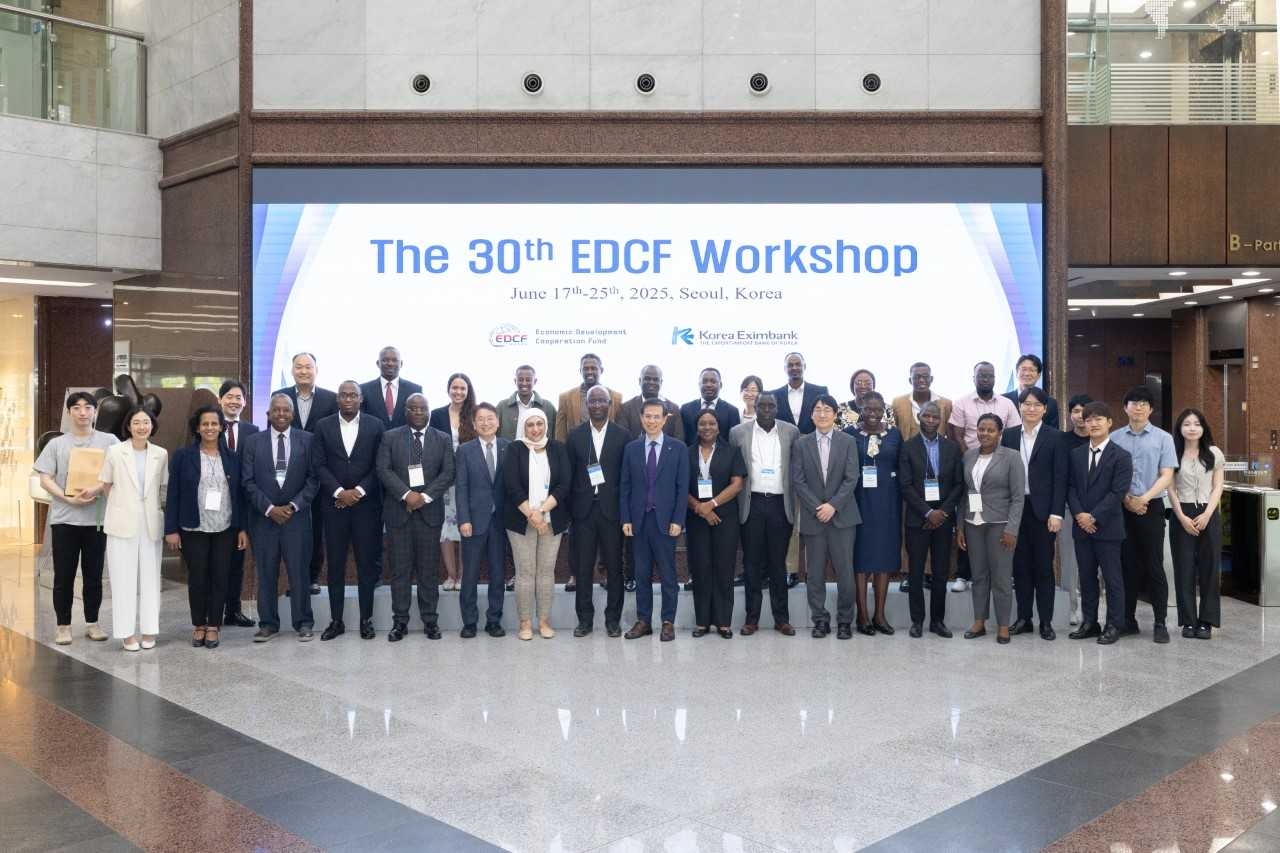
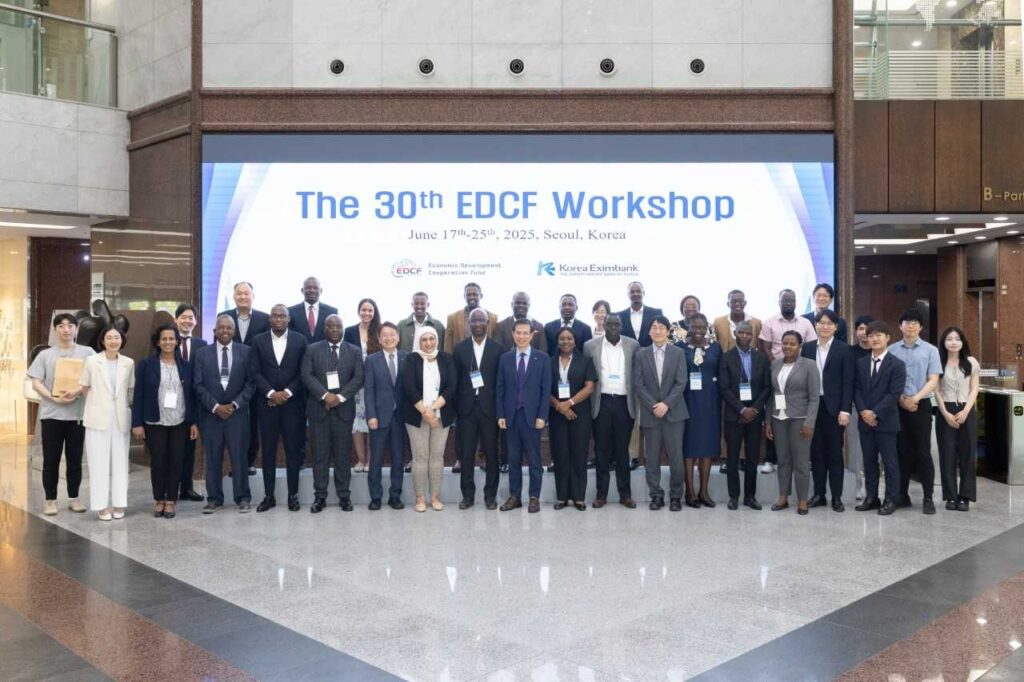
Tanzania is among 10 African nations represented at the 30th Economic Development Cooperation Fund (EDCF) Workshop, which began early last week in South Korea.
Hosted by the Export-Import Bank of Korea (Eximbank) in collaboration with the Ministry of Economy and Finance, the annual event is designed to deepen economic cooperation and development financing between Korea and the African continent.
The EDCF is a South Korean government initiative that provides long-term, low-interest loans to developing countries under its official development assistance (ODA) framework.
Objectives of the gathering
It aims to support sustainable economic growth in partner countries while fostering strategic bilateral partnerships.
Eximbank manages the fund and facilitates knowledge exchange through initiatives like the EDCF Workshop.
This year’s gathering is particularly significant as it follows the inaugural Korea-Africa Summit held in Seoul in June 2024.
The summit laid the groundwork for greater cooperation in areas such as infrastructure, digital economy, and green energy under the theme “The Future We Make Together: Shared Growth, Sustainability, and Solidarity.”
Tanzania’s participation in the workshop underscores its growing ties with South Korea. In recent years, Tanzania has actively pursued stronger economic engagement with the East Asian economic giant, particularly in technology, infrastructure development, and education.
Notably, South Korean firms have shown increased interest in Tanzania’s energy, ICT, and transportation sectors, recognizing the country as a strategic gateway to the Great Lakes market.
Deepening economic ties
South Korea’s investment and trade with Tanzania have grown significantly in recent years, driven by both government-led development cooperation and private-sector interest.
These expanding ties reflect a shared focus on infrastructure, digital transformation, and strategic resources.
In June 2024, Tanzania and South Korea signed a landmark Economic Development Cooperation Fund (EDCF) framework agreement valued at US$2.5 billion.
This financing package, to be disbursed over five years (2024–2028), is structured as low-interest, long-term loans.
The funds are earmarked for transformative projects in infrastructure development, the blue economy, strategic minerals, and aviation, highlighting Korea’s commitment to supporting Tanzania’s development agenda.
This agreement builds on earlier EDCF-backed initiatives that have helped finance critical upgrades to Tanzania’s energy distribution networks and supported urban development efforts in Dar es Salaam. The partnership is also advancing in the digital space.
In 2022, the two countries signed a cooperation agreement focused on information and communications technology (ICT), designed to accelerate digital transformation in Tanzania by leveraging South Korea’s global leadership in technology.
Investment growth
Private-sector investment is also gaining momentum. South Korean industrial giant POSCO has committed at least US$40 million to Tanzania’s Mahenge graphite mining project.
This investment includes a strategic equity stake and long-term offtake rights, underscoring Korea’s growing interest in securing access to critical minerals essential for its battery and technology industries.
Trade between the two countries has expanded but remains heavily imbalanced in favour of South Korea.
In 2022, the total bilateral trade volume reached approximately US$410 million.
Tanzanian exports to Korea were valued at US$66 million, consisting mainly of raw materials such as tobacco and copper ore.
In contrast, South Korea exported goods worth US$344 million to Tanzania, including refined petroleum, industrial machinery, and medical equipment. This resulted in a trade imbalance of US$278 million in Korea’s favour.
Economic diplomacy experts contend that as economic cooperation continues to evolve, Tanzania stands to benefit from increased development financing, access to advanced technologies, and strategic investments. However, addressing the trade imbalance remains a key challenge.
To fully capitalize on this partnership, they argue, Tanzania must diversify its exports, enhance local value addition, and strengthen trade facilitation efforts with South Korea.
Charting the next phase
“This workshop provides an opportunity to gain a deeper understanding of EDCF’s support strategy and cooperation plans for Africa,” said Dereje Wodajeneh, head of the bilateral cooperation department at Ethiopia’s Ministry of Finance. “It will serve as a stepping stone for strengthening exchanges and cooperation between EDCF and the African continent.”
Currently, about 25% of the EDCF’s total global support is directed toward Africa, reflecting the continent’s growing importance in South Korea’s development and trade policies.
According to Eximbank, future support will prioritize energy transition, digital transformation, and supply chain resilience – areas where Tanzania stands to benefit significantly.
Throughout the week-long event, delegates – including Tanzania’s government officials – will engage in site visits and policy briefings, including stops at the Korea Railroad Corporation and the Global Knowledge Exchange and Development Center.
These activities are designed to deepen participants’ understanding of Korea’s development financing model and explore areas for tailored cooperation. The workshop concludes on June 25, with expectations high for more targeted, mutually beneficial initiatives between Korea and its African partners, including Tanzania.