By Business Insider Reporter
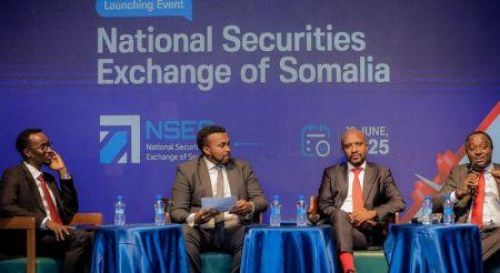
In a landmark move with potential ripple effects across the East African financial landscape, Somalia has launched its first-ever stock exchange, the National Securities Exchange of Somalia (NSES).
The new bourse, headquartered in Mogadishu, is slated to begin operations in early 2026 and will trade both stocks and sukuk (Islamic bonds).
This milestone signals not only a major step in Somalia’s post-conflict economic recovery, but also opens new doors for East African capital market integration—a goal long pursued by regional financial and political institutions.
What this means for East Africa
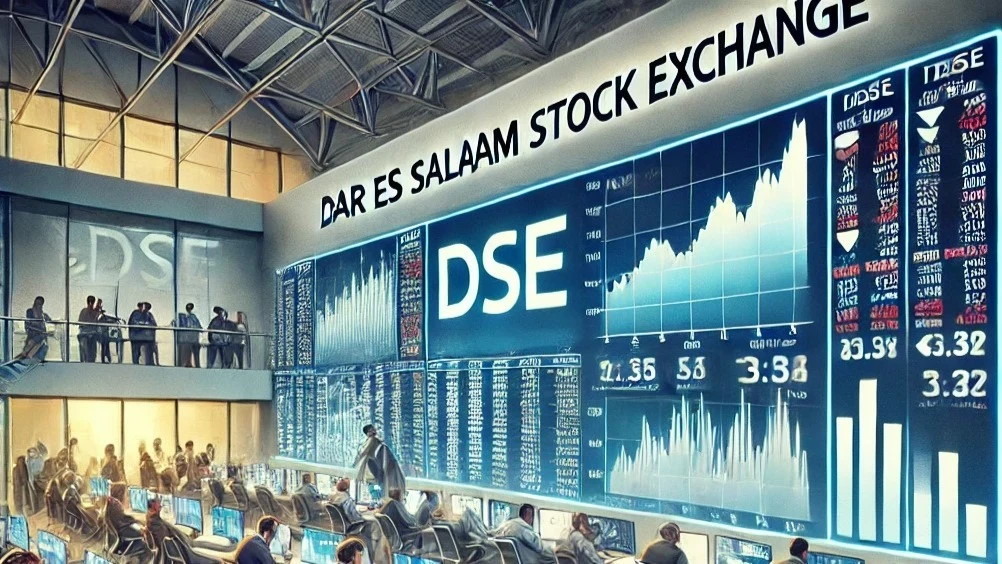
With NSES joining the East African Stock Exchanges Association (EASEA), the region now counts six active exchanges: Kenya (NSE), Uganda (USE), Tanzania (DSE), Rwanda (RSE), Burundi (BRB), and now Somalia.
This expands the geographic and economic reach of East Africa’s capital markets and sets the groundwork for cross-border listings, bond issuances, and fintech collaboration.
Financial experts see this as a potential stepping stone toward the long-anticipated East African Capital Markets Integration (EACMI) framework, which aims to harmonise trading, settlement, and regulatory systems across the region.
Diaspora-driven capital flows
NSES is uniquely positioned to attract Somalia’s vast diaspora – particularly in the UK, US, Turkey, Norway and Kenya – whose remittances already account for over 20% of Somalia’s GDP.
By providing formal investment channels, the new exchange could redirect part of this capital into structured equity and debt instruments, reducing reliance on informal cash flows.
Boosting Islamic finance in East Africa
NSES’s emphasis on sukuk (Sharia-compliant bonds) is expected to deepen Islamic finance in the region.
While Kenya and Tanzania have made strides in accommodating Islamic banking, Somalia’s entry with a dedicated Islamic capital market instrument provides new momentum for regional Islamic investment products.
Sukuk issued through NSES will likely fund critical infrastructure projects – roads, energy, education – which not only fuels Somalia’s development but creates long-term investment opportunities for regional institutional investors, including pension funds and insurance firms.
Opportunities for regional firms
Regional firms in telecom, real estate, fintech, logistics, and agriculture may now look to Somalia as a viable expansion frontier – using the stock exchange as an entry point for joint ventures, acquisitions, and listings.
NSES also offers new opportunities for brokerage firms, asset managers, and advisory services from East Africa to expand their footprints into Somalia’s untapped market.
Building trust, stability and literacy
To ensure success, Somalia’s Central Bank has pledged regulatory oversight and support.
Financial education campaigns will target local investors and the diaspora to build trust in a country where formal financial systems are still gaining traction after decades of instability.
“We aim to create a financial system that is stable, inclusive, and aligned with international standards,” said Ali Yassin Sheikh Ali, Deputy Governor of the Central Bank of Somalia.
Regional implications
Somalia’s move comes amid a broader continental momentum toward intra-African capital mobilisation, driven by the African Continental Free Trade Area (AfCFTA).
With a functioning stock exchange, Somalia joins a club of nations positioning themselves as regional financial gateways. In this context, NSES is not just a domestic achievement; it’s a regional asset that reinforces East Africa’s collective ambition to build deeper, more resilient capital markets capable of funding local development without over-reliance on external aid or debt.