By Business Insider Reporter
Tanzania’s opposition party ACT Wazalendo has issued a scathing analysis of the 2025/26 national budget, branding it as “a budget of deception” that favours elite interests over grassroots economic empowerment.
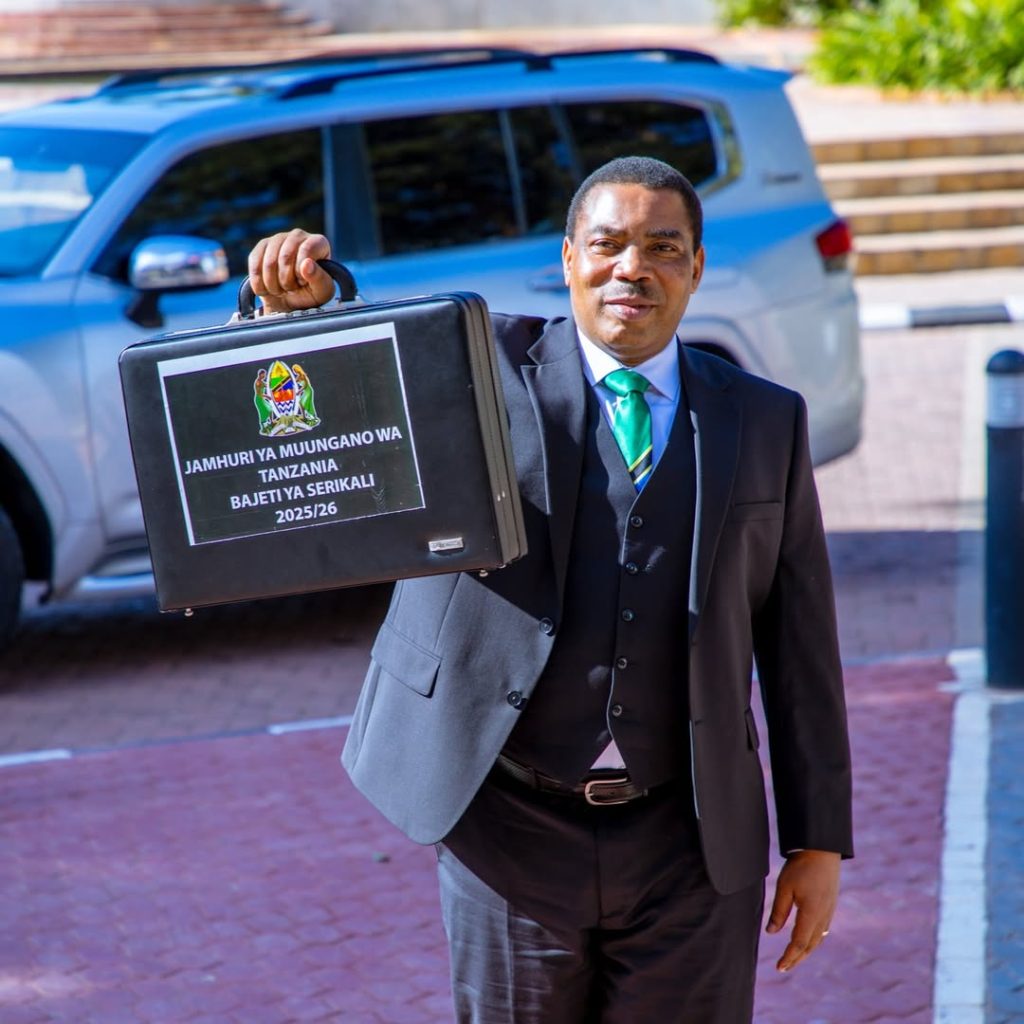
In a comprehensive 52-page review titled Bajeti ya Ulaghai – meaning deceptive budget – the party claims the government’s fiscal strategy under Finance Minister Dr. Mwigulu Nchemba continues to deepen economic hardship for ordinary Tanzanians while prioritising debt repayment, administrative overheads, and business tycoons.
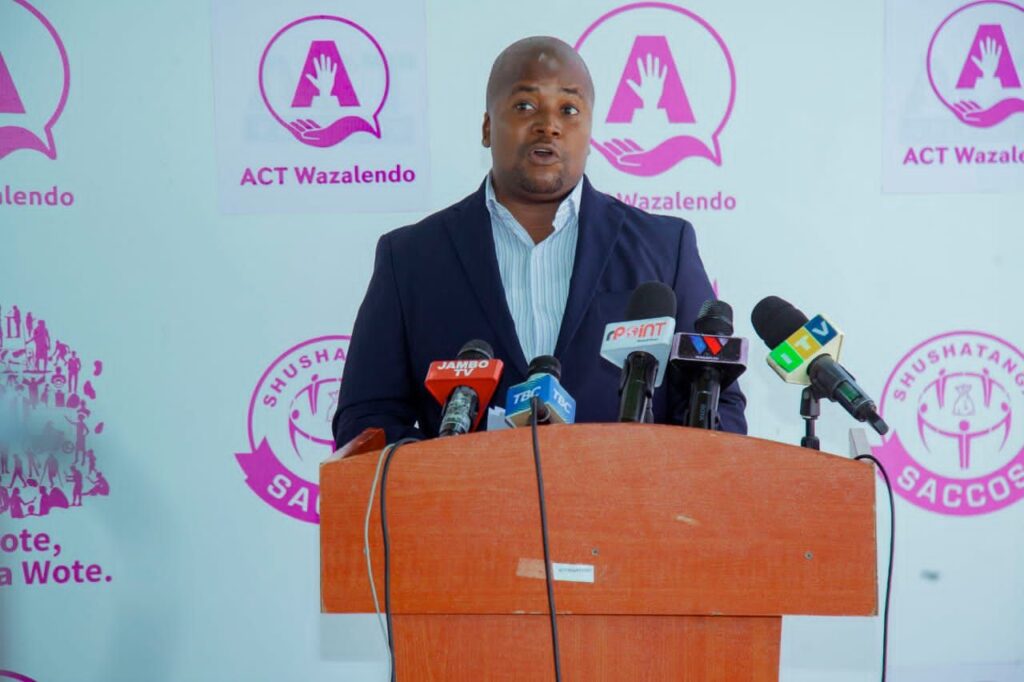
According to the Shadow Prime Minister, Ishaka Mchinjita, who tabled the analysis, the 56.49 trillion shillings budget, tabled in Parliament on June 12, 2025, marks the fifth under President Samia Suluhu Hassan and the ruling Chama Cha Mapinduzi (CCM) since 2021.
But, ACT Wazalendo argues that despite promising rhetoric, the budget perpetuates systemic inequality and fails to meaningfully address the rising cost of living, poor public services, and stagnation in agriculture, employment, and health.
Budget Structure: Misplaced Priorities?
According to ACT’s analysis, 69% of the 2025/26 budget – equivalent to TSh 38.99 trillion – is earmarked for salaries, government operations, interest on debt and administrative expenses.
Only TSh 17.49 trillion (31%) will be allocated to development projects such as roads, schools, health centres, and agriculture.
“For every 1,000 shillings spent, 700 go to bureaucracy, and only 300 are left for development,” Mchinjita notes.
Even more worrying, ACT notes, is that of the TSh 40.46 trillion the government aims to collect domestically, nearly all will be consumed by recurrent expenditure and debt servicing, leaving just TSh 1.47 trillion in actual internal development spending.
“This means Tanzania is running on loans,” ACT says, raising concern over the sustainability of debt-driven growth.
Missed opportunity
At a time when global inflation, fuel prices and food insecurity have battered household budgets, Mchinjita says the 2025/26 budget falls short of providing relief.
It points to stagnation in key social sectors – including education, health and clean water access – as evidence of misplaced priorities.
For instance, he says, while public schools face a deficit of 279,000 teachers and over 95,000 classrooms, the budget allocates only TSh 58.2 billion to build 6,357 classrooms – a drop in the ocean.
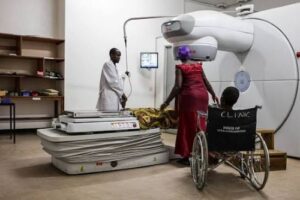
The health sector also continues to struggle with shortages of medicine, equipment, and personnel. Tanzania has only 126,925 health workers out of the required 348,923, and this year’s budget fails to earmark new hiring.
Healthcare financing, ACT argues, remains heavily dependent on out-of-pocket payments.
The party advocates for a universal social health insurance model funded progressively, enabling every Tanzanian to receive treatment based on need, not wealth.
Ballooning debt and fiscal fragility
The party expresses alarm over the surge in public debt, which hit TSh 107.7 trillion by April 2025 – up from TSh 91.7 trillion a year earlier.
The debt-to-GDP ratio stands at 40.3%, edging closer to the 55% threshold that development lenders consider high-risk. More than TSh 14.2 trillion, or 25% of the budget, will go to servicing this debt.
“This is the fastest debt accumulation since independence,” Mchinjita notes, warning of the long-term impact on national sovereignty and fiscal space.
The party criticises the government’s inaction in strengthening the shilling and reducing import dependency, especially on fertilisers, steel, and petroleum.
Agriculture and rural economy neglected
Despite agriculture employing 65% of the population and contributing 26.7% of GDP, ACT says the budget allocates only TSh 1.2 trillion (2.1%) to the sector – far below the Maputo Declaration’s 10% target.
The party cites the collapse in production of key export crops like cotton and sisal as evidence of policy neglect.
Furthermore, the budget introduces new fees and taxes that ACT warns could undermine smallholder farmers and agro-industries. The absence of a stable taxation framework is also seen as a disincentive to invest in rural agriculture.
Job Creation: A statistical mirage?
ACT questions government claims that 8 million jobs have been created since 2020, noting that the National Bureau of Statistics (NBS) reports only 3.7 million people are formally employed.
The opposition demands a clear, sector-by-sector breakdown of these figures and calls for a realistic employment strategy with measurable targets.
The party lists several new levies in the 2025/26 budget – including taxes on fuel, transport tickets and micro-businesses like event hosts and cake decorators – as regressive and punitive.
“These fees stifle innovation and entrepreneurship,” says Mchinjita.
While the government has reduced import duty on clinker to lower cement prices, ACT fears this could harm domestic producers who rely on local gypsum, coal, and iron.
The move, they say, contradicts efforts to promote local content and industrialisation.
Electoral budgeting
ACT also warns against the misuse of nearly TSh 1 trillion allocated to the 2025 general election. With TSh 741 billion already spent and an additional TSh 378 billion planned, the party insists these are public funds, not party assets. “The budget must not be used to rig elections or undermine democracy,” the report states.
Pension reform concerns
On social security, ACT blasts the continued use of the unpopular 2018 pension formula that slashes retirees’ lump sum payments.
It calls for a return to the 1/540 formula, payment of all pre-1999 arrears to the PSSSF, and fair treatment for both public and private sector workers.
ACT Wazalendo concludes that the 2025/26 budget will intensify poverty and inequality unless drastically revised. “This is not a budget for the people; it is a budget for the elite,” the party says, calling for policies that support inclusive growth and social justice. As the country approaches a decisive election year, the debate around fiscal priorities is likely to shape both economic direction and political discourse in Tanzania. For now, ACT’s bold critique sets the stage for a contest not just for votes, but for the soul of Tanzania’s economic future.