By Business Insider Reporter
As the world celebrates Sickle Cell Day the World Health Organization (WHO) has released a new report which is expected to revolutionise the management of the cell disease (SCD) during pregnancy, childbirth and postnatal care.
The guideline, according to health experts, provides hope for countries like Tanzania where the disease remains a major public health burden.
The “WHO Recommendations on the Management of Sickle-Cell Disease During Pregnancy, Childbirth and the Interpregnancy Period,” launched this year, offers the first global clinical framework specifically tailored to the needs of women with SCD – especially those in low- and middle-income countries (LMICs) like Tanzania.
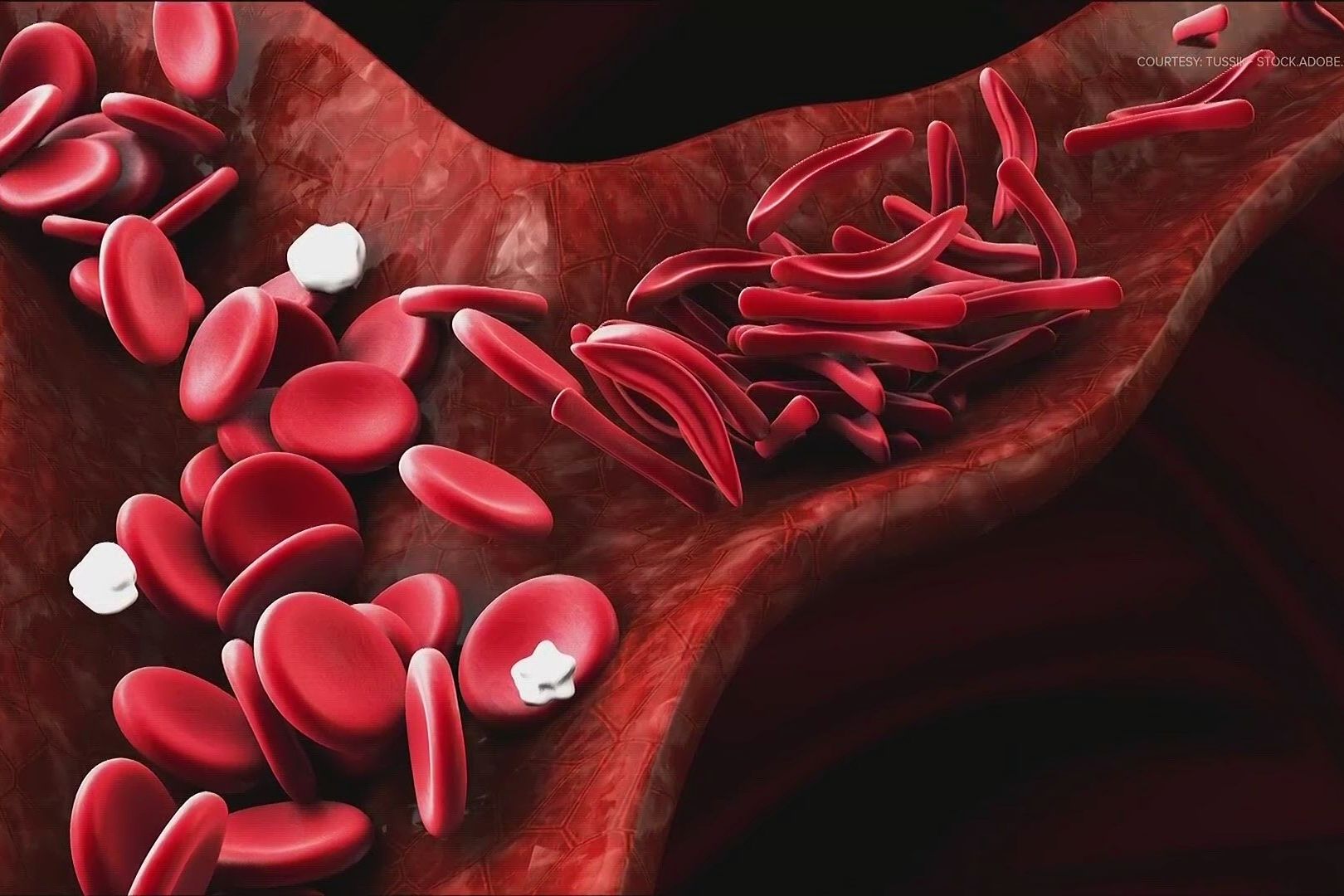
Sickle-cell disease is one of the most prevalent inherited blood disorders in Tanzania and sub-Saharan Africa.
It contributes significantly to maternal and infant mortality. According to the WHO, maternal deaths are four to eleven times more likely in women with SCD than in those without – a disparity that becomes even more severe in resource-constrained settings.
A game changer for Tanzania
The WHO guidelines aim to close this gap by offering 21 targeted clinical recommendations, including guidance on folic acid and iron supplementation, pain and fluid management, fetal monitoring and thromboprophylaxis. They emphasise a multidisciplinary, life-course approach – involving obstetricians, haematologists, midwives and psychologists – to improve both survival and quality of care for pregnant women with SCD.
For Tanzania, where most cases are treated symptomatically and often too late, these guidelines offer an opportunity to shift towards proactive, evidence-based care.
“This is the missing link in our maternal health policy,” said a senior official from the Ministry of Health. “We now have global consensus on what works and what systems we must strengthen.”
Supporting Tanzania’s health vision
The recommendations also align with Tanzania’s efforts to reduce maternal mortality and improve newborn outcomes under the Health Sector Strategic Plan V (2021–2026). Integration of SCD care into antenatal and postnatal services will help meet Sustainable Development Goals and the country’s national health priorities.
Moreover, the guidelines call for improved access to folic acid and essential medicines, emphasising the importance of equipping frontline healthcare workers with tools and knowledge tailored to local realities.
This is crucial in Tanzania’s rural and semi-urban health facilities, where health personnel often lack training in managing complex chronic conditions during pregnancy.
Tackling stigma and inequity
Importantly, WHO addresses the social stigma that continues to marginalise people with SCD.
In Tanzania, many affected women face discrimination in accessing reproductive healthcare, often due to misconceptions about the genetic nature of the disease. The guidelines advocate for culturally sensitive community engagement to improve understanding and support for affected families.
What comes next
The challenge now is implementation. WHO urges national governments and partners to adapt and disseminate the guidelines through training, policy updates and public education.
With donors already active in Tanzania’s maternal and child health space, this creates a ripe opportunity for integration into ongoing programmes.
Dr. Doris Chou of the WHO, who oversaw the guideline development process, said the recommendations are especially intended for countries like Tanzania.
“Our goal is to ensure no woman with sickle-cell disease dies simply because she became pregnant,” she noted. As Tanzania works to universalise healthcare coverage, these recommendations offer a powerful roadmap to save lives – and restore dignity – for thousands of women living with sickle-cell disease.