By Business Insider Correspondent, Simiyu
The government has spent more than TSh 107.36 billion to bring electricity to all 474 villages in the Simiyu region, marking a major milestone in rural electrification under President Samia Suluhu Hassan’s administration.
This was revealed today by the Deputy Minister for Energy, Judith Kapinga, as she delivered an assessment of electricity access and clean cooking energy progress in Simiyu, during the conclusion of President Samia’s official working tour of the region.
“Now that electricity has reached all villages, the government is moving to connect hamlets. We are currently implementing projects in 638 hamlets out of 1,408 total hamlets in Simiyu,” said Kapinga.
Strengthening grid infrastructure
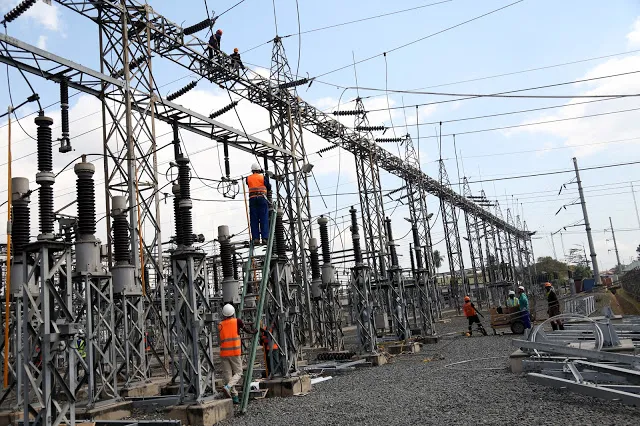
In addition to expanding access, the government plans to construct a new power substation in Simiyu under the National Grid Strengthening Project.
Kapinga noted that Simiyu currently receives electricity from three neighbouring regions: Shinyanga, Mwanza and Mara, which limits supply stability.
The proposed substation is expected to significantly improve the quality and reliability of power supply across the region, supporting both domestic and industrial energy demands.
The grid upgrade will comprise two major components namely construction of a transmission line from Ibadakuli in Shinyanga to Bariadi, valued at TSh 48 billion and development of a new power substation in Bariadi, to cost TSh 49 billion.
Once complete, the new infrastructure will boost Simiyu’s electricity capacity to 150 megawatts, a move expected to enhance local economic activities and attract investment.
“This project is vital for industrial growth, value addition in agriculture, and improved social services,” Kapinga explained.
Clean cooking energy progress
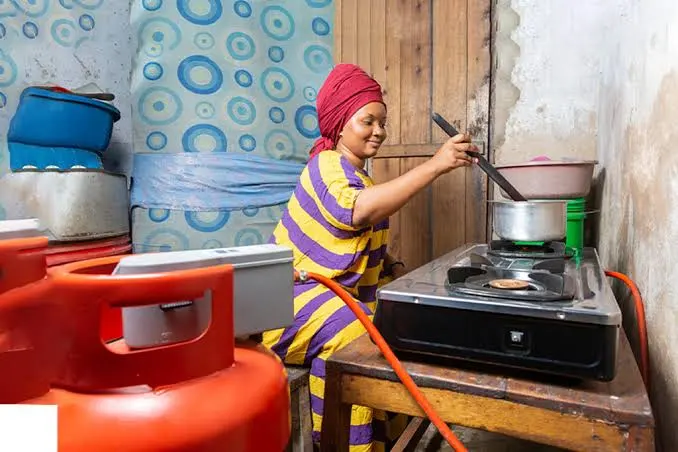
In a parallel effort to promote clean energy and reduce dependency on charcoal and firewood, Kapinga announced that 16,275 subsidised gas cylinders have already been distributed to households across Simiyu.
The initiative, part of the Pika Smart Campaign launched by the Ministry of Energy, aims to accelerate the adoption of clean cooking solutions by making liquefied petroleum gas (LPG) more affordable for low-income families.
The region-wide uptake of LPG is seen as crucial in addressing respiratory health challenges, reducing deforestation, and aligning Tanzania with the global transition to sustainable energy use.
National context
Tanzania’s push to electrify rural areas and promote clean cooking aligns with National Development Vision 2025 and the Sustainable Development Goals (SDGs), particularly: Goal 7: Affordable and Clean Energy; Goal 3: Good Health and Well-being and Goal 13: Climate Action.
According to the Rural Energy Agency (REA), Tanzania has increased rural electricity access from 7% in 2010 to over 80% in 2025, with a target to reach universal access by 2030.
Simiyu’s progress is a case study in how government investment, donor-backed grid projects, and behavioural change campaigns can work together to transform communities and unlock inclusive growth. As electrification continues to expand into hamlets and clean energy gains traction, Simiyu is poised to become one of Tanzania’s most energy-resilient and environmentally conscious regions.