By Business Insider Reporter
Over the last decade, the African Development Bank (AfDB) has quietly evolved into Tanzania’s most influential and strategic development partner, funneling billions of dollars into high-impact infrastructure and energy projects that are reshaping the country’s economic geography.
At the heart of this transformation is Dr. Akinwumi Adesina, the outgoing AfDB President, whose 10-year tenure at the helm of the continental major lender has left a lasting imprint on Tanzania’s development trajectory. From road corridors and airports to power grids and regional railways, AfDB-backed investments have aligned seamlessly with Tanzania’s vision of inclusive, sustainable growth.
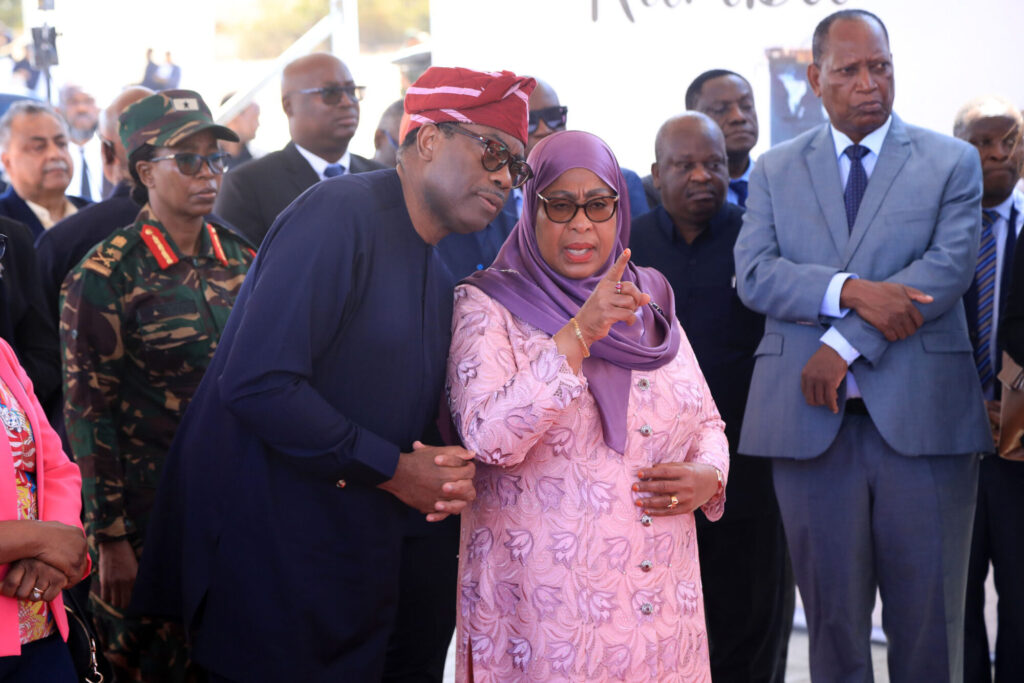
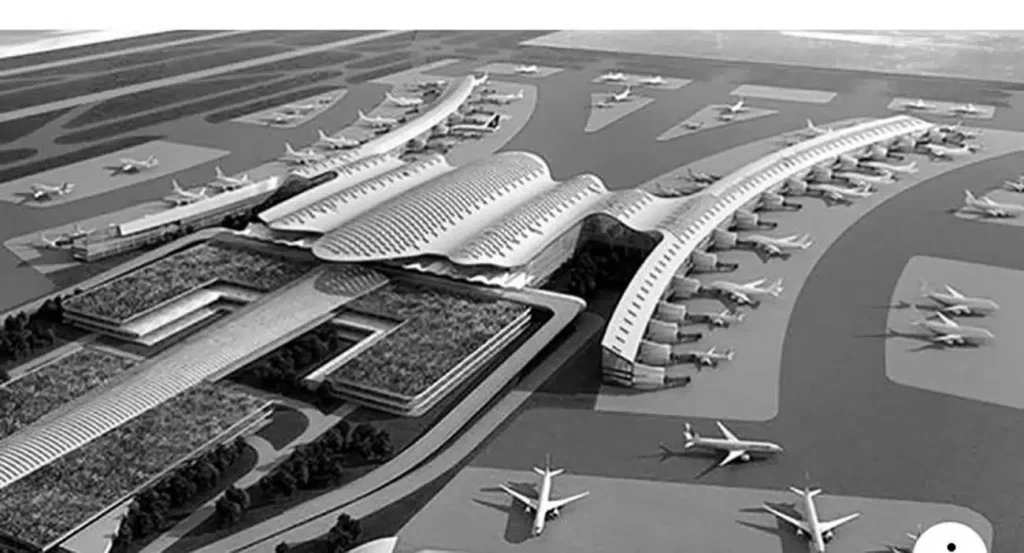
This alignment was powerfully acknowledged by President Samia Suluhu Hassan during her recent tour of two flagship projects – the Dodoma Outer Ring Road and Msalato International Airport – both financed by the AfDB under concessional terms.
“His time as AfDB President brought real advantages, helping transform economies and societies not only in Tanzania but throughout the continent,” President Samia said.
In a rare move, she authorised the naming of the Dodoma Outer Ring Road after Dr. Adesina, cementing his legacy in Tanzania’s capital.
Strategic financing that moves markets
Tanzania’s development strategy hinges on opening up its hinterland, decentralising economic activity beyond Dar es Salaam, and positioning Dodoma as an administrative and commercial hub.
AfDB support has been central to this shift.
The bank has committed over US$ 2.5 billion (TSh 6.62 trillion) to Tanzania’s infrastructure development in recent years, with a focus on transport, energy, and agriculture. Major allocations include US$ 272 million for Msalato International Airport; TSh 89.89 billion for Dodoma Outer Ring Road; Funding for key national highways, including Nyakanazi–Kasulu and Mtwara–Masasi and support for rail corridors like Tabora–Kigoma–Uvinza, linking Tanzania to landlocked neighbours and boosting cross-border trade.
These projects are more than concrete and asphalt – they are growth enablers, designed to reduce transport costs, increase regional connectivity, and attract private sector investment.
“We are building the foundation of a regional logistics economy,” said Eng. Aloyce Nsume, an infrastructure policy analyst. “AfDB’s concessional financing gives Tanzania the fiscal space to focus on productivity-enhancing assets.”
Bankable projects, backed by stability
One reason for the AfDB’s outsized role in Tanzania is the country’s reputation for macroeconomic discipline and project delivery.
Under President Samia, Tanzania has improved its project execution rate, making it one of AfDB’s most bankable destinations.
Dr. Adesina’s approach to country engagement placed emphasis on results, transparency, and regional integration. By aligning AfDB financing with Tanzania’s Five-Year Development Plan and Vision 2025, both sides maximised impact.
“The relationship has matured beyond aid into strategic investment,” said Neema Mwakyusa, a development finance consultant based in Arusha. “The projects are large, long-term, and transformational.”
Dodoma: A capital in motion
The decision to shift the government’s capital to Dodoma has turbocharged investment in the city, with AfDB backing multiple projects to ease congestion and meet rising demand for services.
Dodoma’s role as a crossroads city – where the Central Corridor and Great North Road intersect – makes it pivotal to East and Central Africa’s economic integration.
Yet, traffic bottlenecks have begun to undermine this potential.
The Outer Ring Road, when completed, will redirect heavy traffic around the city, cutting journey times and operational costs for businesses.
The new international airport will give Dodoma global reach, making it a viable location for headquarters, conferences, and logistics.
“We are not just expanding infrastructure. We are unlocking Dodoma’s full potential as a modern African capital,” President Samia noted.
Beyond infrastructure
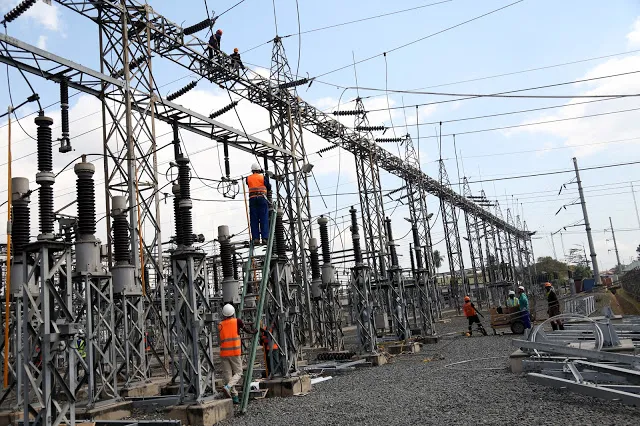
AfDB’s influence isn’t confined to roads and airports. The bank has also supported power projects to expand electricity access and grid reliability; agriculture initiatives that enhance food security and rural incomes and climate-resilient programmes that protect ecosystems and livelihoods, among others.
In each case, the goal is clear: build a more resilient, inclusive economy, reduce poverty, and create meaningful jobs – especially for youth and women.
The Adesina legacy
As Dr. Akinwumi Adesina’s term comes to an end, Tanzania’s government has signalled strong interest in deepening cooperation with the AfDB.
President Samia has described Tanzania as a “reliable, stable, and capable” partner and pledged continued support for the bank’s regional integration agenda.
Observers believe the next phase of cooperation will involve: greater emphasis on private sector mobilisation through AfDB’s Africa50 platform; enhanced funding for green infrastructure and digital connectivity and expansion into regional trade corridors via road and rail networks.
“Dr Adesina’s legacy is that he didn’t just fund projects – he funded visions,” said Dr Jonas Shirima, a political economist at the University of Dar es Salaam. “Tanzania’s rise as a regional hub is inseparable from that vision.”
A model partnership in development
In a continent often reliant on external donors, the Tanzania-AfDB partnership under Dr. Akinwumi Adesina stands out as a model of African-led financing for African priorities.
It is a story of trust, execution, and shared ambition – one that has left Dodoma, and Tanzania as a whole, permanently changed. As Tanzania eyes its transition to a middle-income, industrialised economy, the legacy of this partnership is clear: the roads, rails and runways may be physical, but the transformation they enable is deeply economic – and powerfully African.