By Peter Nyanje
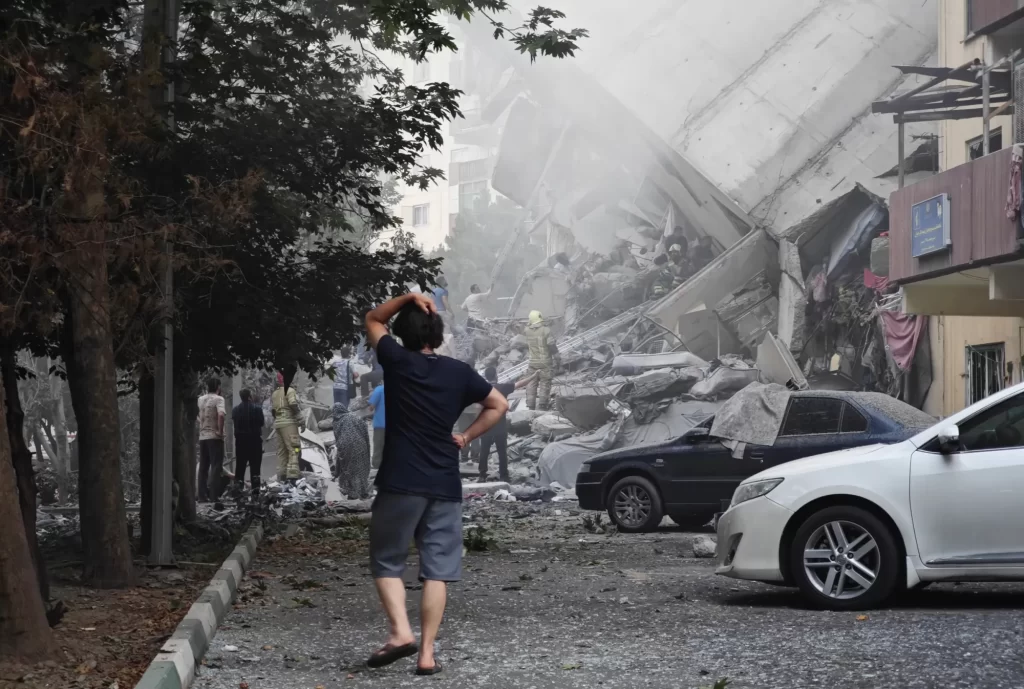
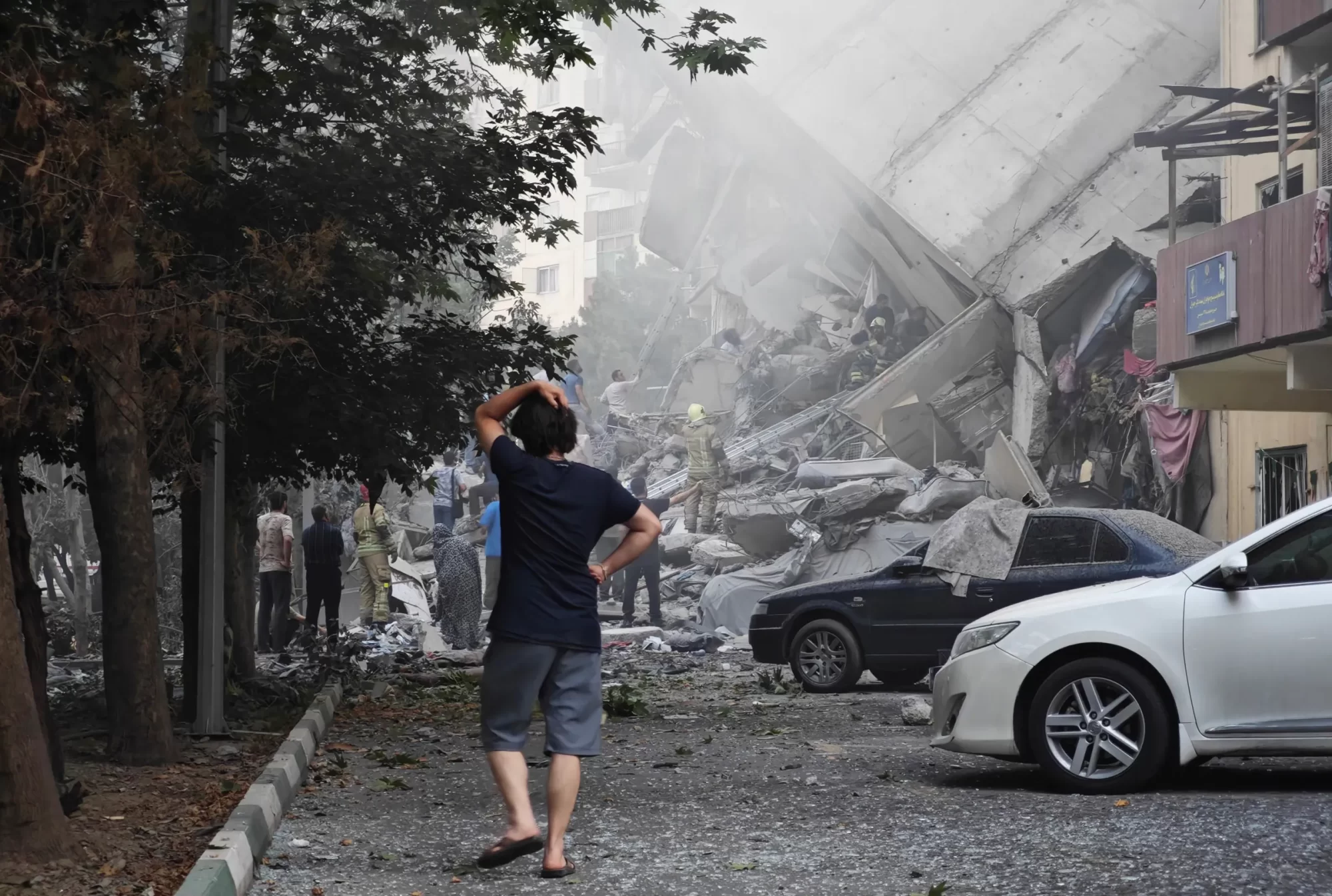
As bombs rain down in the Middle East and oil prices surge in global markets, it’s just a matter of time before commodity prices will start to escalate in East Africa, though it is now posing as a merely a bystander in the escalating Iran-Israel conflict.
No one among top leaders in East Africa doesn’t know that we operate in a globally interconnected economy, therefore, regional stability is no longer a business of one country.
Regional stability is also not a luxury – it’s a necessity for prosperous future of every individual or country.
From Nairobi to Dar es Salaam, Kampala to Addis Ababa, the stakes are rising. And yet, there’s a quiet opportunity in this moment of crisis – for East Africa to act strategically, safeguard its economic interests, and assert its voice on the global stage.
That might seem to be a norm in a culture where even intra East Africa conflicts have eluded intervention from the member states. But we should not entertain that unless we are ready for peril.
Economic shockwaves are already here
Let’s be blunt: East Africa is exposed. Rising global oil prices – already climbing steeply in the wake of Israel’s “Operation Rising Lion” and Iran’s retaliatory strikes – will hit the region’s energy-importing economies hard.
Tough tp some Tanzanians that might look lik a far fetched dream as only last week that fuel prices in the country were lowered!
But, as noted earlier, it is just a matter of time before a reality resulting from the conflict catch with us.
Fuel prices drive up food costs, transport expenses and public debt. That is what we should be prepared for.
For countries like Tanzania, Kenya and Uganda, where commodity prices is already a concern, this conflict threatens to squeeze both government budgets and household incomes.
Ghana’s President Mahama recently warned that no African economy is immune from global shocks. He’s right – and East African finance ministers should take heed.
It might be too late to start taking short term measures to deal with such a situation.
But it is time to wake up and start thinking long term solutions to such conflicts because we are all aware that this will not be last such occasion.
In the short term countries like Tanzania has relied on fuel subsidies but I think now is the time for governments to start thinking about strategic fuel reserve mechanisms.
With ample natural has reserves and oil, it is high time now East African countries start to accelerate the shift to local and renewable energy.
Call for diplomatic maturity
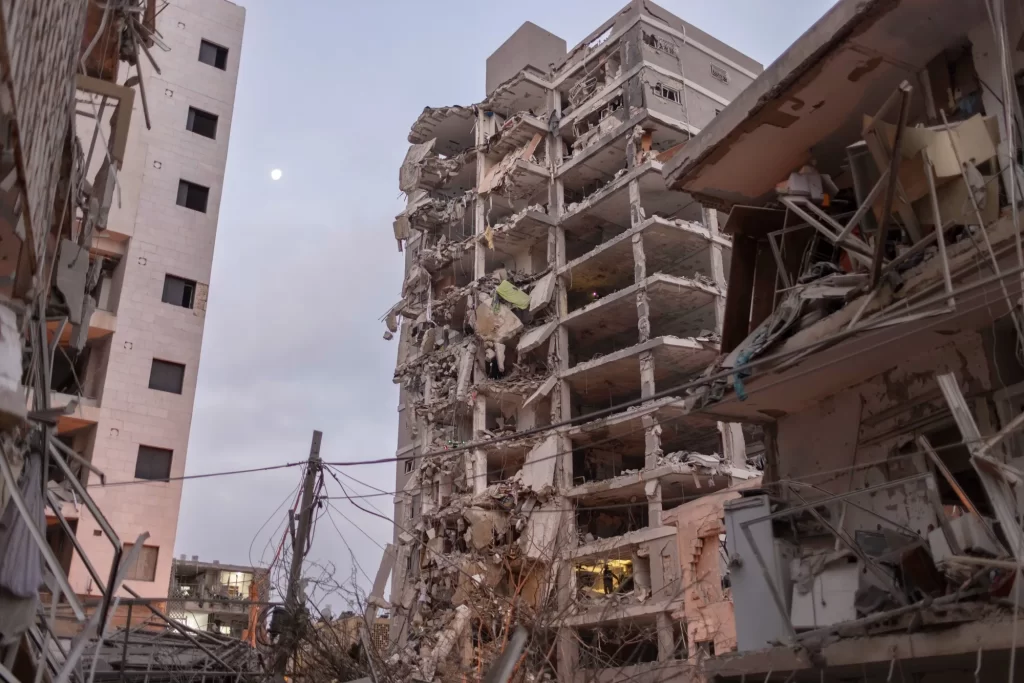
Economics aside, East Africa must also demonstrate diplomatic maturity. The region’s historic neutrality -balancing relations with both Israel and Iran – gives it a unique opportunity to promote peace.
It is now time to exercise lessons we learnt from our founding fathers.
Our neutrality should not be expressed by silence. Countries like South Africa, Nigeria, Egypt and Kenya have already spoken out – some condemning Israeli airstrikes, others urging structural reform of global institutions like the UN Security Council.
East African leaders should add their united voices – not to take sides, but to call for immediate de-escalation and a ceasefire, respect for international law and civilian protection and a revived push for multilateral diplomacy in the Middle East.
Such a stance protects East Africa’s economic and security interests while reinforcing its role as a serious actor in global affairs.
Real security risk for the region
Make no mistake – though the war is fought far away, but regional security in East Africa is also at risk. A prolonged Middle East war could embolden extremist networks worldwide.
East Africa is already vulnerable, facing threats from al-Shabaab and other transnational groups. A destabilised Middle East only increases the risk of recruitment, financing, and ideological spillovers.
East African nations should urgently expand intelligence-sharing and counterterrorism cooperation, reinforce border security and protect strategic infrastructure and engage religious and community leaders to counter radical narratives.
From bystander to global Broker
Here’s the real opportunity: East Africa can go beyond reaction to action. From being a bystander to be a global broker.
With strong ties to both the Arab world and Western partners, countries like Tanzania and Ethiopia could quietly support mediation – perhaps through the African Union or as part of the Non-Aligned Movement.
This would be a soft-power moment, demonstrating that East Africa is not merely reacting to global conflict but actively contributing to global peace.
It also enhances the region’s credibility with investors and partners who prize political stability and global engagement.
Final word
This is about business, not just politics. For business leaders, investors and policymakers across East Africa, this is not a distant geopolitical headline.
It’s a direct challenge to our economic resilience, our political relevance and our future prosperity.
A smart East African response must combine economic preparedness, diplomatic engagement and regional security coordination.
Countries might shy from intervening fearing rebuttal from the powers be. But, the alternative – silence and passivity – could prove far more costly than speaking up or taking action. In a globalised world, peace in the Middle East truly does mean peace at home. East Africa would be wise to act accordingly.