- Economy Grew by 5.5% in 2024, but uneven gains still a concern
- Transport, energy, and ICT led the recovery, while agriculture and inequality remain critical issues
By Peter Nyanje, Dodoma
Tanzania’s economy registered a growth rate of 5.5 percent in 2024, an improvement from 5.1 percent in 2023, according to the recently released National Development Plan for the next financial year – 2025/26.
This growth was fueled by increased investment in energy infrastructure, transport corridors, and digital services, as well as a rise in private sector credit and consumption.
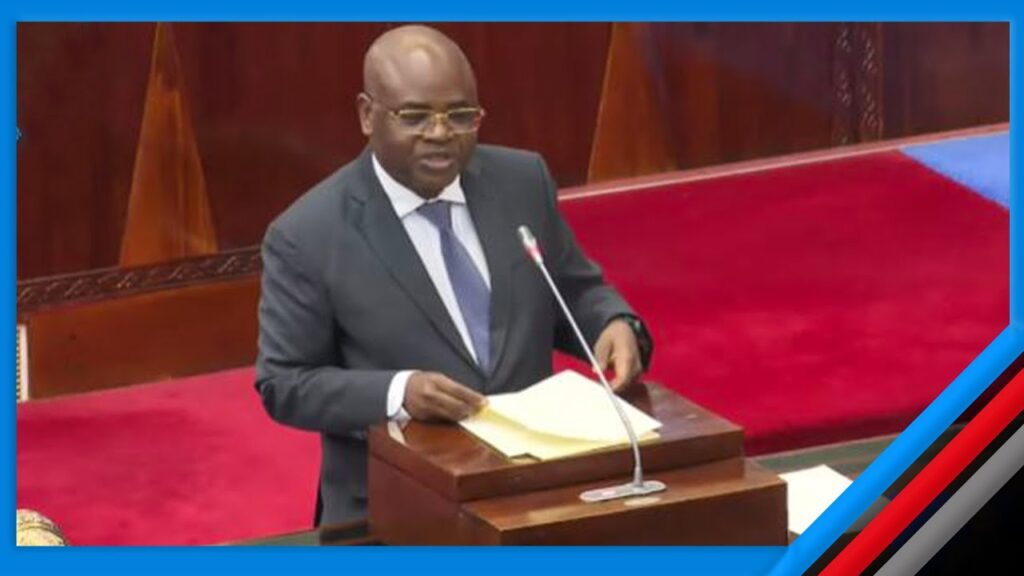
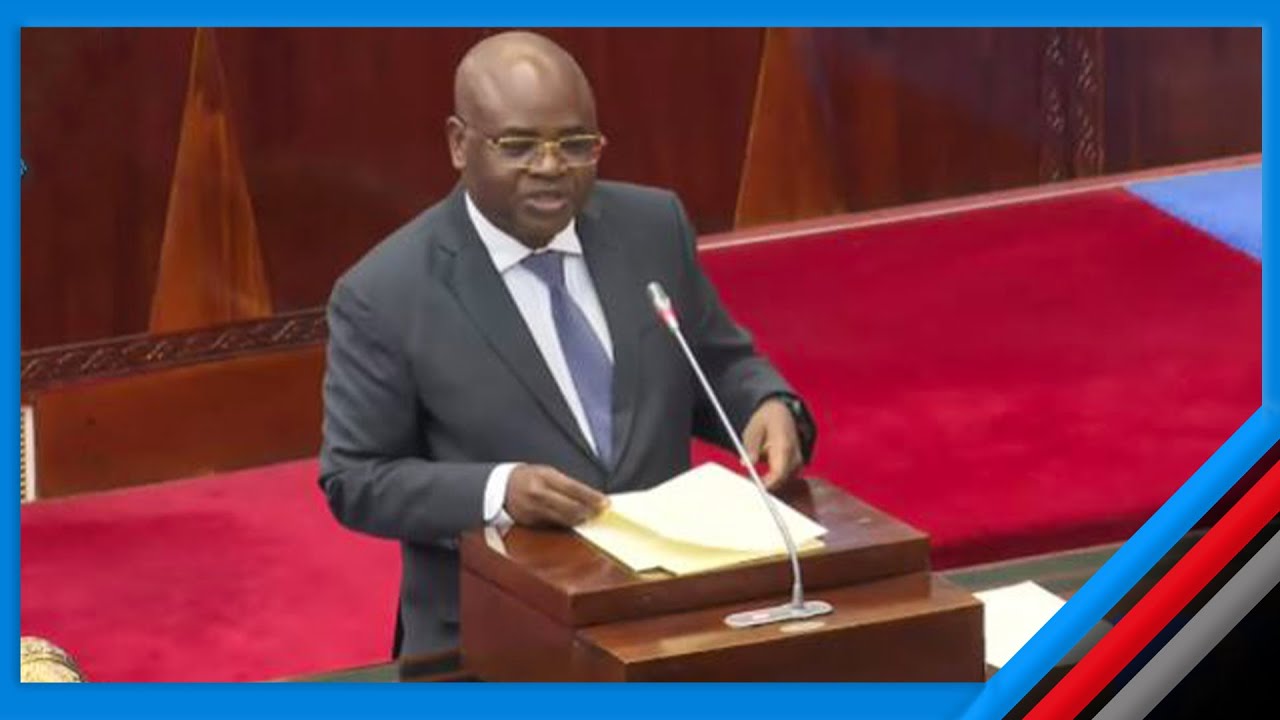
This was revealed today, June 12, 2025 by the Minister in the President’s Office – Planning and Investments, Prof. Kitila Mkumbo.
He was tabling the nation development vision for the next financial year as part of the main budget to be delivered later in the evening by the Finance Minister, Dr. Mwigulu Nchemba.
According to Prof Mkumbo, while the global economy was wobbling due to several shocks, Tanzania economy has continued to fair well.
He said the country’s real GDP reached TSh156.6 trillion at 2015 constant prices, signaling a sustained post-COVID recovery.
The performance was buoyed by the commissioning of large-scale public investments, notably the Julius Nyerere Hydropower Project, standard gauge railway (SGR), improvements in road and port infrastructure and strong performance in service sectors, the Minister noted.
Outlining sectors which performed well I the economy, Prof. Mkumbo noted that the entertainment sector grew the fastest at 17.1%, followed by electricity and gas (14.4%), information and communication (14.3%) and finance and insurance (13.8%).
These trends reflect the ongoing diversification of the Tanzanian economy away from heavy reliance on traditional sectors.
“This growth shows our economy is resilient and recovering steadily,” said Minister Mkumbo. “It reflects the success of our investment-led development model under President Samia Suluhu Hassan.”
However, not all sectors shared equally in the growth. Agriculture – which remains the largest employer in Tanzania – grew modestly – despite leading among sectors – constrained by low productivity, erratic rainfall and limited access to modern technology and financing.
This uneven performance has raised concerns among economists and legislators alike.
“You cannot celebrate national growth while rural communities remain trapped in poverty,” noted one development economist based in Dodoma. “Inclusive growth means agriculture, where most Tanzanians work, must show significant improvements.”
On the inflation front, the report notes that the annual rate remained within the government’s target of below 4.5%, aided by improved domestic food supply and stable energy prices.
However, according to economists, potential risks remain, especially due to global fuel price volatility and climate change disruptions, which could threaten food production and drive up living costs.
Looking forward, the government projects a growth rate of 6.0–6.5 percent for 2025, underpinned by ongoing structural reforms, digitalization of government services, and increased investment in manufacturing and export-oriented industries.
Domestic revenue mobilisation and tax compliance are also expected to improve with reforms in the Tanzania Revenue Authority (TRA), Prof Mkumbo quipped.
During a parliamentary debate on the 2025/26 budget framework, Budget Committee emphasized the need for fiscal discipline and inclusive development.
The Committee noted that it was time now to ensure that growth translates into jobs, better public services, and opportunities for all Tanzanians.
As Tanzania enters a new fiscal year, the key policy challenge will be sustaining growth while narrowing income gaps, boosting agricultural transformation, and ensuring climate resilience. The government’s success in balancing these priorities will determine whether the country can maintain momentum toward achieving its Vision 2030 goals of becoming a semi-industrialized, middle-income economy.