
By Peter Nyanje, Dodoma
As the Minister for Finance, Dr. Mwigulu Nchemba, prepares to table the national budget for the 2025/26 fiscal year in Parliament tomorrow, expectations are running high among citizens, investors and policy analysts.
The new budget is anticipated to reflect the government’s commitment to sustaining economic growth, improving service delivery, and navigating global economic uncertainties.

At the heart of the budget will likely be a strong emphasis on infrastructure development, particularly roads, energy, and water supply. Analysts expect a continuation of strategic investments aligned with the Third Five-Year Development Plan (FYDP III), aimed at stimulating industrialization and inclusive economic transformation. Big-ticket projects such as the Standard Gauge Railway (SGR), Julius Nyerere Hydropower Project (JNHPP), and various rural electrification programs are expected to dominate the development expenditure.
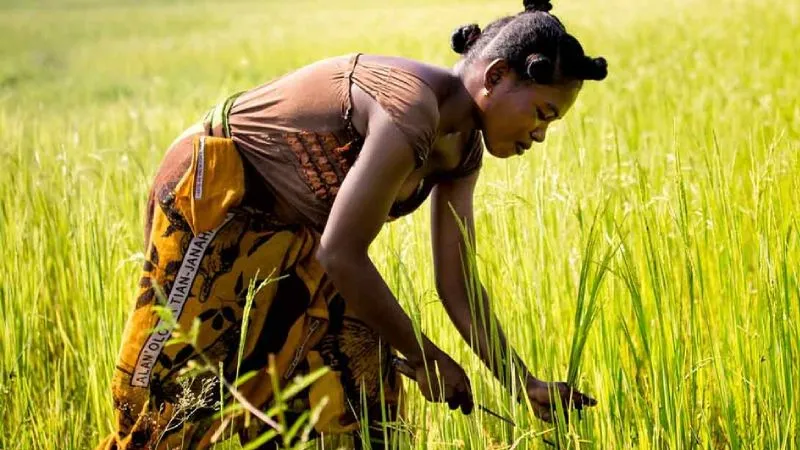
Agriculture, which employs over 65 percent of the population, is also projected to receive increased allocations. This follows mounting pressure from MPs across the political divide for the government to inject more capital into irrigation, agro-processing, and rural access roads. “Agriculture cannot remain a subsistence sector if we want to attain middle-income growth,” said Salome Makamba (CCM–Chunya), during the budget framework debate in April. “The government must prioritise rural infrastructure and access to inputs.”
Social services – especially education and health – are expected to receive a boost in allocations. The government has been urged to channel more funds to construct classrooms, laboratories, health centres and staff houses in remote areas.
“We still have wards with no secondary schools and villages without dispensaries,” noted Ester Bulaya (Chadema–Bunda Urban), adding: “Allocating development funds is not enough if disbursement remains delayed.”
Revenue mobilisation remains a key focus, with the government expected to propose new or revised tax measures to expand the tax base. But this remains controversial.
“Tax reforms must not punish small traders or burden the informal sector further,” warned Dr. Haji Mponda (CCM–Malinyi), chair of the Parliamentary Budget Committee.
The Tanzania Revenue Authority (TRA) has been under growing scrutiny over tax harassment claims and inefficiencies in compliance systems.
Public sector wage management is also a hot topic. The government has been facing increasing demands to adjust salaries and harmonize pay structures amid the rising cost of living.
The business community is keen to see whether the budget will provide a more enabling environment.
Stakeholders from the Tanzania Private Sector Foundation (TPSF) have repeatedly called for reduced regulatory barriers and reform of procurement laws to favour local investors. “Delays in payments to contractors and bureaucratic red tape are killing local businesses,” TPSF Chairperson Angelina Ngalula said in a recent policy forum.
At the macroeconomic level, the government is expected to maintain a cautiously optimistic tone. With inflation projected to remain within the 3–5 percent band and GDP growth forecast at around 6 percent, fiscal discipline remains a top concern.
Environmental sustainability may also feature more prominently. Tanzania’s vulnerability to climate shocks such as floods and droughts has prompted MPs to push for greater investment in climate-resilient infrastructure.
Ultimately, the 2025/26 budget will be a balancing act: responding to citizens’ needs, delivering on development promises, and maintaining fiscal stability. As the Finance Minister, Dr. Nchemba, rises in the Parliament chamber tomorrow, all eyes will be on whether the proposed allocations and reforms can meet the country’s pressing challenges while charting a sustainable and inclusive growth trajectory.