By Business Insider Reporter
East Africa is rising to the challenge of plastic pollution, as local communities and conservation groups join forces to protect marine life, secure livelihoods, and restore the health of the ocean.
At the heart of this effort is a powerful new partnership between the International Fund for Animal Welfare (IFAW) and The Flipflopi Project in Kenya.
Together, they are confronting one of the region’s most urgent environmental threats – plastic waste in marine ecosystems.
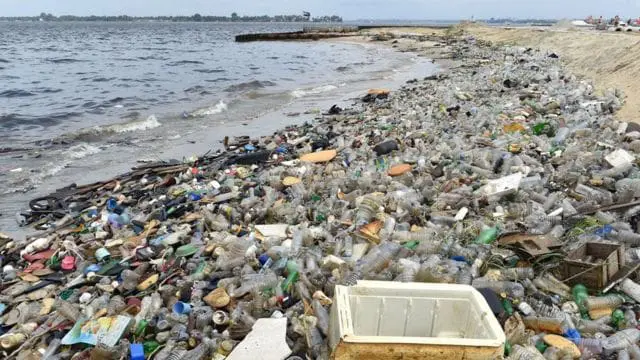
Plastic pollution has reached alarming levels across Africa, driven by booming consumption, especially in packaging, and a lack of effective waste management systems.
In many countries, plastic waste is openly dumped or burned, endangering marine biodiversity, contaminating food sources, and releasing harmful toxins into the air and water.
“Oceans are vital to Africa’s future – from food and jobs to climate stability. But plastic waste is choking our marine ecosystems and threatening everything we depend on,” said a representative from IFAW.
The scale of the crisis is staggering. Experts project that the continent will generate 116 million tonnes of plastic waste annually by 2060 – up from just 18 million tonnes today. That’s equivalent to the combined weight of over 773,000 blue whales. If left unchecked, this surge in pollution could wipe out marine megafauna such as whales, dolphins, sea turtles, and dugongs – species that play a critical role in regulating the global climate.
To reverse the trend, The Flipflopi Project is pioneering creative, community-driven solutions.
Based in Kenya, the initiative is known globally for building traditional Swahili-style dhows – sailing boats – entirely out of recycled plastic waste. But beyond its symbolic boats, Flipflopi is empowering communities to re-imagine plastic not as waste, but as a valuable resource.
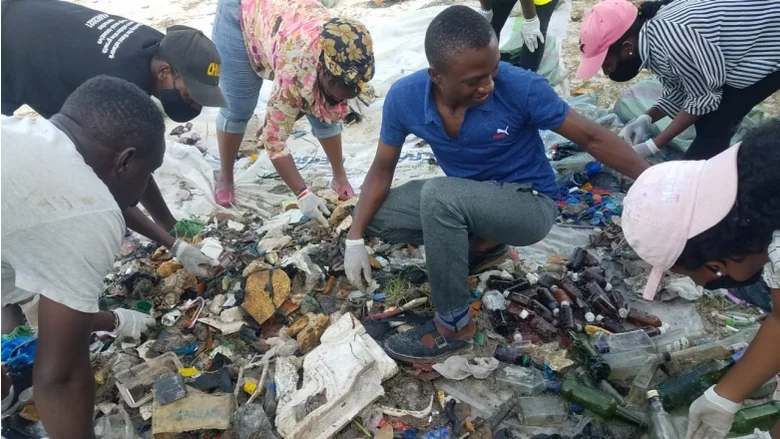
From crafting furniture to reviving heritage boatbuilding skills, the project is injecting circular economy principles into coastal livelihoods.
It offers not only environmental relief, but economic opportunity – particularly for artisans, youth, and women who are most affected by unemployment and environmental decline.
IFAW’s support expands the project’s reach, focusing on community education and engagement.
Through workshops, outreach campaigns, and school programmes, the initiative is raising awareness among fisherfolk and coastal residents about the devastating impact of plastic on marine ecosystems and food security.
“Fishing communities rely on the ocean for survival. But plastic pollution is threatening their catch, their income, and their health,” said an IFAW team member during a recent visit aboard a Flipflopi dhow made from recycled plastic. “By working together, we can protect both marine life and human lives.”
The impact goes beyond coastlines. By reducing plastic leakage into the ocean, the partnership is also helping to limit the spread of microplastics – tiny particles that can enter the food chain and ultimately affect human health.
Importantly, these efforts complement broader regional goals under the African Union’s blue economy strategy and global calls to end single-use plastics.
As more African nations enact plastic bans and embrace sustainable development, projects like Flipflopi provide a blueprint for action that is local, scalable, and inclusive.
In East Africa, where the ocean is not only a source of life but also a cultural and economic lifeline, this fight against plastic pollution is more than an environmental issue – it’s a fight for the future. With continued support, innovation, and grassroots engagement, East Africa is proving that the tide on plastic pollution can be turned, one dhow, one village, and one recycled bottle at a time.