By Business Insider Reporter
Zanzibar has entered a new chapter in its public transport story with the arrival of its first electric buses – a milestone that signals not just a shift in how people move, but how the Isles are positioning their economy for the future.
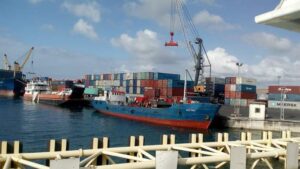
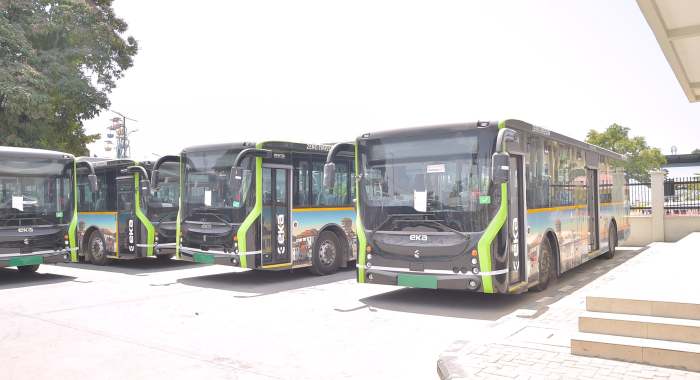
On 25 January 2026, a batch of 10 electric buses docked at Malindi Port before being transferred to the Kijangwani New Bus Terminal in the West Urban District. The vehicles are expected to begin official passenger operations in late February 2026, serving key urban routes linking Buyu, Chukwani, Mnazi Mmoja, Malindi and the airport corridor.
For Zanzibar, this marks the first tangible step toward a cleaner, smarter and more reliable mass transit system – and a clear statement of intent under President Dr Hussein Ali Mwinyi’s infrastructure-led development agenda.
More than a transport upgrade
As the Spice Islands edge closer to launching their first electric bus public transport system, the project is fast emerging as more than a mobility upgrade.
It is becoming a symbol of Zanzibar’s broader economic repositioning – cleaner, more efficient and better connected – at a time when tourism is booming, logistics pressures are intensifying and execution of the Blue Economy agenda is accelerating.
The project is coordinated by the Zanzibar Social Security Fund (ZSSF) and implemented in partnership with South Africa’s Unitrans Transport Company and GRT Limited. In its initial phase, the system will operate within the Mjini Magharibi Region of Unguja, using the Kijangwani Bus Terminal as a central operational hub.
Officials say the buses are designed to operate on existing road infrastructure while easing congestion, improving service reliability and reducing emissions in densely populated urban corridors.
“The system has been designed to modernise public transport without disrupting the existing urban fabric,” a senior government official said during a recent project briefing. “It is about efficiency, sustainability and long-term value.”
Why transport matters now
The timing of the electric bus rollout is not accidental. Zanzibar’s economy is expanding at a pace that is placing new demands on infrastructure and urban services.
Provisional official data indicate that the Isles’ economy grew by more than seven percent in 2025, driven primarily by tourism, construction, trade and services.
Population growth, rising vehicle ownership and increasing visitor numbers have all intensified pressure on a public transport system long dominated by small buses and informal operators.
In this context, modern public transport has become an economic necessity rather than a lifestyle upgrade – essential for maintaining productivity, competitiveness and quality of life.
Under President Mwinyi, infrastructure modernisation has been elevated to a central pillar of development policy. Flagship initiatives such as the Stone Town urban renewal programme, Zanzibar’s first flyover, airport expansions and port upgrades point to a coordinated effort to reduce bottlenecks and support sustained growth.

“A modern economy must be supported by modern infrastructure that serves citizens, investors and visitors alike,” President Mwinyi has repeatedly emphasised in outlining his administration’s priorities.
Tourism boom meets infrastructure reality
Tourism – the backbone of Zanzibar’s economy – adds urgency to the transport reform.
Official figures show that international tourist arrivals reached nearly 920,000 in 2025, the highest level in the Isles’ history. Europe remained the dominant source market, while hotel occupancy rates averaged close to 90 percent during peak seasons. The average visitor stay stood at approximately eight nights.
For the hospitality sector, the electric buses promise smoother and more predictable connections between the airport, hotels, heritage sites and beaches. Reduced congestion around Stone Town and major corridors could translate into shorter travel times, lower operating costs and a more seamless visitor experience.
“Sustainable and efficient transport is increasingly important to today’s travellers, particularly those visiting island destinations,” an official at the Zanzibar Commission for Tourism said. “It directly influences satisfaction levels, length of stay and the likelihood of repeat visits.”
Urban efficiency, logistics and jobs
Beyond tourism, improved public transport carries significant implications for urban efficiency and labour mobility.
Reliable mass transit reduces productivity losses caused by congestion, improves access to jobs and lowers transport costs for households. For businesses – especially in hospitality, retail, construction and port-related services – these efficiencies can have a direct impact on competitiveness.
The electric bus initiative is also expected to generate new employment opportunities, including drivers, technicians, maintenance personnel and charging-infrastructure specialists. Over time, it will help introduce electric mobility skills into the local workforce, supporting broader technology transfer and capacity building.
Officials say the project will be implemented in phases, with additional electric vehicles and supporting infrastructure to be rolled out progressively as demand grows and operational experience deepens.
A clear Blue Economy signal
Strategically, the shift to electric buses reinforces Zanzibar’s Blue Economy ambitions.
As an island economy highly exposed to climate change, environmental degradation and rising fuel costs, Zanzibar has placed sustainability at the core of its long-term development framework. Recent initiatives – including enhanced marine conservation financing, digitalised marine park fees and renewed focus on sustainable fisheries – signal a policy shift from extraction to stewardship.
While electric buses are land-based, they complement this agenda by reducing carbon emissions, cutting fuel imports and strengthening Zanzibar’s green credentials in global tourism markets.
“Environmental protection and economic growth must move together,” a senior official in the Blue Economy and Fisheries docket noted recently. “Clean transport supports tourism, protects our heritage and aligns with our climate commitments.”
Carrying an economy in transition
Viewed in isolation, the electric buses represent a transport project. Viewed in context, they are part of a broader economic narrative — one in which infrastructure, tourism, logistics and sustainability are being deliberately aligned.
As Zanzibar advances toward Dira 2050 and approaches the symbolic one-million-visitor milestone, the success of such initiatives will increasingly determine whether growth remains inclusive, resilient and environmentally sound. When the first electric buses roll onto Zanzibar’s streets later this month, they will carry more than passengers. They will carry the momentum of an island economy in transition – and a vision of cleaner, smarter growth for years to come.