By Business Insider Reporter
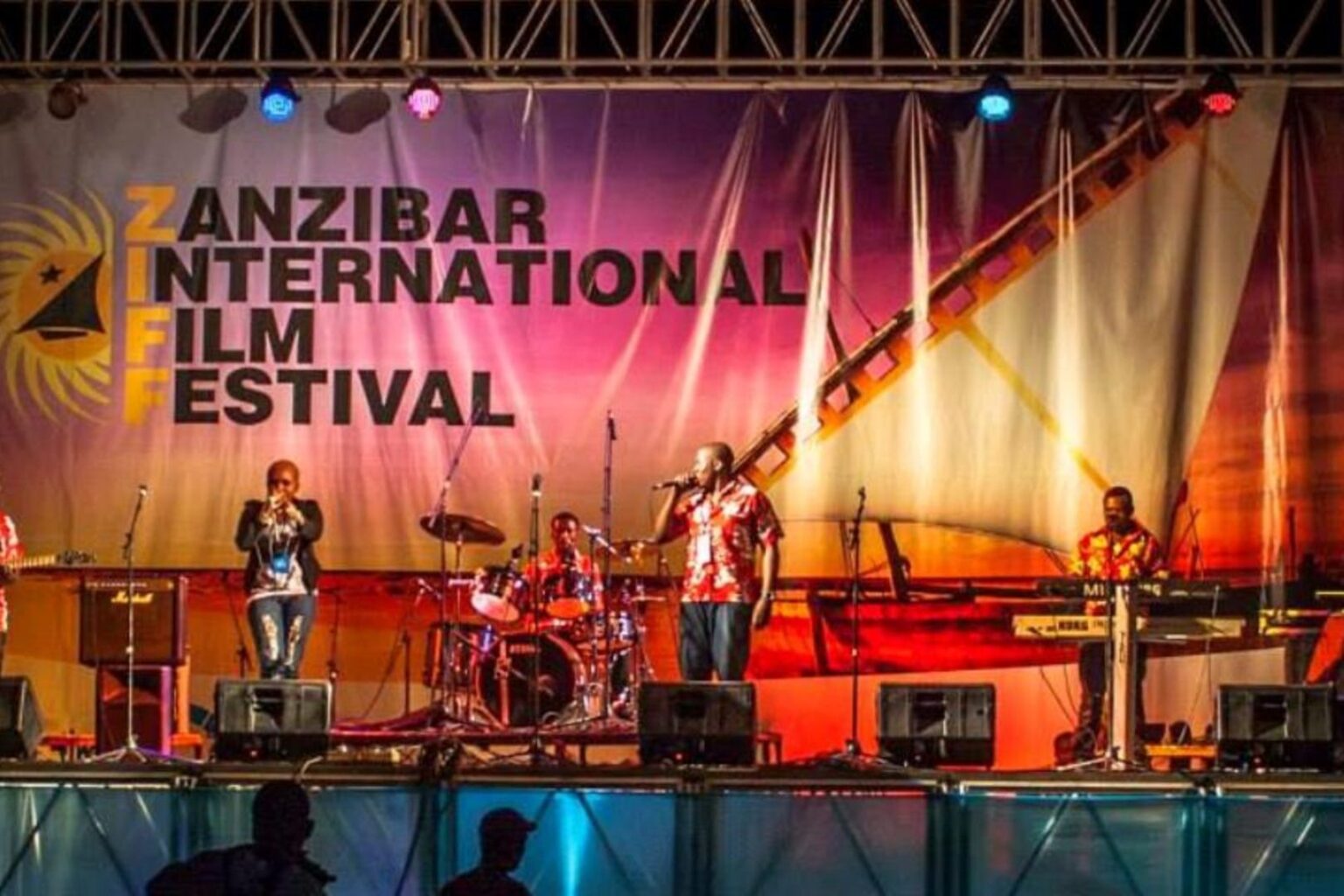
For ten days, from July 4 to 13, the historic streets of Stone Town, Zanzibar, transformed into a dazzling stage of creativity as the Zanzibar International Film Festival (ZIFF) marked its 28th edition, celebrating the theme “Where Hope Takes Root.”
Widely regarded as East Africa’s leading cultural showcase, ZIFF 2025 brought together filmmakers, artists, activists, and tourists in a vibrant celebration of African cinema, music, and social dialogue. Since its inception in 1997, the festival has grown to attract over 100,000 visitors annually, cementing its status as a cornerstone of cultural tourism and creative expression in the region.
Platform for pan-African storytelling
This year’s edition showcased over 100 local and international films, including entries in the prestigious Golden and Silver Dhow competitions.
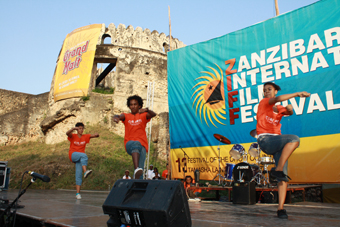
Outdoor screenings lit up iconic venues like the Old Fort and Forodhani Gardens, while village panoramas and youth programs ensured the festival reached beyond the city’s walls into rural Zanzibar.
The festival opened with the Ugandan biopic “Janani: The Last Stand”, a poignant portrayal of Archbishop Janani Luwum’s resistance against dictatorship.
Ugandan filmmakers made a strong impression this year, clinching several acting and directing awards, underscoring the growing influence of East African cinema on the global stage.
More than just film
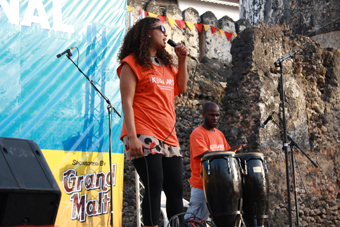
ZIFF 2025 wasn’t limited to the big screen. The festival buzzed with live music concerts, art exhibitions, traditional dhow races, beach soccer matches, and a host of workshops and masterclasses led by industry professionals from Africa, Europe, and the Middle East.
Discussions focused on digital distribution, documentary storytelling, and the future of African content in a globalised world.
Community engagement remained central to ZIFF’s mission, with free screenings in villages, and special sessions for women and children on topics such as health, gender equality, and human rights.
“This is not just a film festival; it is a cultural movement,” said ZIFF Executive Director Freda Mwakilima. “It brings people together across borders, generations, and disciplines. And it places Zanzibar firmly on the global cultural map.”
Driving economic and social growth
Beyond its artistic contributions, ZIFF is a powerful economic engine for Zanzibar.
The influx of filmmakers, tourists, and investors boosts local hospitality, crafts, transport, and event services, while the festival itself creates hundreds of direct and indirect jobs.
This year’s event enjoyed strong backing from partners including the European Union, UNICEF, and regional organizations that see culture as central to the African Continental Free Trade Area (AfCFTA) goals of integration and shared prosperity.
“ZIFF shows how soft power – art, storytelling, music – can build bridges, drive economies, and shift perceptions of Africa,” said Latifa Khamis, an official from the Ministry of Culture and Arts.
Global outlook
With its blend of cinema, education, tourism and community activism, ZIFF is more than a film festival – it’s a cultural institution and a symbol of resilience through art. As global interest in African content continues to grow, platforms like ZIFF offer a critical springboard for talent and ideas to flourish.
From the cobblestone streets of Stone Town to the coastal villages of Unguja and Pemba, the festival left behind a trail of inspiration, connection, and possibility. Zanzibar has once again proven that hope can take root – and thrive – where art and people meet.