By Peter Nyanje
Rising geopolitical tensions in the Middle East – particularly fears surrounding potential disruptions to shipments through the Strait of Hormuz – have once again highlighted the vulnerability of global energy markets to supply shocks.
The strait handles roughly 20 percent of global oil shipments, making it one of the most critical chokepoints in international energy trade. Any disruption to this corridor quickly sends oil prices higher and triggers concerns about supply shortages.
In this context, attention has increasingly turned to alternative producers, including African oil-exporting countries such as Nigeria and Angola, to assess whether they could help stabilise markets by increasing production. However, energy analysts argue that while African producers have long-term potential, their ability to respond quickly to global supply disruptions remains limited.
Structural constraints limit short-term supply response
Africa collectively produces about 7–8 percent of global crude oil, with Nigeria and Angola accounting for the largest share in sub-Saharan Africa.
Despite this capacity, both countries face structural constraints that prevent them from rapidly increasing output during crises.
Nigeria, Africa’s largest oil producer and a key member of the Organization of the Petroleum Exporting Countries (OPEC), currently produces about 1.4 million barrels per day, according to market estimates. However, analysts note that the country has little or no spare capacity that could be activated quickly to offset global shortages.
Several factors limit Nigeria’s production flexibility. Aging infrastructure, frequent pipeline vandalism, and security challenges in the oil-rich Niger Delta have historically reduced production levels.
In addition, many upstream oil projects – especially deepwater developments – require years of investment and construction before new barrels can reach the market.
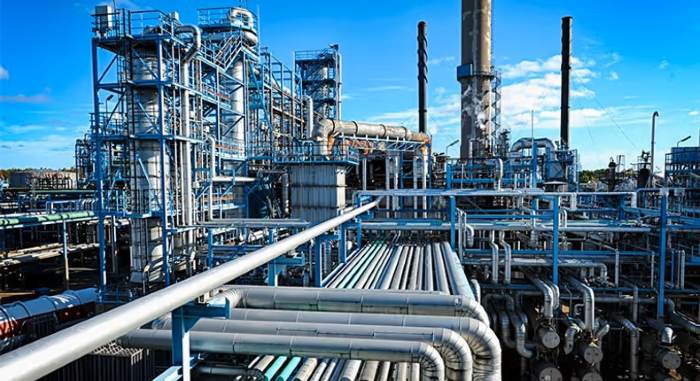
Although reforms introduced under Nigeria’s Petroleum Industry Act aim to attract new investment and improve regulatory transparency, their impact on production capacity will likely take years to materialize.
Angola’s cautious production strategy
Angola, the second-largest oil producer in sub-Saharan Africa, faces similar constraints. The country made headlines in 2023 when it withdrew from the Organization of the Petroleum Exporting Countries after disagreements over production quotas.
The move was designed to allow Angola greater flexibility in determining its output levels. Nevertheless, its current production capacity – estimated at around 1.1 million barrels per day – is also constrained by declining output from mature oil fields.
To counter this trend, the Angolan government has been encouraging investment in new offshore exploration and expanding natural gas development. International energy companies such as TotalEnergies and Chevron continue to play a major role in the country’s upstream sector.
However, even with renewed investment, bringing new fields into production can take five to ten years, meaning Angola’s contribution to alleviating immediate supply shortages would remain limited.
Refining capacity and value chains
Beyond crude production, another challenge for many African producers is the lack of adequate refining infrastructure. For decades, Nigeria exported crude oil while importing refined fuels such as petrol and diesel due to the poor condition of its state-owned refineries.
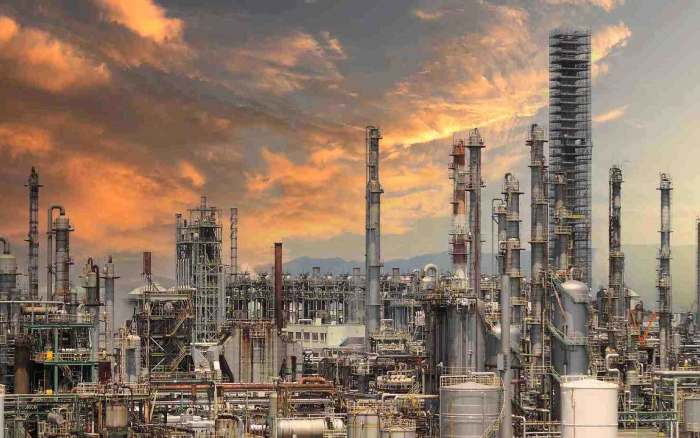
This situation began to change in 2024 with the launch of the massive Dangote Refinery near Lagos. With a refining capacity of about 650,000 barrels per day, the facility is expected to significantly reduce Nigeria’s reliance on fuel imports and reshape regional fuel markets.
Although such projects strengthen domestic energy security, they do not immediately increase crude production levels available for global markets.
Medium-term opportunity for African energy
While Africa’s ability to stabilise global oil markets in the short term is limited, analysts argue that the continent could play a far more important role over the medium term. Rising global demand for energy diversification – particularly following the decline of Russian energy supplies to Europe after the Russian invasion of Ukraine – has increased interest in African oil and natural gas resources.
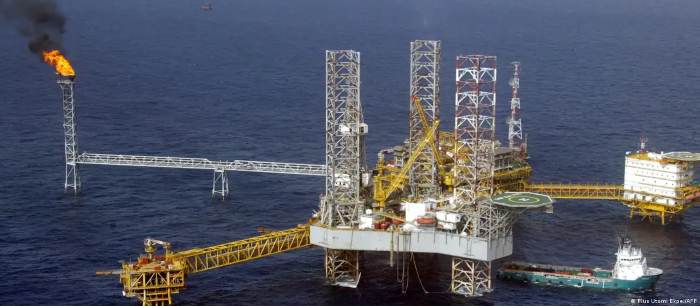
Countries such as Mozambique, Senegal and Tanzania are developing major natural gas projects that could supply global LNG markets in the coming decade.
For African oil producers, the key to countering future price shocks lies less in emergency production increases and more in long-term investment in exploration, infrastructure and regulatory stability.
Expanding pipeline networks, improving security in producing regions and accelerating approvals for new exploration blocks could gradually increase output capacity and create a stronger buffer against global supply disruptions. In the meantime, global oil markets will likely continue to rely heavily on traditional swing producers such as Saudi Arabia and United States – countries with the spare production capacity required to respond rapidly to geopolitical crises.