By Business Insider Reporter
The Ministry of Finance will from April 9, 2026 convene a critical two-day financial sector forum aimed at tightening coordination, strengthening oversight, and ensuring that the country’s long-term development ambitions under Dira 2050 are not weighed down by inefficiencies or “unwanted passengers.”
The forum, running from April 9–10, brings together regulators, policymakers, financial institutions, and private sector players for what is expected to be one of the most consequential gatherings on financial sector reform this year.
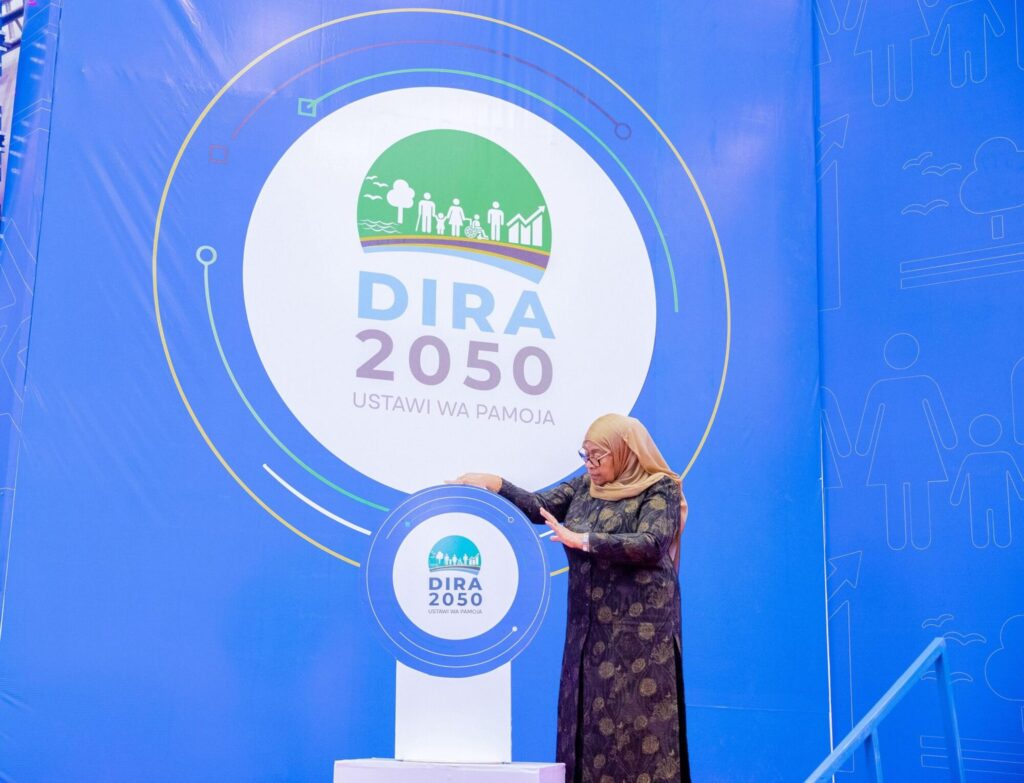
At its core, the meeting seeks to align the financial system with the execution demands of Dira 2050 – Tanzania’s ambitious new blueprint for inclusive, resilient, and sustainable economic transformation.
From vision to execution
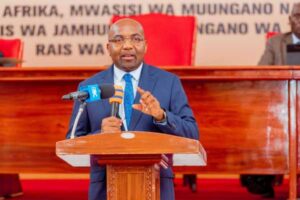
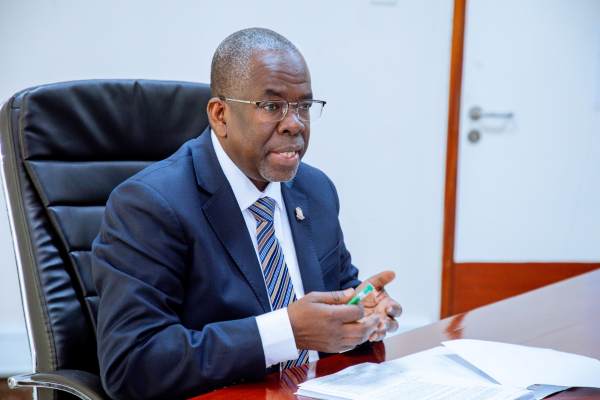
The opening day will set the tone with an inaugural address by the Finance Minister Ambassador Khamis Mussa Omar (pictured above), followed by the official launch of key forum documents and a high-level presentation on Dira 2050.
The session will draw insights from top institutions, including the central bank, capital markets regulators, and insurance authorities.
Importantly, the forum will revisit progress made since the 2024 Financial Sector Forum, offering a reality check on what has worked – and what must change. The emphasis is clear: execution discipline.
Scrutinising the financial system
A major focus of the forum will be a deep dive into the implementation of the Financial Sector Development Master Plan over the past five years (2020/21–2025/26).
Breakout sessions will examine performance and structural gaps across key pillars of the financial system:
- Banking sub-sector discussions will spotlight innovations such as green and corporate bonds, alongside perspectives from leading banks and development finance actors.
- Insurance stakeholders will assess penetration challenges and the sector’s role in de-risking the economy.
- Capital markets players will explore how to unlock long-term financing and deepen investor participation.
Together, these sessions are expected to surface both progress and persistent bottlenecks – effectively identifying “unwanted passengers” slowing the sector’s contribution to national growth.
Inclusion, innovation and accountability
Day two shifts attention to inclusivity and future-readiness.
Sessions on social security systems and microfinance will examine how well financial services are reaching ordinary Tanzanians – a key test for Dira 2050’s promise of shared prosperity.
Equally significant are forward-looking discussions on:
- Sustainable financing, reflecting growing pressure to align investments with environmental and social goals.
- Technology, innovation, and AI, where regulators, telecom players, fintechs, and mobile money providers will explore how digital transformation can expand access while safeguarding stability.
A platform for alignment
Beyond presentations, the forum is designed as a coordination platform – bringing together institutions that often operate in silos.
By fostering dialogue between regulators, financial institutions, and policymakers, the Ministry aims to build a more cohesive system capable of mobilising capital at scale.
The inclusion of networking sessions and a closing cocktail underscores the importance of relationship-building in driving reforms forward.
The bigger picture
As Tanzania edges closer to implementing Dira 2050, the stakes are rising. Mobilising finance is no longer just about volume — it is about structure, efficiency, and impact.
This forum signals a shift in tone: from ambition to accountability.
By identifying gaps, aligning actors, and confronting inefficiencies head-on, the Ministry of Finance is effectively setting the rules of engagement – ensuring that every player in the financial ecosystem contributes meaningfully, and that no “unwanted passengers” derail the journey toward long-term national development. The message is unmistakable: the road to 2050 will demand not just participation, but performance.