By Business Insider Reporter
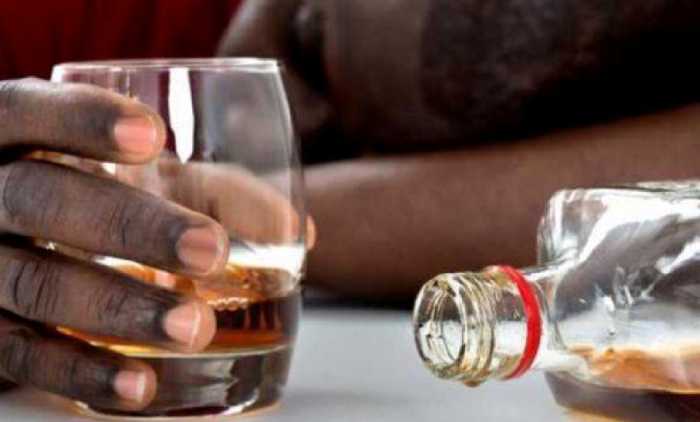
Tanzania is facing a mounting dual crisis as illicit alcohol consumption surges, draining public finances while exposing millions of consumers to serious health risks.
A new study commissioned by the Confederation of Tanzania Industries (CTI) in collaboration with Serengeti Breweries Limited (SBL) and conducted by Euromonitor International estimates that the country loses TSh 1.026 trillion in government revenue each year due to illicit alcohol – a figure that signals both a fiscal and regulatory red flag.
The research paints a stark picture: 61 percent of all alcohol consumed in Tanzania is illicit, meaning it falls outside tax, regulatory, or legal compliance frameworks.
This marks a troubling increase from 55 percent recorded in 2017, suggesting the illicit market is expanding faster than formal industry growth.
A silent drain on government revenue
The fiscal implications are significant. More than TSh 1 trillion in lost taxes annually weakens the Government’s capacity to finance critical public services such as healthcare, education, and infrastructure.
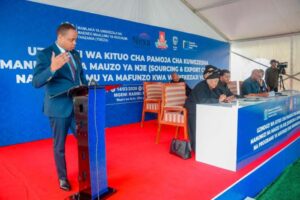
Speaking at the release of the study on February 5 in Dar es Salaam, Deputy Minister for Industry and Trade Dennis Londo warned that the scale of revenue leakage demands urgent, coordinated action across public and private sectors.

“The loss of more than TSh 1 trillion every year due to illicit alcohol undermines the government’s ability to finance essential social services and protect the health of citizens. This study provides critical evidence to inform policy decisions and strengthen collaboration between the Government and stakeholders,” said Mr. Londo.
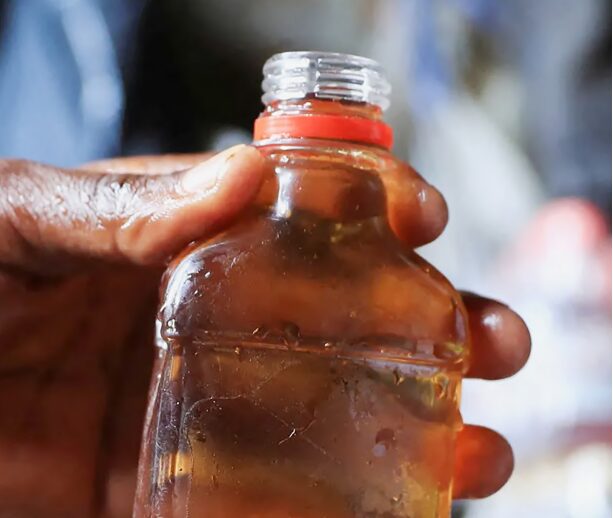
The study identifies illegal artisanal brews – particularly gongo – as the single largest contributor, accounting for an estimated TSh 709 billion in annual losses.
Counterfeit products, smuggling, and excise tax evasion compound the problem, creating an uneven playing field for compliant manufacturers.
From a macroeconomic standpoint, such persistent leakage undermines domestic revenue mobilisation efforts at a time when Tanzania, like many emerging economies, is under pressure to expand its tax base without overburdening compliant taxpayers.
Public health risks intensifying
Beyond the fiscal damage, the human cost may be even more alarming. Illicit alcohol often bypasses safety controls, increasing the risk of contamination with toxic substances and unsafe production methods.
According to the study, these hazards are growing as the illicit market expands.
While many consumers are aware of potential health dangers, affordability and easy access continue to drive demand. In some cases, prohibited spirits such as gongo can be up to 80 percent cheaper than legal alternatives – a price gap that heavily influences low-income consumers.
This dynamic creates a dangerous feedback loop: economic hardship fuels demand for cheaper illicit alcohol, which in turn increases health risks and reduces government revenue needed to fund healthcare systems.
Regional pattern signals structural challenge
Tanzania’s situation mirrors trends in neighbouring markets. Comparable studies found illicit alcohol accounts for 60 percent of consumption in Kenya and 67 percent in Uganda, indicating the problem is structural across East Africa rather than isolated domestically.
For policymakers, this regional pattern suggests that enforcement alone may not be sufficient. Cross-border smuggling networks, informal distribution systems, and entrenched consumer behaviour require multi-layered interventions.
CTI says the study was commissioned partly to close the country’s data gap on illicit trade, which often operates outside formal measurement systems.
“Without reliable data, it is difficult to design effective interventions. This study was commissioned to close the information gap, reveal the true scale of the problem, and support the Government and other stakeholders in taking evidence-based action,” said the Executive Director of CTI, Leodegar Tenga.
Explaining the credibility of the findings, Benjamin Rideout, Euromonitor International consultant, said the study employed a mixed research methodology to ensure the results accurately reflect market realities.
“Because illicit alcohol is not captured in official systems, we relied on extensive field research, stakeholder interviews and consumer surveys to build a comprehensive and comparable picture of the market over time,” Mr. Rideout said.
Meanwhile, SBL argues that tackling illicit alcohol is essential not only for fair competition but also for consumer protection.
Managing Director Obinna Anyalebechi noted that its collaboration with CTI reflects a responsibility to protect consumers and support fair competition.
“Illicit alcohol endangers consumers’ lives, reduces government revenue, and undermines businesses that comply with the law. Our participation in this study contributes to strengthening evidence-based dialogue and supporting the development of sustainable solutions,” he said.
Recommended interventions include:
- Stronger ethanol regulation
- Enhanced border and domestic enforcement
- Expanded consumer awareness campaigns
- Wider deployment of digital tax-stamp verification systems
The cost of inaction
If current trends persist, notes the study, Tanzania risks entrenching a parallel alcohol economy that erodes the tax base, endangers public health, and undermines legitimate industry investment.
The steady rise from 55 percent illicit share in 2017 to 61 percent today is an early warning signal that the window for decisive intervention may be narrowing. The study ultimately frames illicit alcohol not merely as a law-enforcement issue but as a national economic and public health priority. Without timely and coordinated action, the country could continue losing over a trillion shillings annually – while exposing millions of consumers to preventable health dangers.