By Business Insider Reporter
Tanzania’s external sector recorded a notable improvement in the year ending January 2026, reflecting the country’s expanding export base and strengthening global demand for its key commodities.
According to data from the Bank of Tanzania, the current account deficit narrowed to US$ 1.93 billion, down from US$ 2.45 billion a year earlier, signalling growing resilience in the country’s trade dynamics.
The improvement is largely attributed to a sharp increase in export earnings, which have benefited from Tanzania’s ongoing strategy to diversify exports beyond traditional agricultural commodities toward minerals, tourism and emerging service sectors.
Exports surge on gold, tourism and agriculture
During the period under review, total exports of goods and services rose by 15.1 percent to US$ 16.84 billion, underscoring strong performance across several major sectors.
Gold continued to dominate Tanzania’s export portfolio, generating US$ 3.25 billion in earnings. The strong performance was driven not only by favourable international prices but also by government reforms aimed at formalising the artisanal and small-scale mining sector.
In recent years, the government has established mineral trading centres across the country to ensure that small-scale miners sell their output through official channels. The initiative – overseen by the Ministry of Minerals – has improved transparency in the sector while boosting official export statistics and government revenue.
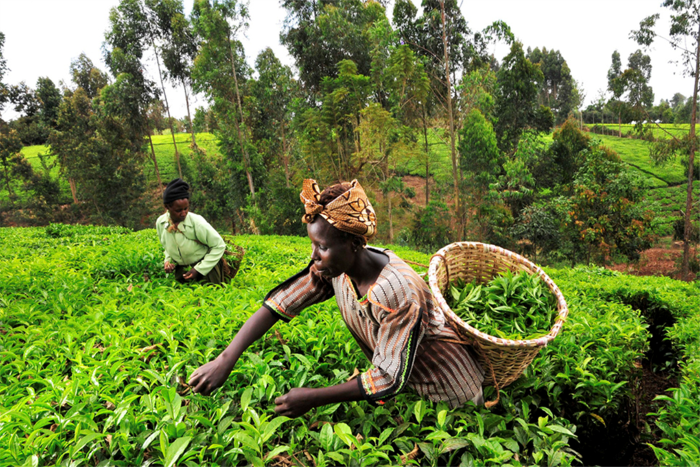
Agricultural exports also remained resilient despite global market volatility. Traditional crops such as tobacco and cashew nuts registered combined growth of about 9.3 percent, reflecting improved farm-gate prices and expanding market access.
Cashew nuts, one of Tanzania’s most important agricultural exports, continue to find strong demand in markets such as India, Vietnam and the European Union, while tobacco exports remain a significant foreign exchange earner.
Tourism rebounds strongly
One of the most remarkable developments in the external sector has been the strong recovery of tourism following the disruptions caused by the COVID-19 pandemic earlier in the decade.
Travel receipts increased to US$ 3.58 billion, supported by a surge in international arrivals, which surpassed 2.1 million visitors. The growth reflects intensified global marketing campaigns led by the Tanzania Tourist Board as well as improvements in aviation connectivity.
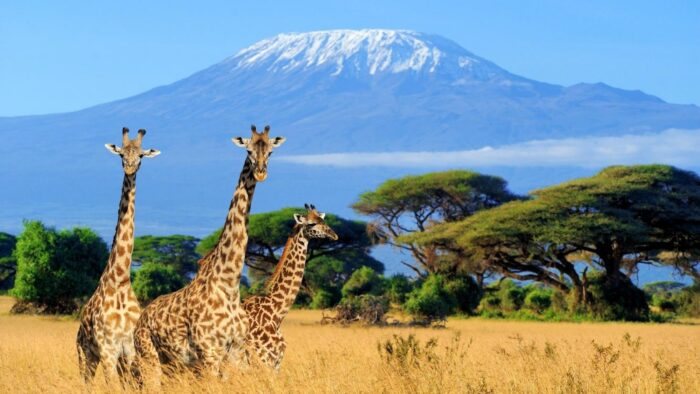
Tanzania’s appeal as a premier safari destination – anchored by attractions such as the Serengeti National Park, Ngorongoro Conservation Area and Mount Kilimanjaro—continues to draw tourists from Europe, North America and emerging Asian markets.
The government has also been investing in tourism infrastructure, including airport upgrades, improved road access to national parks and expansion of hospitality facilities.
Import growth remains moderate
While exports expanded rapidly, imports grew at a slower pace of 6.7 percent, reaching US$ 17.21 billion during the same period.
Much of the increase was linked to imports of machinery, transport equipment and industrial materials required for Tanzania’s ongoing infrastructure and construction boom. Major projects – including the Standard Gauge Railway (SGR) and the Julius Nyerere Hydropower Project (JNHPP) – have increased demand for capital goods and specialised equipment.
However, the import bill was partly moderated by declining global prices for refined petroleum products, which reduced Tanzania’s fuel import costs.
Foreign reserves remain stable
The improved trade balance has also helped strengthen Tanzania’s external buffers. By January 2026, foreign exchange reserves stood at approximately US$ 6.3 billion, providing about 4.8 months of import cover.
This level remains comfortably above the country’s benchmark of four months and meets the regional convergence criteria set by the East African Community. Economists say the combination of stronger exports, stable reserves and controlled import growth indicates that Tanzania’s external sector is gradually becoming more balanced. If the current momentum in minerals, tourism and agriculture continues, the country could further narrow its current account deficit in the coming years while strengthening its position in regional and global trade.