By Business Insider Reporter
Tanzania stands to secure a major trade and logistics boost following Uganda’s plan to link its new railway line to Tanzania’s rail network, creating a fresh export corridor for minerals such as gold, copper and iron ore through the Port of Dar es Salaam.
According to a Ugandan Ministry of Works and Transport document seen by Reuters, the proposed railway would connect mineral-rich regions in southern and south-western Uganda to Tanzania’s system, providing direct access to Dar es Salaam.
The line is expected to run from the Tanzania border through key production areas before terminating at Mpondwe on the Democratic Republic of Congo (DRC) frontier.
Strategic boost for Dar es Salaam
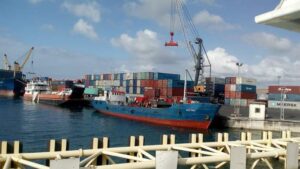
For Tanzania, the decision represents a strategic opportunity to consolidate the Port of Dar es Salaam as a dominant regional gateway for bulk mineral exports.
Currently, most of Uganda’s commodity exports transit through Kenya’s Port of Mombasa. A functional rail link to Dar es Salaam would diversify Uganda’s export routes while significantly increasing cargo volumes handled in Tanzania.
Higher mineral throughput would translate into:
- Increased port handling revenues
- Higher railway freight earnings
- Growth in logistics, warehousing and clearing services
- Expanded government tax and foreign exchange inflows
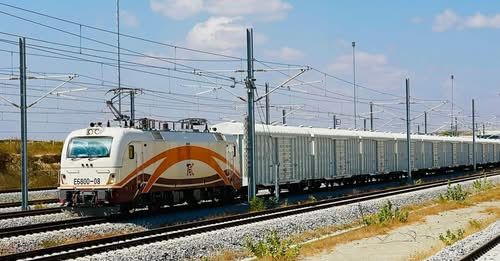
With Tanzania investing heavily in the modernisation of its Standard Gauge Railway (SGR), the additional cargo base would improve utilisation rates and accelerate returns on infrastructure spending.
Strengthening Tanzania’s regional logistics dominance
The proposed corridor reinforces Tanzania’s ambition to become the preferred trade and transit hub for the Great Lakes region. Uganda’s mineral output – alongside potential future linkage by the DRC – could anchor Dar es Salaam as the primary export outlet for Central Africa’s mineral belt.
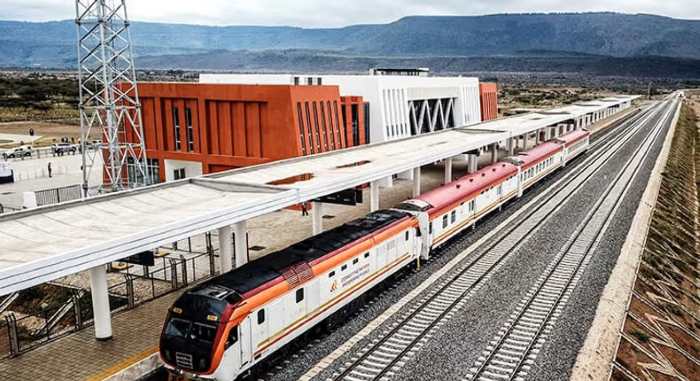
The Ugandan document states that the project’s main objective is to connect mineral-rich areas of both Uganda and Tanzania to Dar es Salaam while reducing transport time and costs. Lower logistics costs could make the corridor more competitive compared with the northern route via Kenya.
For Tanzania, this enhances its bargaining power in regional trade integration under the East African Community (EAC) framework and positions it as a logistics partner of choice for landlocked economies.
Potential AfDB backing
The African Development Bank (AfDB) has confirmed it is considering financing preparatory activities for the project. According to bank official Epifanio Carvalho de Melo, funding would depend on feasibility outcomes and the project’s bankability.
If financing is secured and the line proceeds, Tanzania would benefit not only from increased cargo flows but also from:
Cross-border infrastructure integration
- Expanded bilateral trade with Uganda
- Industrial spillovers in transport, engineering and construction
- Greater investor confidence in regional connectivity projects
- Wider economic implications
Beyond minerals, the rail link could stimulate two-way trade in manufactured goods, agricultural produce and fuel. Tanzanian exporters would gain improved access to Ugandan and eastern DRC markets, while transit trade could deepen financial, insurance and logistics sector growth in Dar es Salaam.
The project also aligns with Tanzania’s long-term infrastructure-driven growth strategy, where rail, ports and energy projects are designed to attract regional transit traffic. Should Uganda proceed with the connection, Dar es Salaam could emerge as a central artery for mineral exports from Uganda and potentially the DRC – reshaping trade flows in East and Central Africa and delivering sustained economic dividends for Tanzania.