

By Business Insider Reporter
Tanzania is making steady progress in preparing for the age of artificial intelligence (AI), according to the latest AI readiness assessment conducted under UNESCO’s global framework.
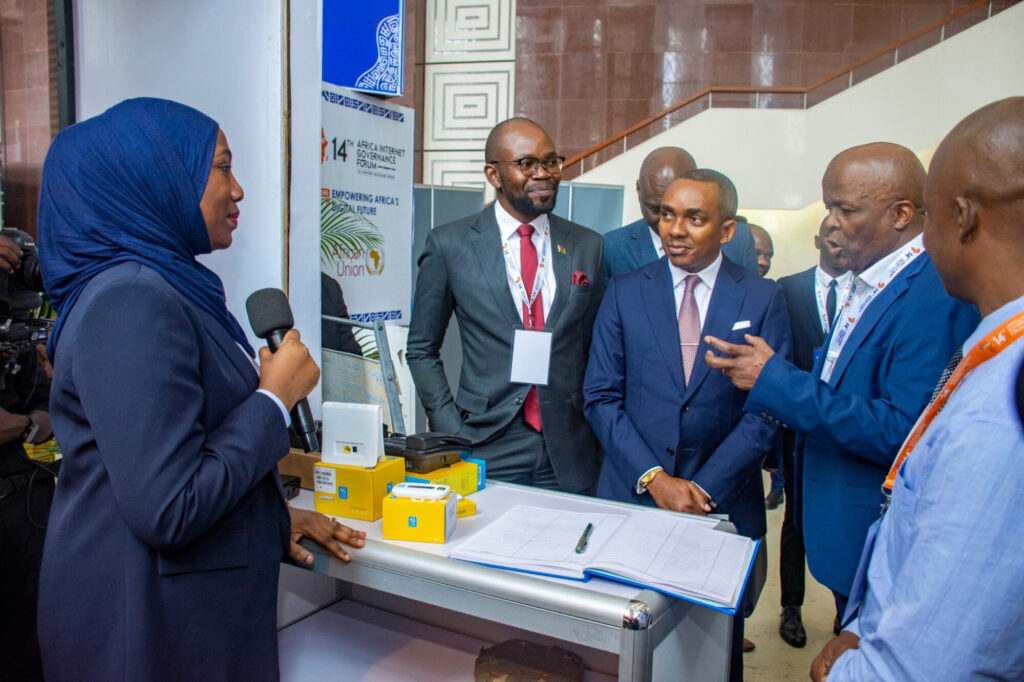
The report, launched at the 2025 Africa Internet Governance Forum (AfIGF) in Dar es Salaam, reveals both encouraging strides and urgent gaps as the country navigates the digital revolution.
Held under the UNESCO Readiness Assessment Methodology (RAM), national consultations in Dar es Salaam and Zanzibar earlier this year brought together policymakers, tech leaders, academics, and civil society to assess Tanzania’s capacity to harness AI in an inclusive, ethical, and sustainable way.
Moderate progress, clear priorities
The report scores Tanzania moderately on several fronts, with a total readiness score of 35.08 out of 100 – ranking 139th globally according to the Oxford Insights 2024 AI Readiness Index.
While the country shows commitment at the policy level, particularly with the 2022 Personal Data Protection Act and the formation of a national Data Protection Commission, implementation challenges remain.
Government readiness scored 36.6, showing political will and early investments in digital governance. However, the country’s tech sector maturity lags with a score of just 21.0, underscoring a need for stronger support for innovation hubs, research and development, and venture capital.
The strongest performance came in infrastructure and data, with a score of 47.6 – reflecting expanding broadband coverage and ongoing efforts to improve digital infrastructure, though rural areas still face significant connectivity issues.
Human capital still a bottleneck
A major obstacle to AI adoption in Tanzania remains the shortage of skilled talent. The AI Talent Readiness Index placed Tanzania 17th in Africa, with particularly low scores in digital skills (19.2).
While coding hubs and training programmes are emerging in urban centres like Dar es Salaam, experts say more investment in STEM education and vocational training is essential to meet the growing demand for AI-literate professionals.
Despite its challenges, Tanzania is emerging as a committed player in the African digital landscape.
The government has aligned its national AI strategies with the African Union’s digital transformation agenda and UNESCO’s ethical framework for AI, which emphasizes human rights, data privacy, and inclusivity.
Going forward
“Tanzania has a unique opportunity to shape a human-centred AI future,” said a UNESCO official at the AfIGF launch that was held in late May this year. “The work being done here can be a model for other nations that are looking to build not only smart technologies, but just and equitable societies.”
With momentum building and international support growing, Tanzania’s journey into the AI era appears to be gaining focus – though experts caution that sustained investment, cross-sector collaboration, and community inclusion will be critical to ensure no one is left behind.
“This is not just about tech,” said one participant at the forum, whose opening was graced by the Minister of Communication and Information Technology, Jerry Silaa. “It’s about people, power, and potential.”
In his remarks, Minister Silaa outlined Tanzania’s digital transformation efforts, highlighting initiatives such as the Digital Economy Strategy 2024, Jamii Namba (digital ID), Jamii Malipo (interoperable payments), and Jamii Exchange (data sharing framework). He said hosting the forum was “clear evidence and continuation of our commitment to bring development not only to our citizens but to the African community and the world at large.”