
By Business Insider Reporter
Tanzania is strengthening its position as a regional leader in climate and environmental action, securing substantial international funding to support projects across both Mainland Tanzania and Zanzibar.
The government has tapped into multiple global climate finance windows – including the Global Environment Facility (GEF), the Green Climate Fund (GCF), the World Bank and the African Development Bank (AfDB) – to fund initiatives focused on environmental protection, climate resilience and sustainable livelihoods.
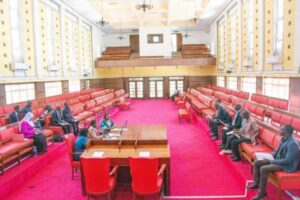
Speaking in the National Assembly this week, Deputy Minister in the Vice President’s Office (Union and Environment), Dr. Festo Dugange, said that between 2020 and 2025 Tanzania successfully implemented and completed 10 climate and environmental projects valued at Sh97.6 billion.
“These projects have been implemented on both sides of the Union and are delivering tangible economic and environmental benefits,” Dr Dugange told MPs.
From conservation to income generation
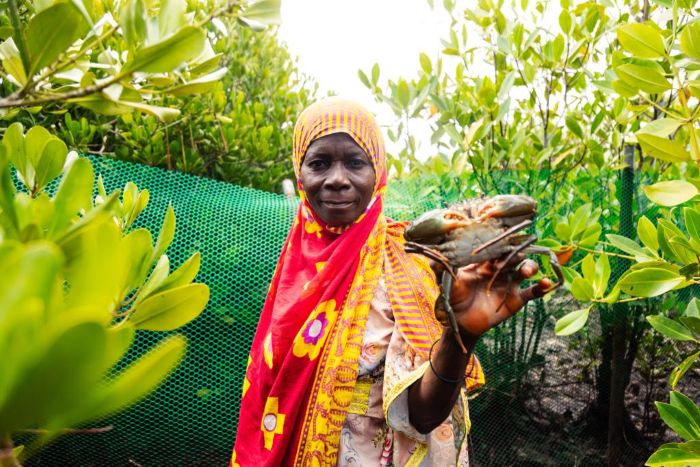
According to the deputy minister, the projects go beyond conservation, directly supporting communities through alternative livelihood programmes designed to boost household incomes while protecting natural ecosystems.
“The implementation of these projects has benefited communities by increasing household income through alternative livelihood activities and by building local capacity for environmental conservation and climate resilience,” he said.
Dr. Dugange added that three additional projects, valued at TSh62.6 billion, are currently at the initial preparation stage and are expected to further expand Tanzania’s climate investment pipeline once approved.
Climate finance and economic growth
The funding, he noted, aligns closely with the government’s broader a, which positions environmental sustainability as a driver of inclusive growth rather than a competing priority.
“These initiatives contribute not only to environmental protection but also to economic growth and sustainable development, in line with the government’s priorities,” Dr Dugange said.
He was responding to a question from Mtambwe MP Rashid Habib Ali (ACT-Wazalendo), who sought clarification on how Zanzibar benefits from internationally financed environmental programmes.
Anchored in Dira 2050
Dr. Dugange emphasised that climate resilience is embedded in Tanzania’s long-term development planning, describing environmental protection as a core pillar of the Tanzania Development Vision 2050.
He also highlighted President Samia Suluhu Hassan’s leadership in advancing climate and environmental initiatives, including the government’s flagship Green Agenda 27 programme, which aims to integrate sustainability across sectors. As global climate finance increasingly favours countries with clear policy frameworks and bankable projects, Tanzania’s growing portfolio signals rising confidence among international financiers – and positions the country to leverage climate action as a catalyst for long-term economic resilience.