By Business Insider Reporter
Somalia’s planned entry into offshore oil drilling marks a potentially transformative moment not only for its domestic economy but also for the competitive dynamics shaping East Africa’s emerging oil and gas industry – where major infrastructure projects such as the East African Crude Oil Pipeline are positioning the region as a future energy hub.
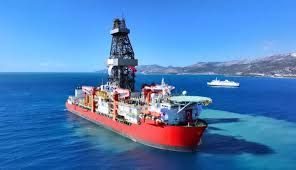
The Somali government has confirmed that its first deepwater drilling campaign will commence following the arrival of a Turkish-operated drilling vessel, signalling a transition from seismic exploration to actual resource testing.
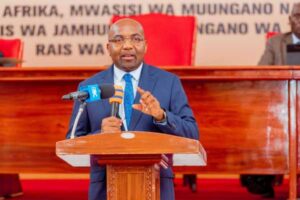
The development, described by Petroleum Minister Dahir Shire as a “historic milestone,” could unlock previously untapped offshore reserves in the Arabian Sea.
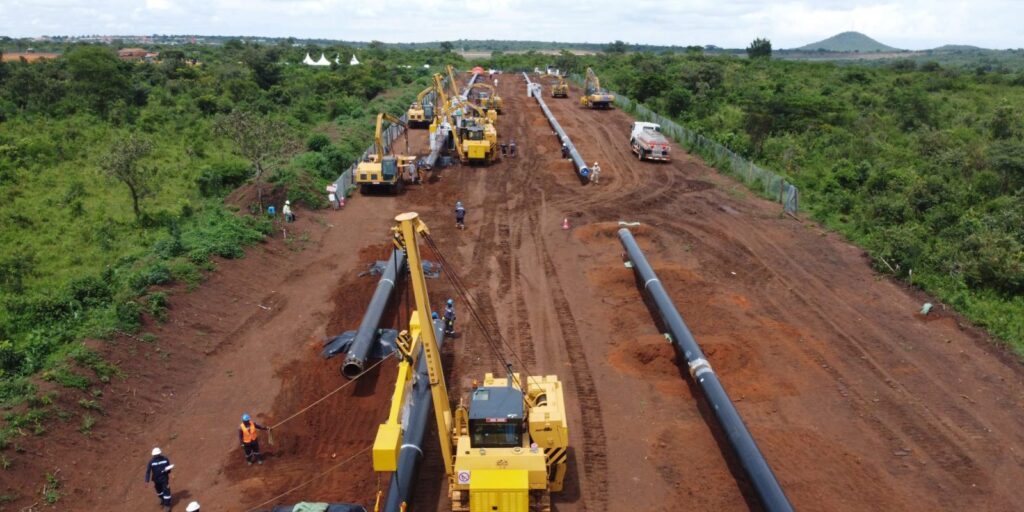
For East Africa, the implications extend far beyond Somalia’s borders. The region is already undergoing a structural shift driven by large-scale hydrocarbon projects, most notably the Uganda–Tanzania crude export route anchored by EACOP, which is designed to transport oil from Uganda’s Lake Albert basin to the Tanzanian port of Tanga for international markets.
Somalia’s offshore ambitions introduce a new variable into this equation.
A new frontier in regional oil supply
If commercially viable reserves are confirmed, Somalia could emerge as a parallel oil-producing frontier, potentially altering supply dynamics across the region.
Unlike Uganda’s landlocked reserves – which rely heavily on pipeline infrastructure such as EACOP – Somalia’s offshore resources could offer direct maritime export routes, potentially lowering transportation costs and accelerating time-to-market.
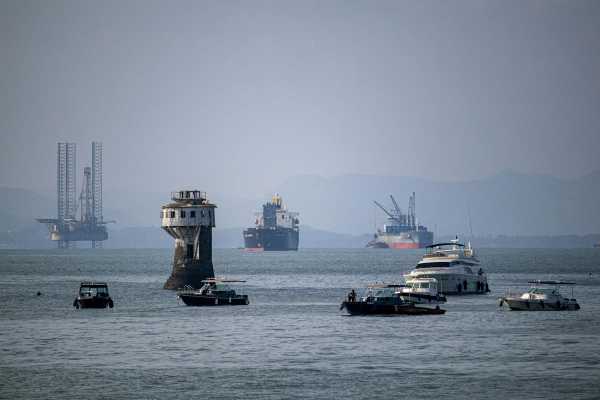
This distinction is significant. EACOP, backed by stakeholders including TotalEnergies and China National Offshore Oil Corporation, represents one of the largest energy infrastructure investments in East Africa, with a strategic focus on enabling crude exports through a controlled, long-haul pipeline system. Somalia’s offshore model, if successful, could introduce a competing export architecture centred on offshore terminals and floating production systems.
Investment competition and capital allocation
The entry of Somalia into the exploration phase also raises questions about capital allocation within East Africa’s oil sector. International oil companies and service providers may increasingly assess portfolio diversification across multiple East African basins, potentially redistributing investment flows.
Turkey’s deepening involvement – through the Turkish Petroleum Corporation – adds a geopolitical dimension to this shift. Ankara’s long-term engagement in Somalia, spanning infrastructure, defence, and now energy, signals a strategic bid to secure upstream assets in a region traditionally influenced by Western and Asian oil majors.
For Tanzania and Uganda, this evolving landscape underscores the importance of maintaining investor confidence in EACOP and associated upstream projects. Timely execution, regulatory stability, and cost control will be critical in ensuring that EACOP retains its competitive edge as a viable export corridor.
Regional integration or fragmentation?
From a policy perspective, Somalia’s move could either strengthen or fragment East Africa’s energy integration agenda. On one hand, increased hydrocarbon discoveries across multiple countries could position the region as a significant global supplier, enhancing bargaining power and attracting downstream investments such as refineries and petrochemical industries.
On the other hand, uncoordinated development paths may lead to fragmented infrastructure, duplicative investments, and intra-regional competition for export markets.
Energy analysts argue that institutions such as the East African Community could play a more proactive role in harmonising energy strategies, ensuring that emerging producers – including Somalia – complement rather than compete with existing projects like EACOP.
Implications for tanzania’s energy ambitions
For Tanzania, which hosts the export terminal for EACOP in Tanga, Somalia’s offshore push reinforces the urgency of consolidating its position as a regional energy gateway.
Beyond crude oil, Tanzania is also advancing its liquefied natural gas (LNG) agenda, aiming to monetise its substantial offshore gas reserves.
The success of EACOP is therefore not only about transporting Ugandan crude but also about anchoring Tanzania’s broader ambition to become a logistics and processing hub for East Africa’s energy resources.
Outlook
While Somalia’s offshore drilling remains at an early exploratory stage, its potential success could reshape East Africa’s oil map. For now, EACOP remains the region’s most advanced and bankable project, but the emergence of new players underscores a shifting landscape where speed, scale, and strategic partnerships will determine long-term competitiveness. As East Africa moves closer to becoming a recognised hydrocarbon province, the interplay between pipeline-based exports and offshore production models will define the next phase of the region’s energy evolution.