By Business Insider Reporter
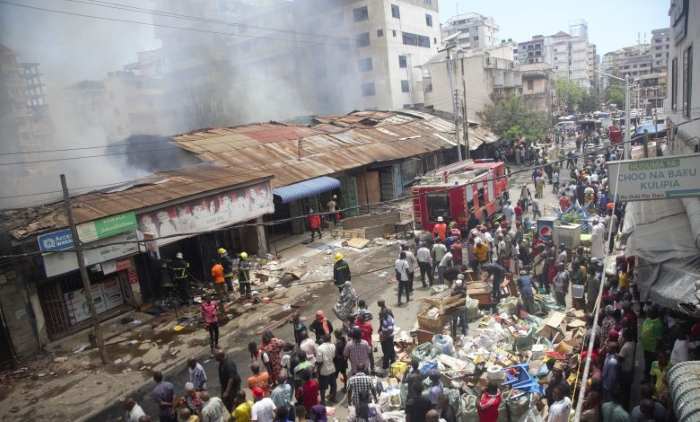
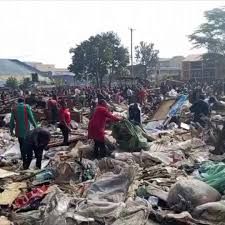
The fire that tore through Simu 2000 market in Ubungo on April 4 has left behind more than charred timber and twisted iron sheets – it has exposed a deep economic shock affecting both hundreds of small traders and the fiscal base of the Ubungo Municipal Council.
Preliminary estimates indicate that more than 500 stalls were destroyed in the blaze, wiping out millions of shillings in stock, working capital, and informal credit tied to the market’s daily operations. While no fatalities were reported, the financial consequences are severe and far-reaching.
Direct financial losses for traders
For traders, the fire represents a near-total erosion of capital. Most operated on thin margins, with stock financed through microloans, supplier credit, or rotating savings groups. With goods ranging from electronics accessories to cosmetics and household items, the average trader is estimated to have lost between TSh 2 million and TSh 10 million in inventory alone.
Beyond stock losses, traders have also lost:
- Fixed investments in stall construction and fittings
- Daily cash flow, which sustains household consumption
- Creditworthiness, as many now face loan defaults without collateral recovery
The destruction effectively resets many micro-enterprises to zero, with limited insurance penetration compounding vulnerability. For informal traders, who dominate markets such as Simu 2000, risk mitigation mechanisms remain largely absent.
Municipal revenue and economic spillovers
The financial impact extends beyond individual traders to the Ubungo Municipal Council, which derives consistent own-source revenue from market levies, licensing fees, and service charges.
With over 500 stalls lost, the municipality faces:
- Immediate revenue shortfalls from daily market fees
- Disruptions in local economic activity, affecting surrounding transport, food vending, and logistics services
- Additional unplanned expenditure, including debris clearance, security deployment, and eventual reconstruction
Markets such as Simu 2000 function as microeconomic hubs. Their disruption triggers knock-on effects across supply chains – from wholesalers to last-mile vendors – undermining localised economic stability.

Asset destruction and infrastructure deficit
The scale of loss has also highlighted structural vulnerabilities in market infrastructure. The predominance of wooden stalls, limited spacing, and lack of firebreaks accelerated the spread of the blaze, effectively amplifying the financial damage.
Fire authorities noted that the absence of basic risk controls – such as accessible water points, extinguishers, and regulated layouts – turned what might have been a contained incident into a full-scale economic disaster.
Relocation dispute and investment risk
The incident comes amid a protracted dispute over the planned relocation of traders to pave the way for a Dar Rapid Transit (DART) depot under a World Bank-supported urban transport project.
For traders, the fire compounds an already uncertain investment environment:
- Many had sunk capital into stalls despite looming relocation
- Repeated displacement threats since 2014 had already eroded confidence
- The fire now introduces heightened perception of political and project risk
Speculation around arson – though unproven – reflects deeper mistrust between traders and authorities, particularly where infrastructure development intersects with informal economic spaces.
Household-level economic shock
At the household level, the losses translate into immediate socio-economic strain:
- Loss of daily income streams, often the sole source of livelihood
- Increased risk of loan defaults and asset seizures
- Potential withdrawal of children from school and reduced access to healthcare
In the absence of structured compensation or insurance, recovery will largely depend on informal support networks and possible government intervention.
Recurring pattern and systemic cost
The Simu 2000 fire mirrors previous market disasters, including those at Kawe and Kariakoo Market, where billions of shillings in economic value were lost.
Following the 2021 Kariakoo fire, the government committed approximately TSh 28 billion for reconstruction – highlighting the fiscal burden such incidents impose on the state.
The recurrence of such fires suggests a systemic issue:
- Underinvestment in resilient market infrastructure
- Weak enforcement of safety standards
- Limited integration of informal markets into formal urban planning
- Recovery and Policy Implications
Authorities have pledged support, but the scale of losses raises critical policy questions. Immediate priorities include:
- Temporary trading spaces to restore income flows
- Financial relief mechanisms, including soft loans or grants
- Accelerated investment in modern, fire-resistant market infrastructure
In the medium term, the incident underscores the urgency of aligning urban development projects with inclusive economic planning – ensuring that infrastructure expansion does not inadvertently deepen vulnerability among small-scale traders.
Looking ahead
As investigations into the cause of the fire continue, the economic reality is already clear: Simu 2000’s destruction represents not just a physical loss, but a significant setback to livelihoods, municipal revenue, and confidence in informal sector resilience. For policymakers, the challenge lies in turning this loss into a catalyst for reform – strengthening market infrastructure, formalising risk management, and safeguarding the economic backbone of Tanzania’s urban economy.