By Business Insider Reporter
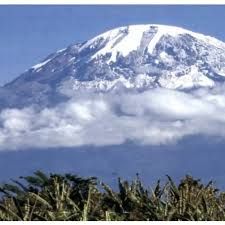
A remarkable recovery of ice cover on Mount Kilimanjaro is emerging as more than an environmental milestone – it is increasingly being viewed as a strategic economic asset for Tanzania’s tourism sector and a case study in the commercial value of conservation-led growth.
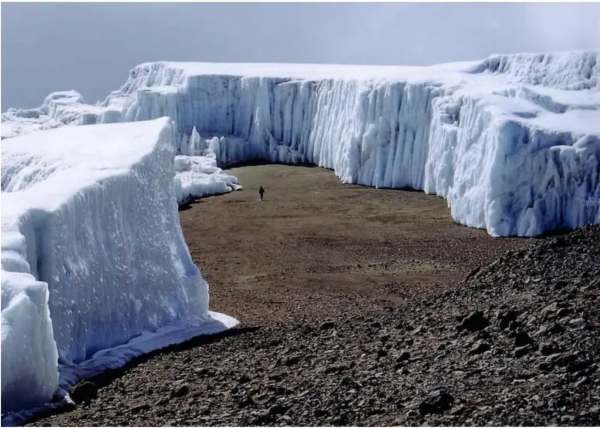
New data released by Kilimanjaro National Park (Kinapa) shows that the mountain’s ice cap has expanded from 2.2 square kilometres in 2000 to 5.92 square kilometres today, nearly tripling after decades of decline linked to climate change and ecosystem degradation.
The turnaround, driven largely by sustained reforestation and environmental protection campaigns led by Tanzania National Parks Authority, is reshaping the narrative around one of Africa’s most iconic natural assets – and, crucially, its economic potential.
Tourism dividend from conservation
For Tanzania, where tourism remains a critical foreign exchange earner, the recovery of Kilimanjaro’s glaciers is directly reinforcing the country’s competitiveness in the global travel market.
According to park authorities, the number of climbers increased from about 60,000 in the 2023/24 season to over 69,000 in 2024/25, while revenue rose from approximately TSh95 billion to more than TSh100 billion. This upward trajectory underscores how environmental restoration can translate into tangible economic gains.
“Kilimanjaro is not just a mountain; it is a premium tourism product,” said a senior conservation official during a recent briefing in Marangu. “Protecting its ecosystem directly protects national income.”
The improved outlook for the glaciers is also expected to recalibrate global tourism behaviour. For years, Kilimanjaro has been marketed under a “last chance tourism” narrative, driven by fears of disappearing ice. The current recovery offers a more sustainable positioning—one that emphasises resilience and long-term viability rather than urgency.
From environmental risk to investment opportunity
Beyond tourism, the Kilimanjaro case is strengthening Tanzania’s credentials in climate resilience and green investment – areas increasingly prioritised by development finance institutions and impact investors.
The success of large-scale tree-planting initiatives around the mountain highlights the economic returns of ecosystem restoration, including stabilised weather patterns, improved water security, and enhanced biodiversity.
These factors have broader implications for agriculture, hydropower, and regional climate adaptation strategies.
Analysts note that such outcomes could unlock new financing streams, including carbon markets and climate funds, as Tanzania positions itself within the global green economy.
Local capacity and knowledge economy
Another notable shift is the growing role of Tanzanian researchers in climate and environmental science. Historically dominated by international experts, glacier studies on Kilimanjaro are now increasingly led by local specialists – signalling the development of domestic technical capacity.
This transition has implications for the knowledge economy, enabling Tanzania to retain expertise, drive innovation, and inform policy using locally grounded data.
Domestic tourism and market expansion
The recovery is also stimulating domestic tourism, a segment the government has been actively promoting to reduce reliance on international arrivals.
Increased participation by Tanzanians in climbing expeditions is expected to broaden the revenue base and deepen national ownership of conservation efforts.
Park authorities indicate that domestic tourism is becoming a meaningful contributor to annual earnings, aligning with broader strategies to build resilience within the sector.
Reframing Kilimanjaro’s future
For decades, projections that Kilimanjaro’s glaciers could disappear entirely shaped both scientific discourse and tourism marketing. The latest data challenges that trajectory, offering a counter-narrative grounded in active environmental management.
For policymakers and investors, the implications are clear: conservation is no longer just an environmental imperative but a commercially viable strategy with measurable returns. As Tanzania continues to invest in nature-based solutions, the Kilimanjaro experience may serve as a blueprint for linking ecological restoration with economic growth – positioning the country at the intersection of tourism, sustainability, and green finance in East Africa.