
By Business Insider Reporter
Tanzania’s fiscal performance at the end of 2025 reflected strengthening revenue mobilisation and a continued shift toward financing development priorities through domestic resources, according to recent economic data from the Bank of Tanzania.
In December 2025, the government collected TSh 4.77 trillion in total domestic revenue, surpassing its monthly target by around three percent.
The performance highlights ongoing efforts by the Tanzania Revenue Authority to modernise tax administration and improve compliance through digital platforms and tighter enforcement measures.
Tax revenue remained the backbone of government finances, accounting for TSh 4.12 trillion of the total collections. Import-related taxes and excise duties were among the strongest contributors, with import taxes alone exceeding projections by more than 11 percent.
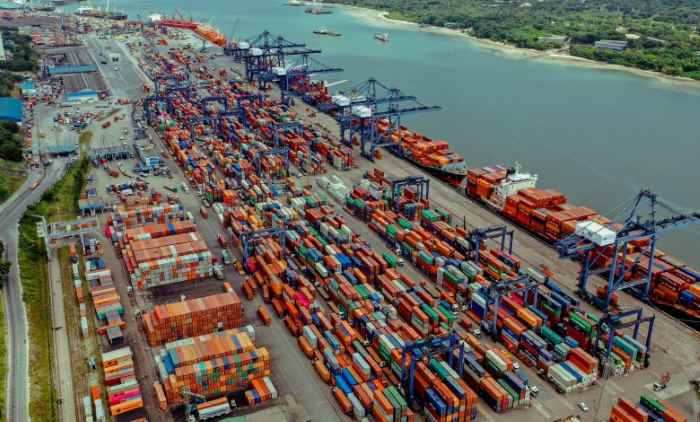
The strong performance reflects rising trade activity through Tanzania’s ports and border posts, driven by growing regional commerce and the country’s strategic role as a logistics hub for neighbouring landlocked economies.
Non-tax revenue also made a significant contribution, generating TSh 539.1 billion during the month. These revenues largely come from government service fees, regulatory charges and dividends paid by state-owned enterprises overseen by the Office of the Treasury Registrar.
On the expenditure side, the government spent TSh 4.96 trillion in December, with a substantial portion directed toward development projects aimed at supporting long-term economic growth.
Development expenditure reached TSh 2.27 trillion, reflecting the government’s continued focus on strategic investments in infrastructure, energy, transport and social services.
Major projects include expansion of the Standard Gauge Railway, construction of roads and bridges, and investments in water, health and education facilities across the country.
A notable feature of Tanzania’s fiscal strategy is the increasing reliance on domestic resources to finance development projects. According to the data, 88.5 percent of development spending in December was funded from internal revenue sources, reducing dependence on external financing and development aid.
The remaining TSh 2.69 trillion in government expenditure went toward recurrent spending, including the public sector wage bill, administrative costs and interest payments on public debt.
Despite the strong development spending, Tanzania maintained relatively prudent fiscal management. The government recorded an overall budget deficit of TSh 207.2 billion for the month, which was financed through a combination of domestic borrowing – mainly via government securities – and external concessional financing.
Economists say the growing capacity to fund development projects through domestic revenues reflects broader structural improvements in Tanzania’s fiscal management over recent years. The government has been implementing reforms aimed at expanding the tax base, strengthening digital tax systems and improving oversight of public finances – efforts that analysts say are gradually enhancing fiscal sustainability while enabling continued investment in infrastructure and economic transformation.